
Gear article
Revv G4 Red Channel Preamp Overdrive V2
The Revv G4 Red Channel Preamp Overdrive V2 is a high-gain, amp-in-a-box pedal designed to replicate the specific saturation and compression of the Generator 120 MK3 amplifier's Red channel. It is engineered for modern metal and rock applications, offering thick low-end response, smooth sustain, and a refined midrange circuit for improved clarity over its predecessor.
See live pricesOverview
The Revv G4 V2 is a high-gain preamp pedal that serves as a portable version of the 'Red Channel' found on Revv's flagship Generator 120 MK3 amplifier. Unlike the tighter, more aggressive G3 pedal, the G4 is voiced for a thicker, more saturated character that emphasizes low-end weight and singing sustain. The V2 revision specifically focuses on refining the midrange frequencies, ensuring that the pedal retains articulation and 'cut' even when the user selects a heavily scooped EQ profile.
Design and Circuitry
The pedal features a robust layout with a standard three-band EQ (Bass, Middle, Treble) alongside Gain and Volume controls. A central component of the G4's design is the three-way 'Aggression' toggle switch, which offers Off, Blue, and Red modes. These modes adjust the saturation and compression levels, allowing the pedal to transition from a cranked-amp feel to ultra-saturated modern lead tones. The V2 update incorporates feedback from professional players to ensure the midrange remains musical and defined, preventing the 'muddy' character sometimes associated with high-gain circuits.
Sound Character
The sonic signature of the G4 V2 is defined by a heavy, compressed feel that is conducive to soaring lead work and modern rhythm parts. It is known for its:
- Thick Low End: Provides the necessary weight for palm-muted riffs.
- Smooth Saturation: Offers a liquid-like sustain that assists in technical lead playing.
- Midrange Versatility: The updated circuit allows for aggressive 'scooping' while maintaining enough harmonic information to be heard in a full band mix.
- Dynamic Response: Despite the high levels of gain available, the G4 is designed to respond naturally to picking dynamics and guitar volume adjustments.
Target Audience
The Revv G4 V2 is primarily aimed at guitarists seeking modern high-gain tones without the need for a full boutique amplifier head. It is particularly suited for:
- Metal and Hard Rock Players: Those requiring thick, percussive rhythm tones.
- Lead Specialists: Players who rely on compression and sustain for fluid soloing.
- Direct-to-Interface Users: Musicians using power amp simulators or digital setups who want an analogue preamp stage at the beginning of their signal chain.
Comparison to Alternatives
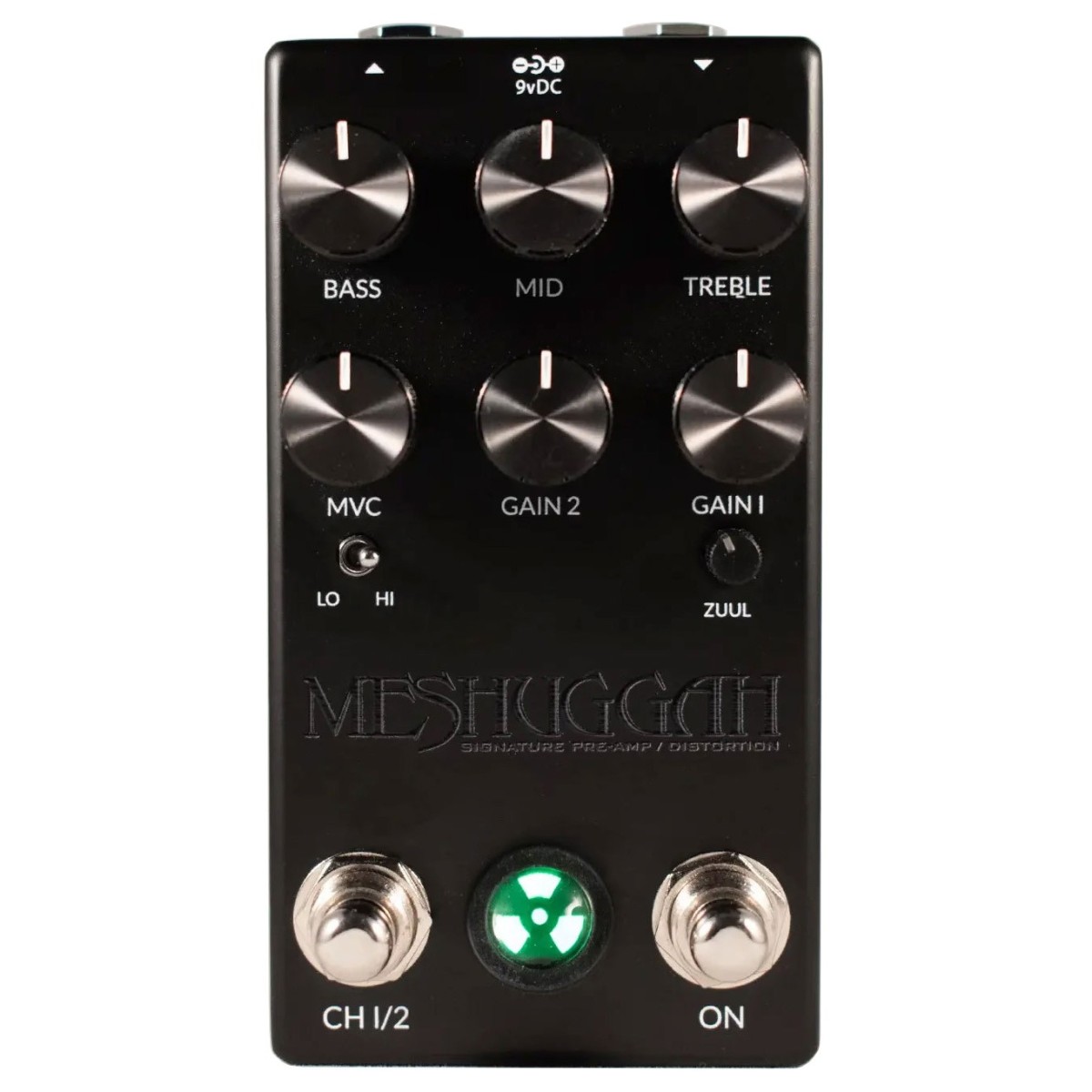
Within the Revv ecosystem, the G4 differs from the G3 by offering a 'fatter' and more saturated voice, whereas the G3 is focused on tight, percussive clarity. When compared to other boutique preamps like the Fortin Meshuggah Signature Pre-Amp, the G4 offers a more traditional three-band EQ and a smoother, less abrasive character. While pedals like the Boss BP-1W focus on boosting and light saturation, the G4 is a full-featured high-gain engine. In contrast to more utilitarian preamps like the Behringer PP400 or TritonAudio FetHead, which are designed for phono or microphone signals, the G4 is a dedicated guitar tone-shaping tool.
Related gear
 £379.00 ($481)
Fortin
Fortin Meshuggah Signature Pre-Amp Distortion
 £1,297.00 ($1,647)
Warm Audio
Warm Audio WA273-EQ 2-Channel Microphone Preamp with EQ
 £129.00 ($164)
Vox
Vox Valvenergy Tone Sculptor Tube Preamp Equalizer Pedal
 £12.60 ($16)
Behringer
Behringer PP400 Microphono Phono Preamp
 £64.99 ($83)
TritonAudio
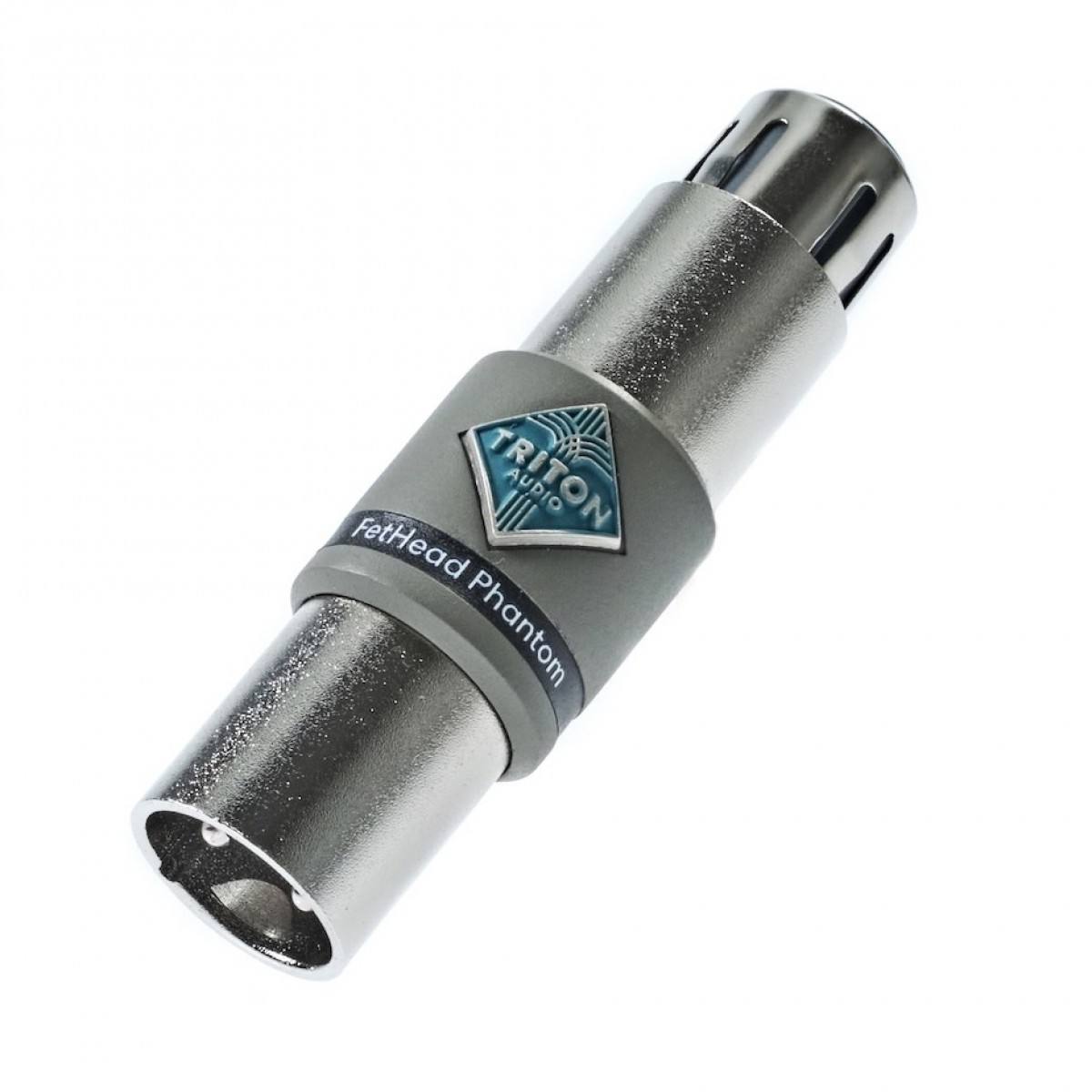
TritonAudio FetHead Phantom Preamp for Condenser Microphones
 £159.00 ($202)
Peavey
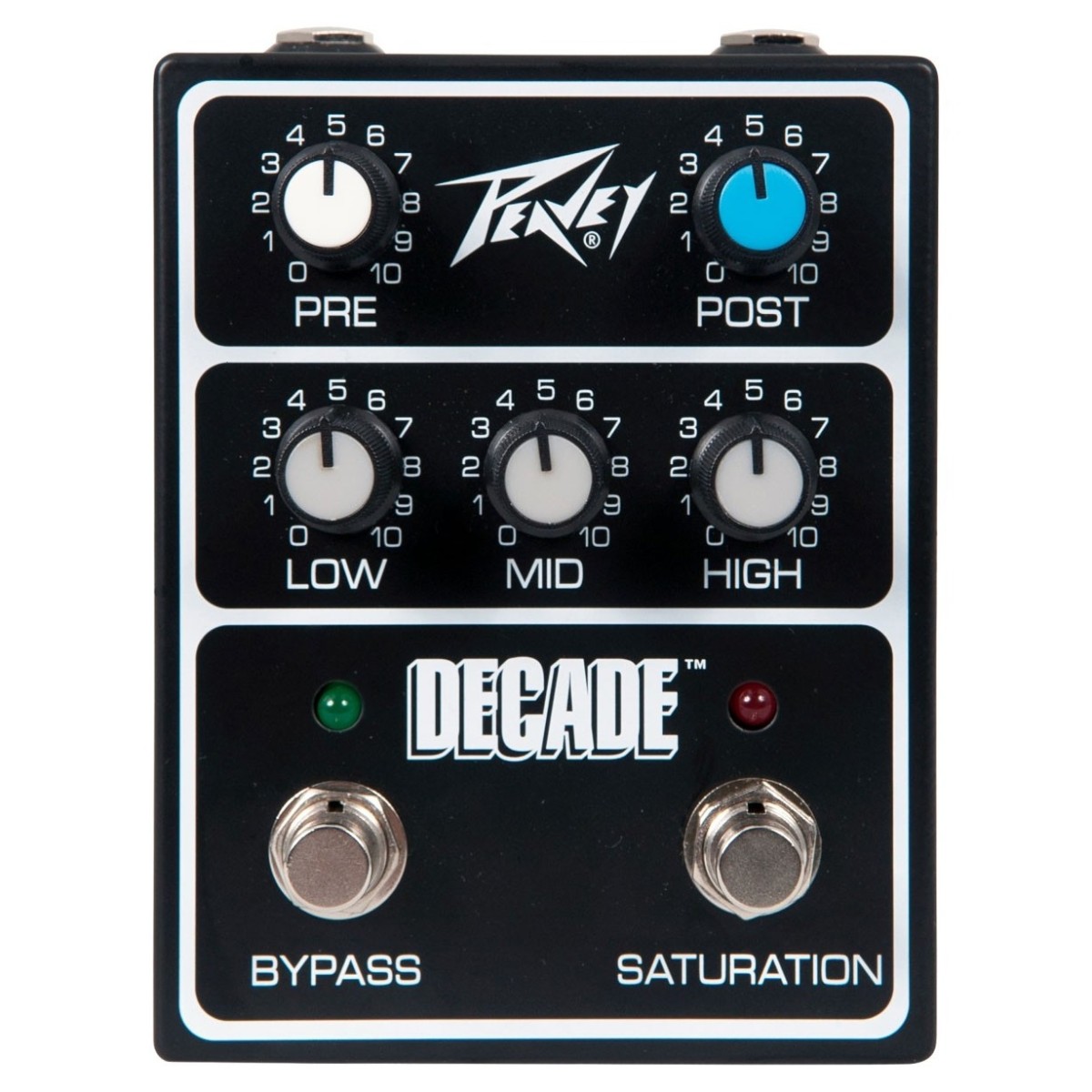
Peavey Decade Preamp Pedal
 £91.60 ($116)
sE Electronics
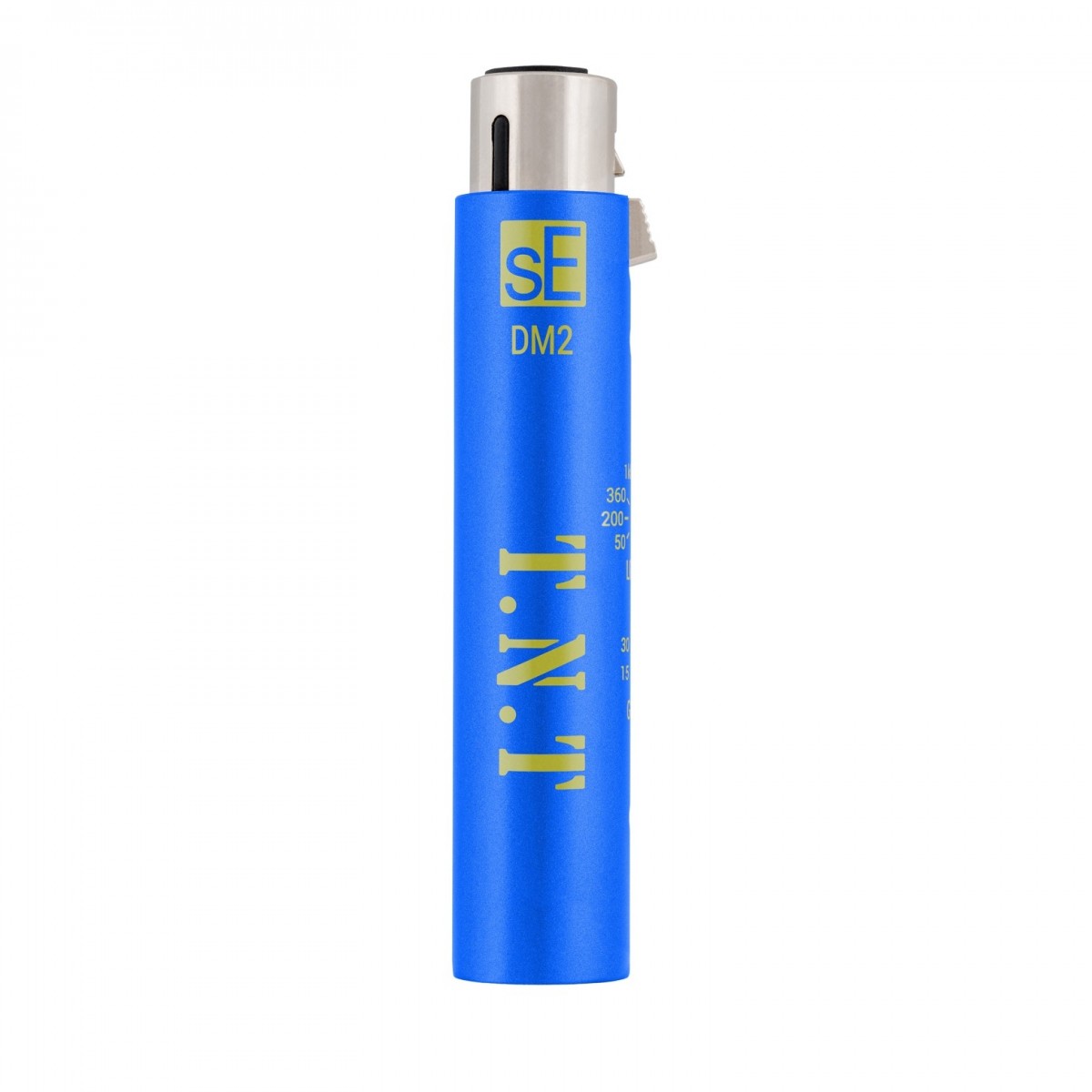
sE Electronics DM2 TNT Active Inline Preamp
 £150.00 ($191)
Boss
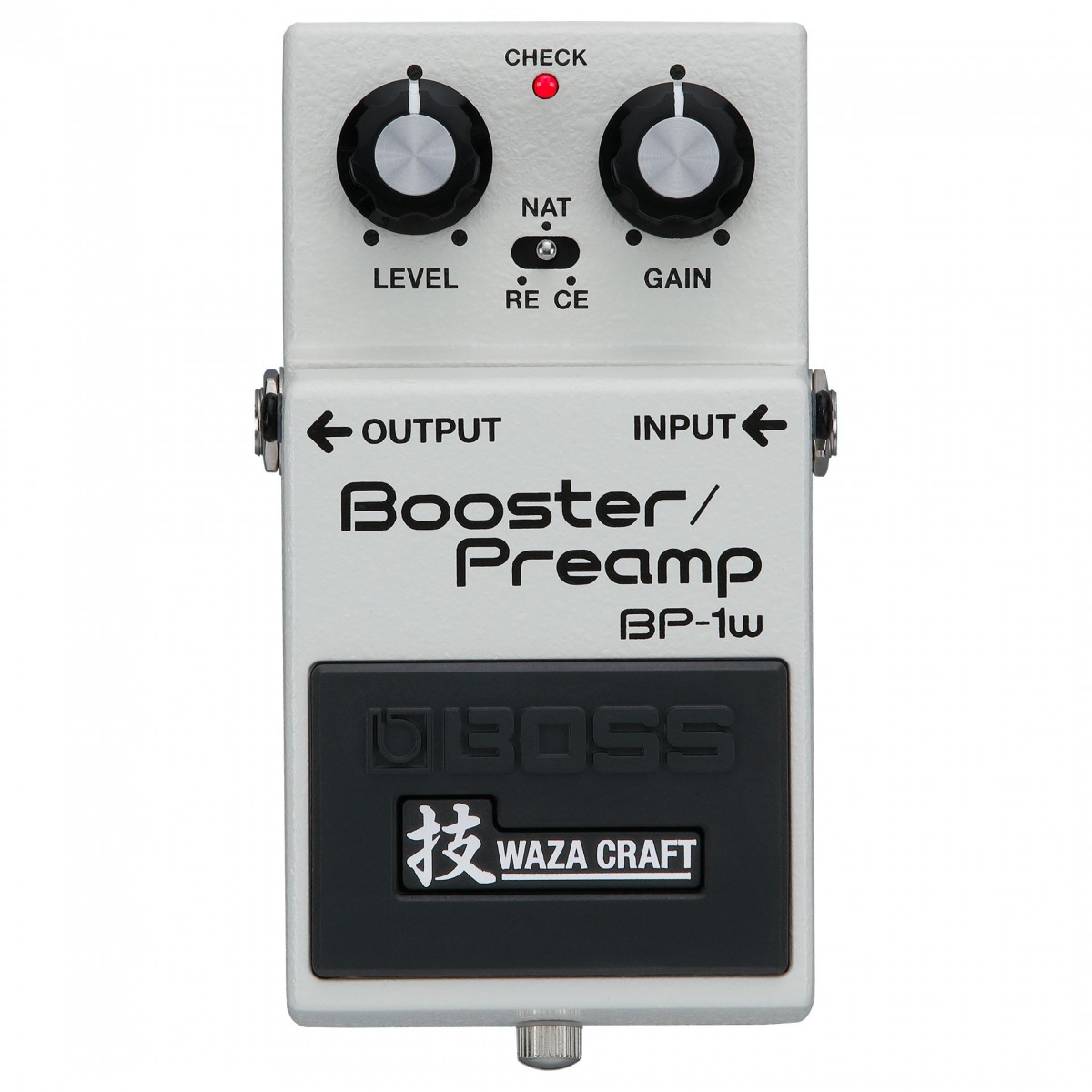
Boss BP-1W Waza Craft Booster/Preamp Pedal
Frequently asked questions
- What is the main difference between the Revv G4 V1 and V2?
- The V2 features a refined midrange circuit. This update was designed to provide extra clarity and definition, particularly when using 'scooped' EQ settings, ensuring the guitar cuts through the mix.
- Which amplifier channel is the G4 based on?
- The G4 V2 is based on the Red Channel of the Revv Generator 120 MK3 amplifier. This channel is known for its thick, high-gain, and saturated character.
- What does the Aggression switch do?
- The three-way switch offers different levels of gain and compression. The 'Off' setting is the lowest gain, while 'Blue' and 'Red' provide increasingly intense saturation and sustain for modern metal tones.
- Is the Revv G4 V2 suitable for low-gain blues tones?
- While it can clean up with the guitar's volume knob, the G4 V2 is fundamentally a high-gain preamp. It is better suited for 'cranked-amp' character and heavy saturation rather than low-gain blues.
- Can I use the G4 V2 as a standalone distortion pedal?
- Yes, it functions as a high-gain distortion pedal when placed in front of a clean amplifier channel. It also works effectively as a preamp when plugged directly into a power amp or an effects return.
- How does the G4 V2 handle palm-muted riffs?
- The pedal is specifically engineered for weighty palm-muting. Its thick low-end response and compressed feel provide the 'thump' required for modern rhythm styles.
- Does the pedal have a built-in noise gate?
- The G4 V2 does not feature a built-in noise gate. Given its high-gain nature, users may wish to pair it with an external gate if they are using extreme saturation settings.
- What power supply does the Revv G4 V2 require?
- The pedal typically requires a standard 9V DC centre-negative power supply. It is important to use a regulated supply to ensure the lowest possible noise floor for high-gain applications.
- Is the G4 V2 digital or analogue?
- The G4 V2 is an analogue preamp pedal. It uses traditional circuitry to replicate the feel and response of the vacuum tube channels found in the Generator 120 amplifier.
- How does the sustain of the G4 V2 compare to other pedals?
- The G4 V2 is noted for 'endless sustain.' Its high level of compression and smooth saturation make it easier to hold long notes compared to more transparent, lower-gain overdrive pedals.
- Can the G4 V2 be used for recording direct to a computer?
- It can be used in a recording chain, but it does not have built-in cabinet simulation. For direct recording, it should be followed by a cabinet impulse response (IR) or a speaker emulator.
- How does the 3-band EQ interact with the sound?
- The EQ is highly responsive and allows for significant tonal shaping. You can achieve 'scooped' modern metal tones by cutting the Mids, or more traditional rock tones by boosting them, while the V2 circuit maintains clarity throughout.