
Gear article
Roland Cloud Juno-106 Virtual Instrument
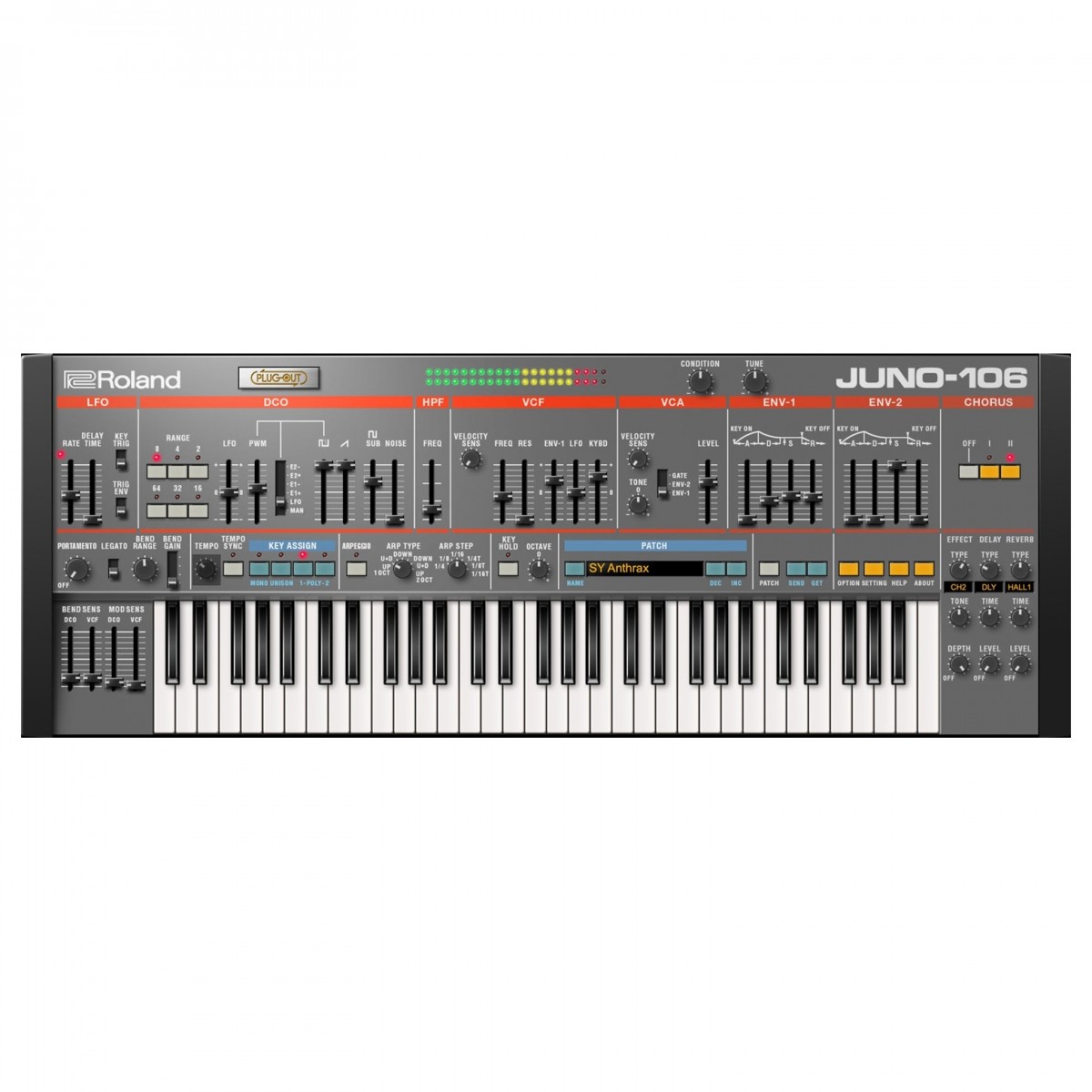
The Roland Cloud Juno-106 is a virtual synthesiser that provides a meticulous component-level recreation of the legendary 1980s Juno-106 hardware. Utilising Roland's proprietary Analog Circuit Behaviour (ACB) technology, it replicates the original's unique sound-shaping abilities, sub-oscillator, and iconic chorus effect in a digital plugin format.
Background and Development
The original Juno-106 hardware achieved legendary status following its release in the mid-1980s, becoming one of the most popular and revered synthesizers ever created. To preserve this legacy for modern workflows, Roland developed the Cloud Juno-106 Virtual Instrument. Unlike standard sampling, this plugin uses Roland's Analog Circuit Behaviour (ACB) technology to model the original hardware down to the individual component level, ensuring the digital version responds and interacts like the physical circuitry.
Key Features and Architecture
The plugin replicates the specific architecture that made the hardware famous, including its unique sound-shaping abilities and the iconic sub-oscillator. While it stays true to the original design, Roland has expanded the feature set to include modern requirements. These additions include dedicated LFO, VCF, and VCA sections, alongside a built-in arpeggiator and enhanced effects. Users can choose between a standard 6-voice mode to mirror the original hardware or expand the polyphony up to 8 voices.

Sound Character
The Juno-106 is renowned for a warm, punchy character that sits easily in a mix. A defining element of this sound is the classic built-in chorus effect, which provides significant width and depth. The ACB technology ensures that the virtual version retains the specific harmonic characteristics of the original's filters and oscillators, making it suitable for everything from deep bass lines to lush pads and lead sequences.
Comparison and Suitability
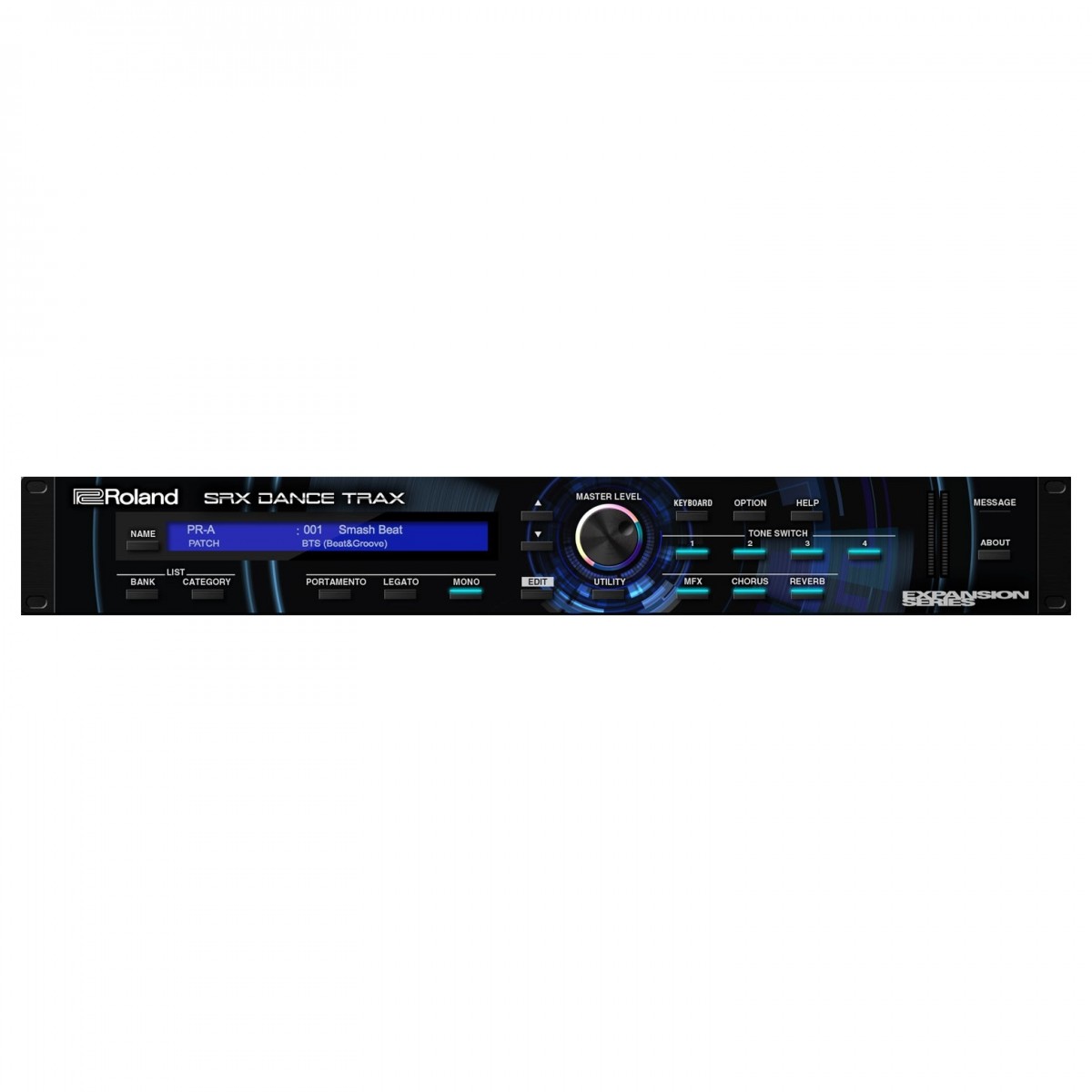
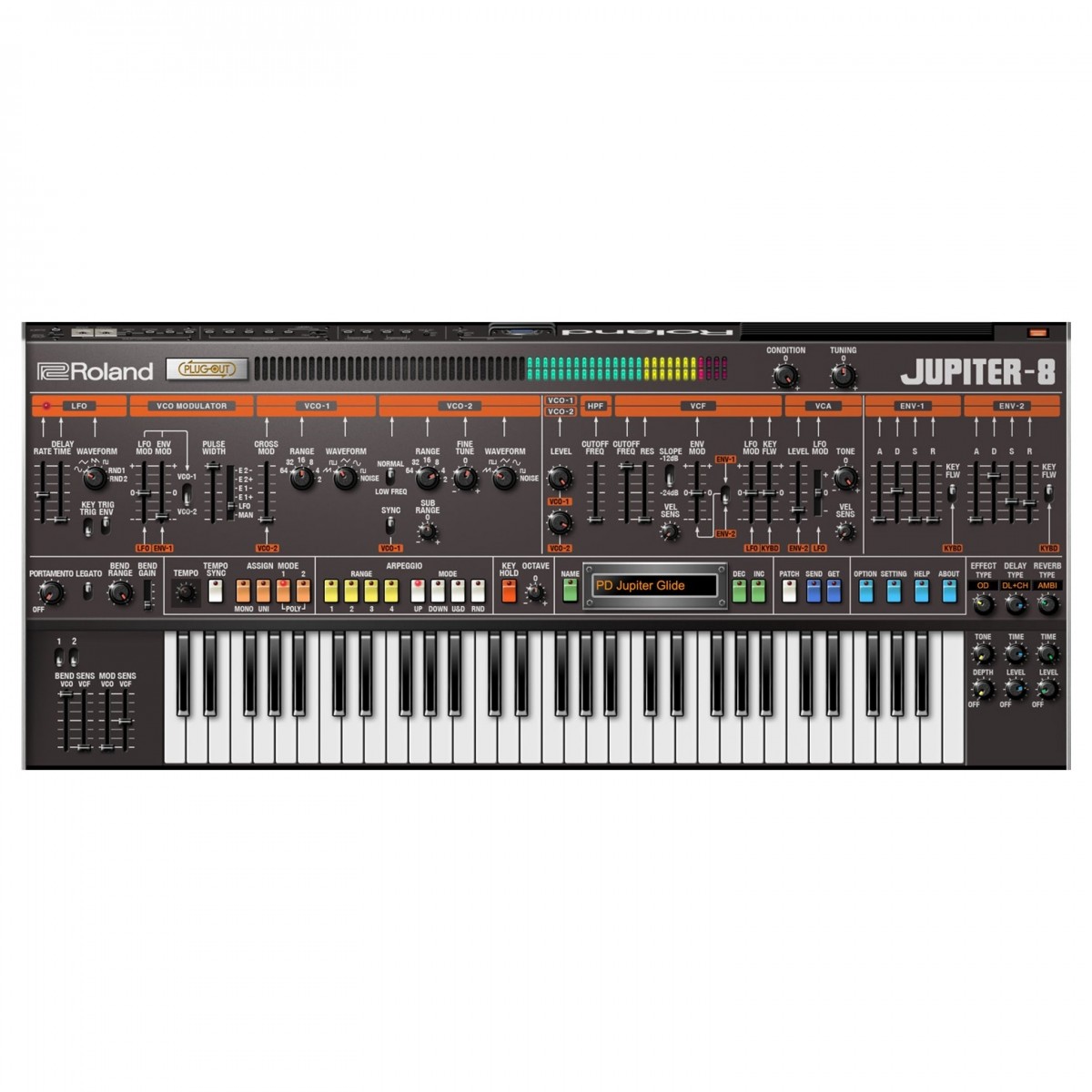
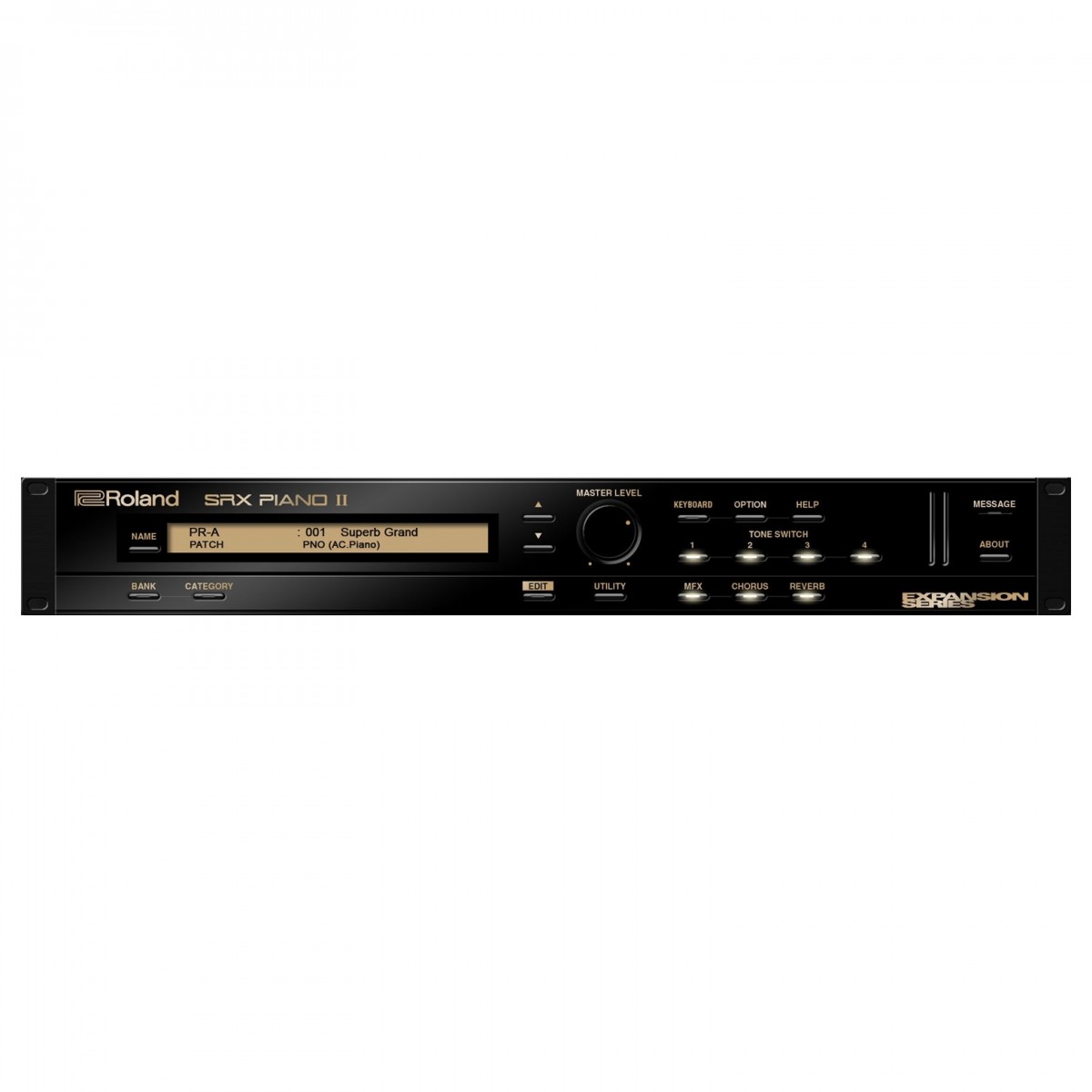
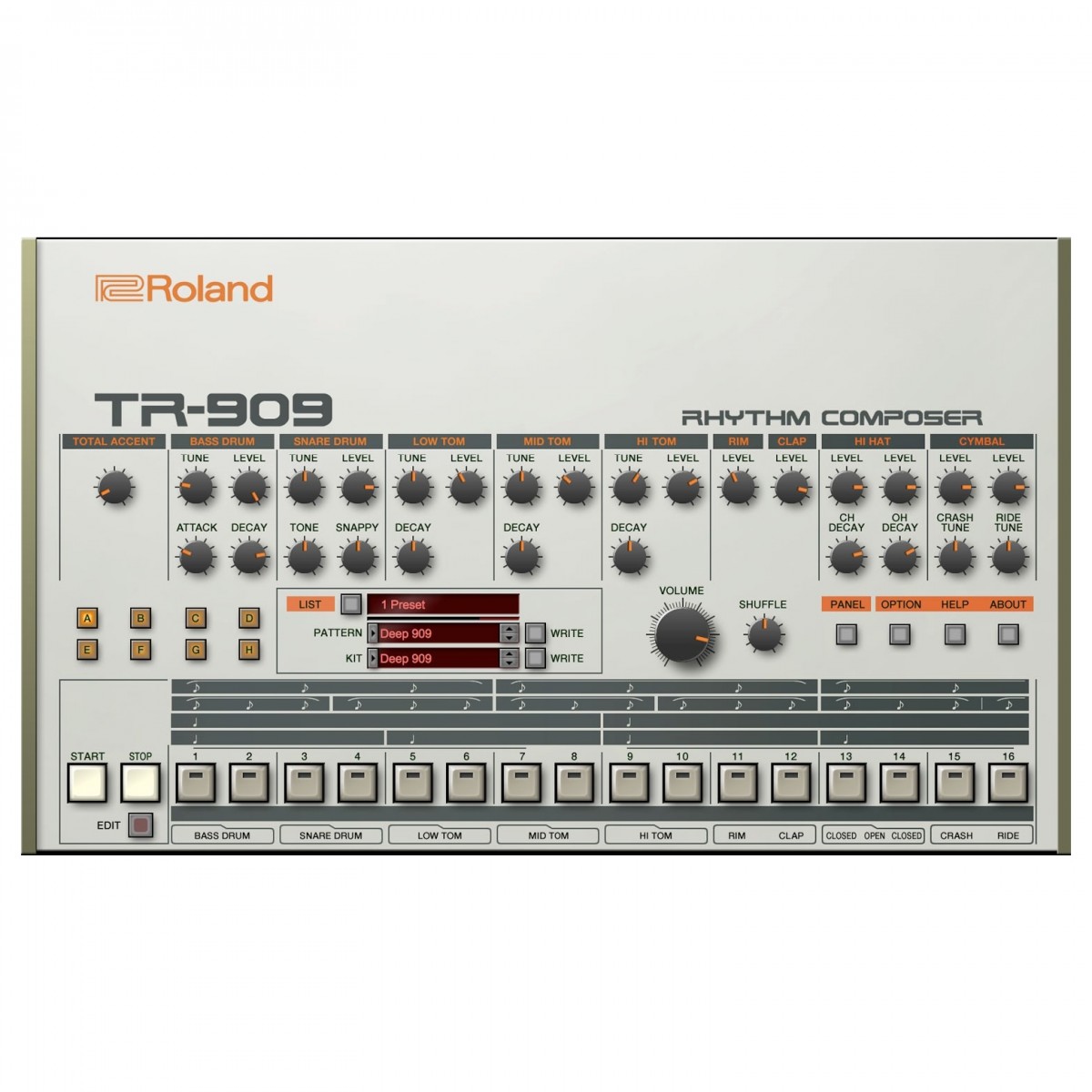
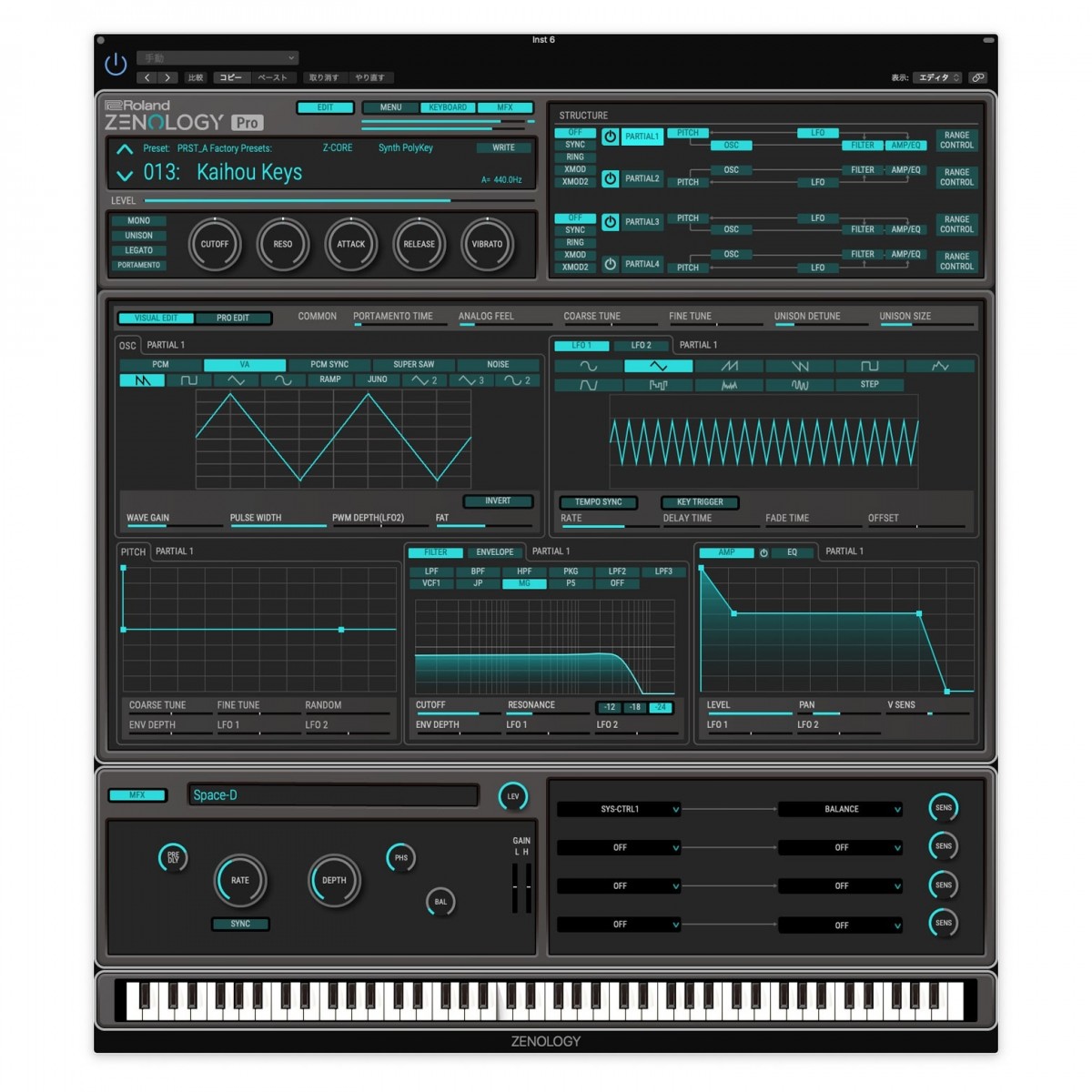
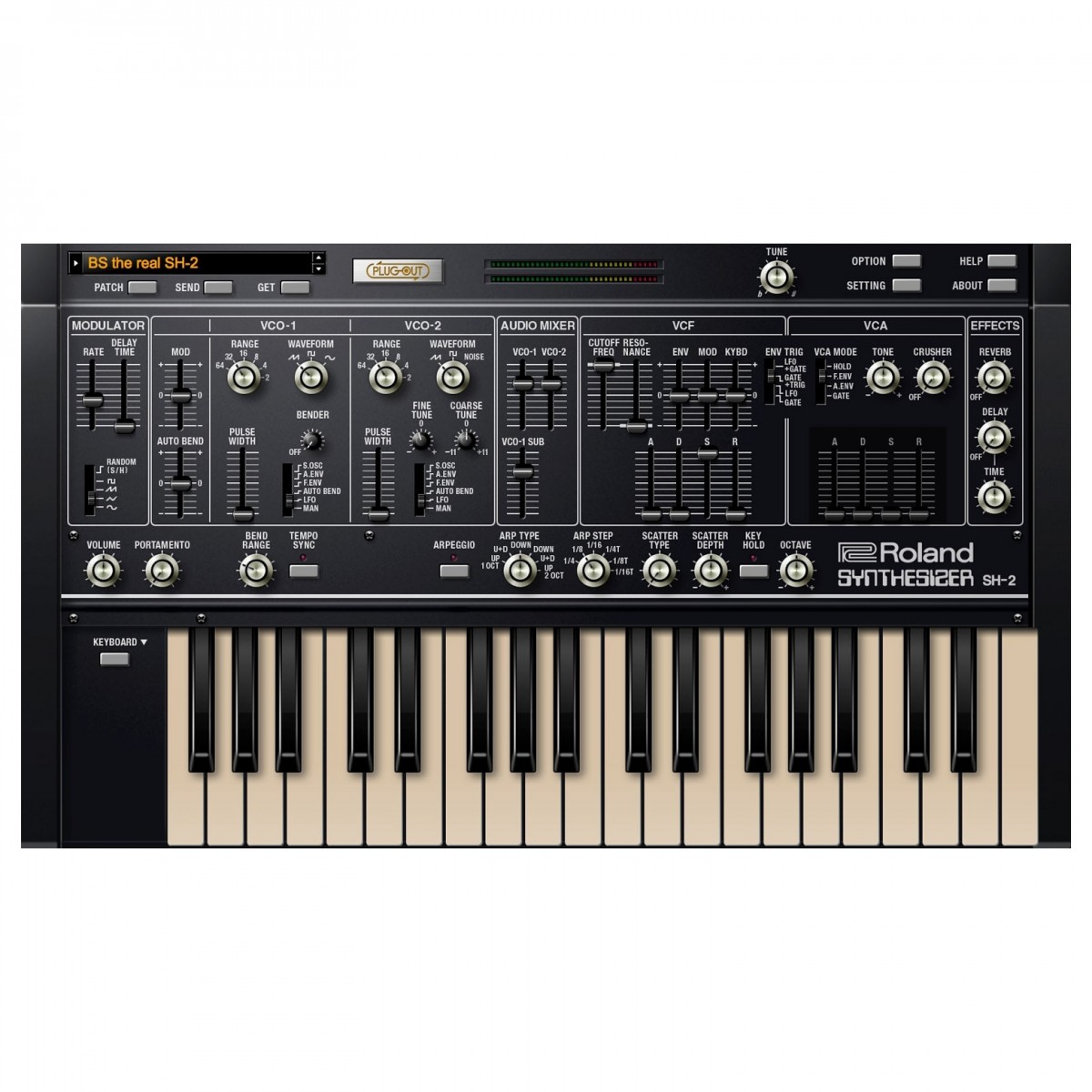
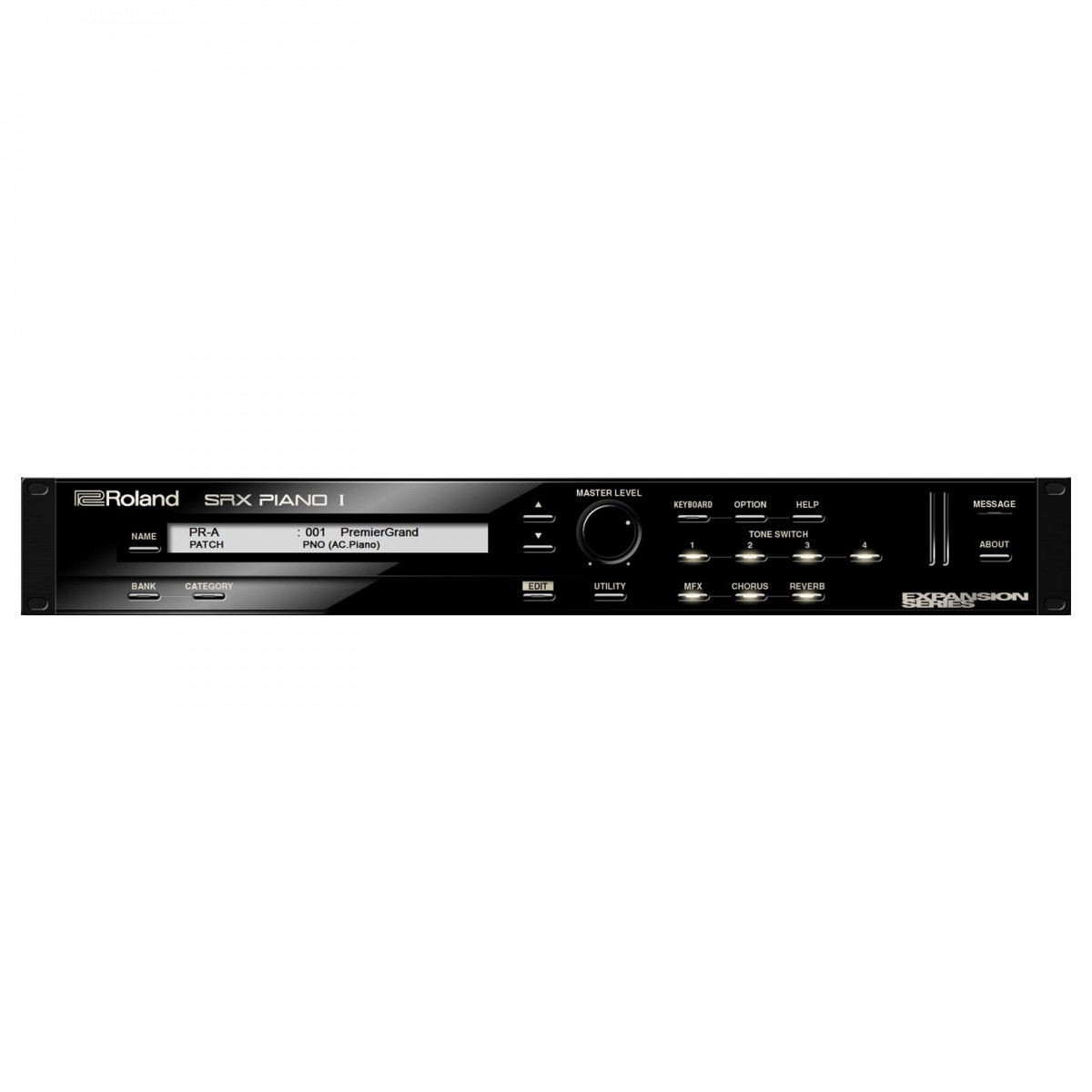
This virtual instrument is suited for producers seeking authentic 80s analog tones without the maintenance or hardware costs associated with vintage units. It has been utilised by prominent artists such as Herbert Grönemeyer. Within the Roland Cloud ecosystem, it sits alongside other ACB recreations like the Jupiter-8 and SH-2, as well as sample-based expansions such as the SRX Dance Trax and SRX Piano modules. Compared to the original hardware, the software version offers the advantage of multiple instances, automation, and stable tuning.
Artists who play it
Related gear
 £66.50 ($84)
Roland
Roland Cloud SRX Dance Trax Virtual Instrument
 £200.00 ($254)
Roland
Roland Cloud Jupiter-8 Virtual Instrument
 £66.50 ($84)
Roland
Roland Cloud SRX Piano 2 Virtual Instrument
 £136.00 ($173)
Roland
Roland Cloud TR-909 Virtual Instrument
 £218.50 ($278)
Roland
Roland Cloud ZENOLOGY Pro Virtual Instrument
 £95.40 ($121)
Roland
Roland Cloud SH-2 Virtual Instrument
 £66.50 ($84)
Roland
Roland Cloud SRX Piano 1 Virtual Instrument
 £143.00 ($182)
Roland
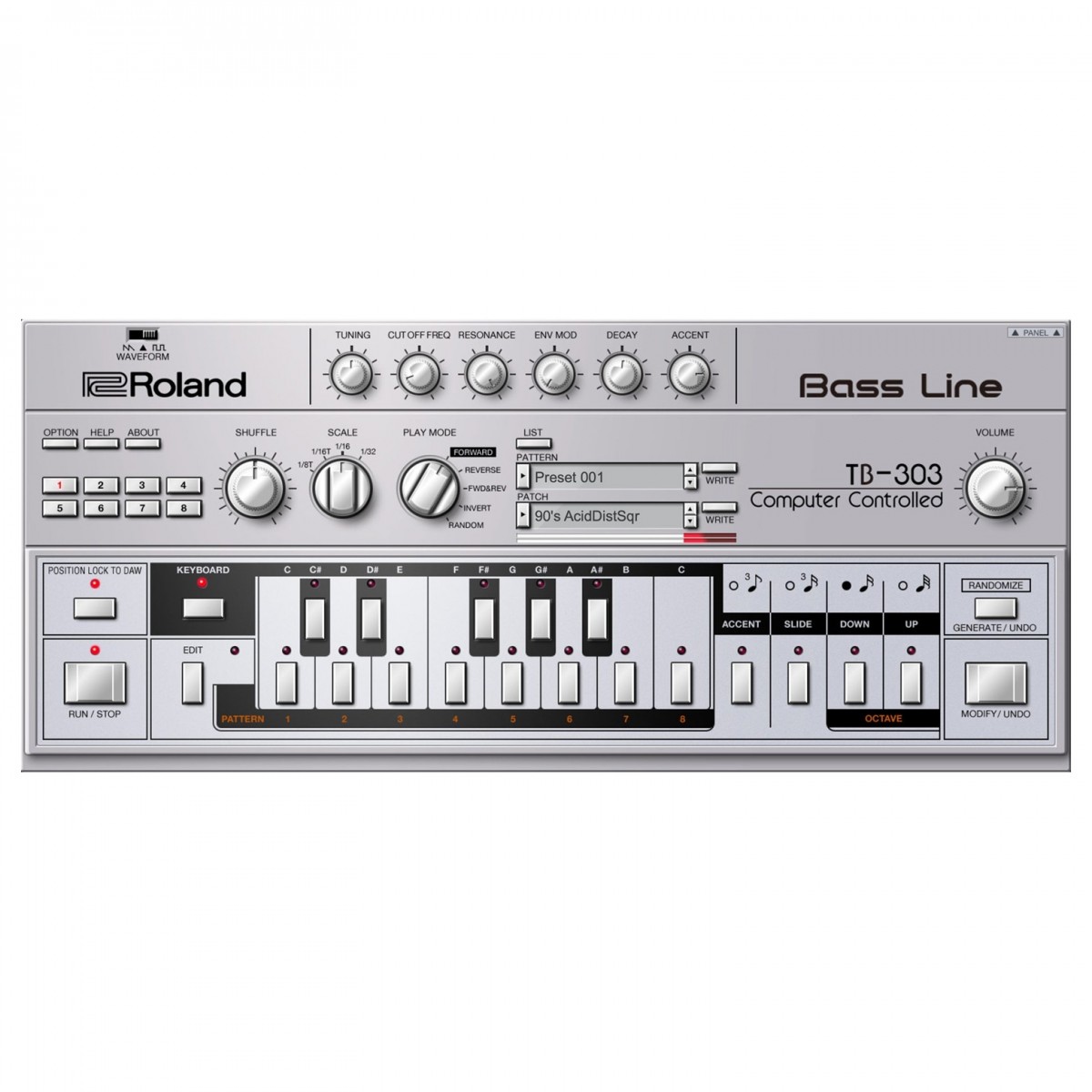
Roland Cloud TB-303 Virtual Instrument
Frequently asked questions
- What technology does the Roland Cloud Juno-106 use?
- The plugin utilizes Roland's proprietary Analog Circuit Behaviour (ACB) technology. This system models the original hardware at the component level to replicate the authentic interactions of analog circuitry.
- How many voices of polyphony are available in the virtual version?
- The software version offers up to eight voices of polyphony. Users can also select a default mode that restricts the polyphony to six voices, matching the original 1980s hardware.
- Does it include the famous Juno chorus effect?
- Yes, the virtual instrument includes a faithful recreation of the iconic Juno-106 chorus. This effect is a key component of the synth's legendary sound character.
- What are the new features added to the virtual version?
- Roland added several requested features not found on the original hardware. These include an integrated arpeggiator and expanded LFO, VCF, VCA, and effects sections.
- Which famous artists have used this software?
- The Juno-106 virtual instrument is used by various professional musicians, including the notable German artist Herbert Grönemeyer.
- Is this a sample-based instrument?
- No, it is not a sample-based instrument. It uses real-time circuit modeling (ACB) to generate sound, providing a more dynamic and authentic response than static samples.
- How much does the Roland Cloud Juno-106 typically cost?
- The virtual instrument is typically priced at approximately GBP 154 for a lifetime key, though it is also available through the Roland Cloud subscription service.
- What are some related virtual instruments in the Roland Cloud range?
- Related products include recreations of the TB-303, Jupiter-8, TR-909, and SH-2, as well as the SRX series modules like Dance Trax and Piano 1 & 2.
- What is the primary benefit of the sub-oscillator?
- The iconic sub-oscillator adds massive low-end weight to the sound. This feature was a defining characteristic of the original hardware's popularity for bass and lead sounds.
- Can it be used in a standard DAW?
- Yes, as a virtual instrument, it is designed to work within modern Digital Audio Workstations. It supports standard plugin formats like VST, AU, and AAX as part of the Roland Cloud suite.
- How does it compare to the Roland Cloud ZENOLOGY Pro?
- While ZENOLOGY Pro is a versatile multi-engine synth, the Juno-106 virtual instrument is a dedicated, deep-dive recreation of one specific analog machine using ACB technology.
- Does the plugin recreate the original Juno-106 interface?
- Yes, the interface is designed to stay true to the original 1980s design. It maintains the intuitive layout while discreetly adding the new digital controls for LFOs and effects.