
Gear article
Roland Cloud Jupiter-8 Virtual Instrument
The Roland Cloud Jupiter-8 Virtual Instrument is a faithful software recreation of Roland's flagship 1980s analogue polysynth. It employs advanced digital modelling to replicate the two discrete VCOs, cross-modulation capabilities, and distinct filtering that defined the original hardware's sound.
See live pricesBackground and History
The Jupiter-8 originally launched in 1981 as Roland's flagship synthesiser, quickly establishing itself as a premier instrument for professional musicians. It was celebrated for its deep programmability and a rich sound palette that was considered 'other-worldly' compared to its contemporaries. The virtual version, part of the Roland Cloud suite, seeks to preserve this legacy by providing modern producers with access to the same architecture that cemented the hardware's reputation as a sought-after polysynth.
Architecture and Features
The virtual instrument replicates the original's signal path, featuring two discrete Voltage Controlled Oscillators (VCOs) per voice. A key aspect of its sound design capability is the cross-modulation feature, allowing for complex, harmonically rich textures. The control section provides comprehensive access to its synthesis parameters, including an LFO and two envelope generators for precise modulation of pitch, filter, and amplitude.
Filtering and Modulation
Renowned for its musicality, the filtering section of the Jupiter-8 software includes both High-Pass (HP) and Low-Pass (LP) filters. The low-pass filter offers switchable two-pole and four-pole settings, allowing users to choose between a gentler slope or a steeper, more aggressive resonance. This flexibility is a cornerstone of the Jupiter-8's ability to transition from soft pads to piercing leads.
Comparison to Alternatives
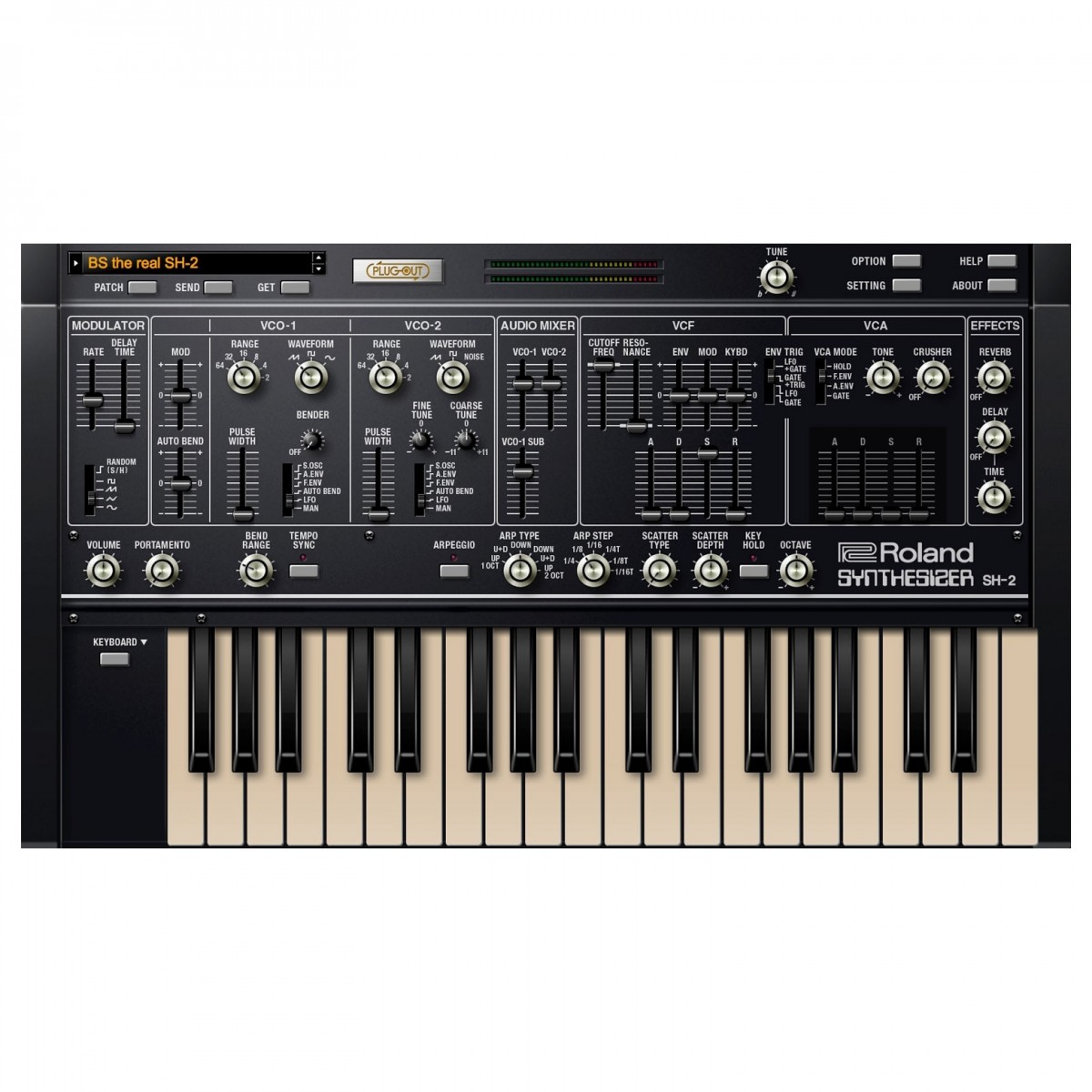
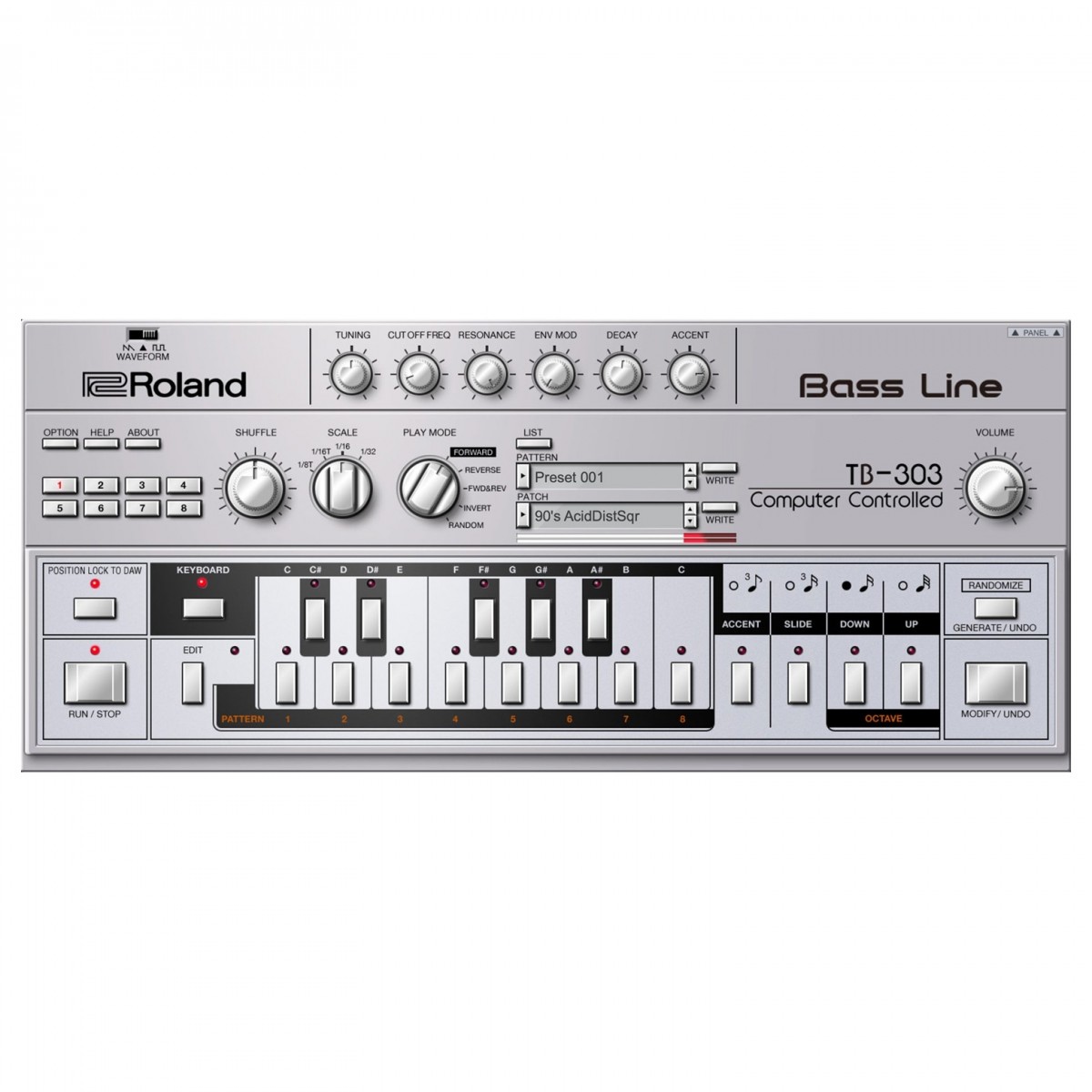
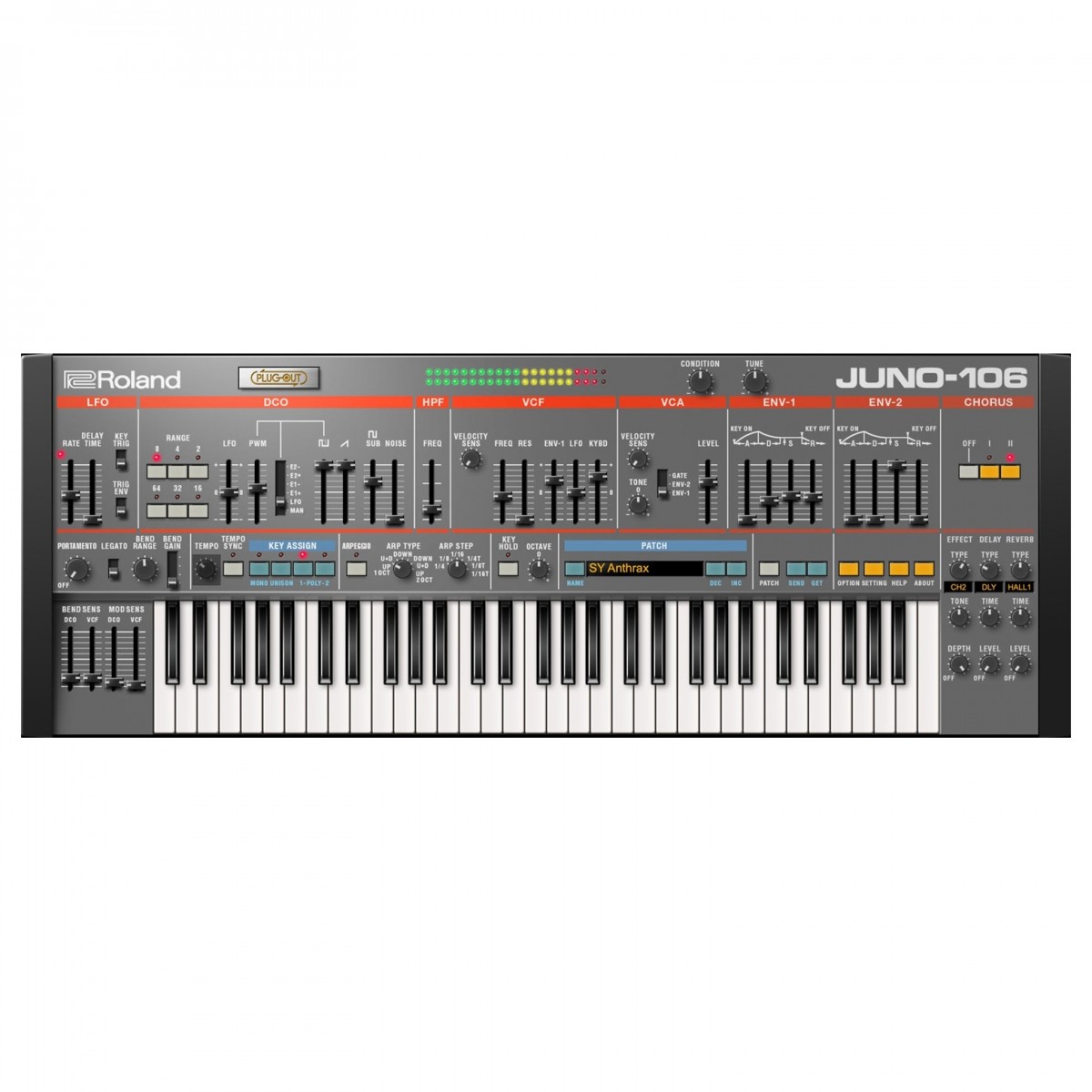
Within the Roland Cloud ecosystem, the Jupiter-8 sits alongside other legendary recreations such as the Juno-106, SH-2, and TB-303. While the Juno-106 is often noted for its simplicity and built-in chorus, the Jupiter-8 offers deeper sound design potential due to its dual VCOs and cross-modulation. Compared to modern platforms like ZENOLOGY Pro, the Jupiter-8 virtual instrument is a more focused, era-specific emulation dedicated to replicating a single piece of hardware history.
Related gear
 £66.50 ($84)
Roland
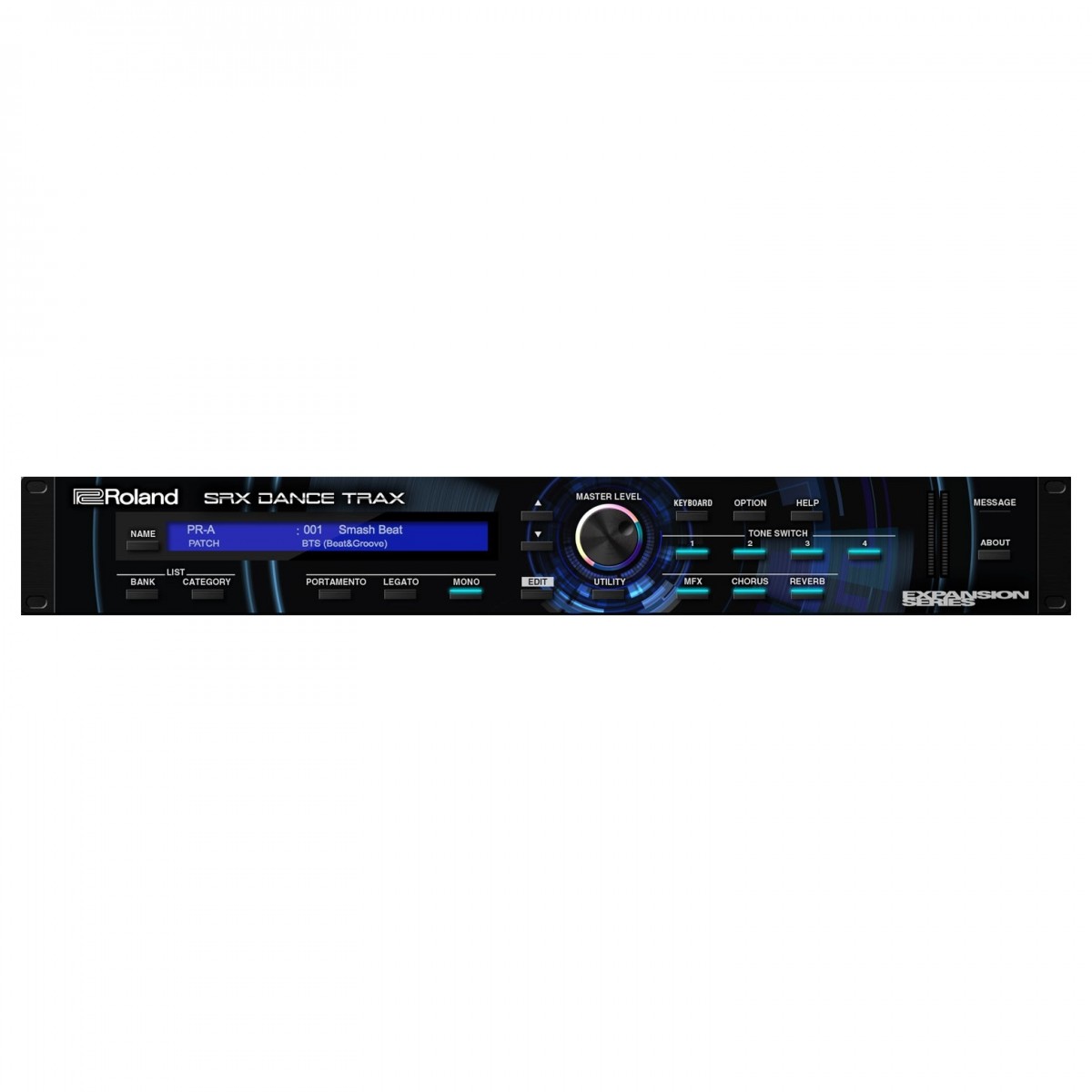
Roland Cloud SRX Dance Trax Virtual Instrument
 £66.50 ($84)
Roland
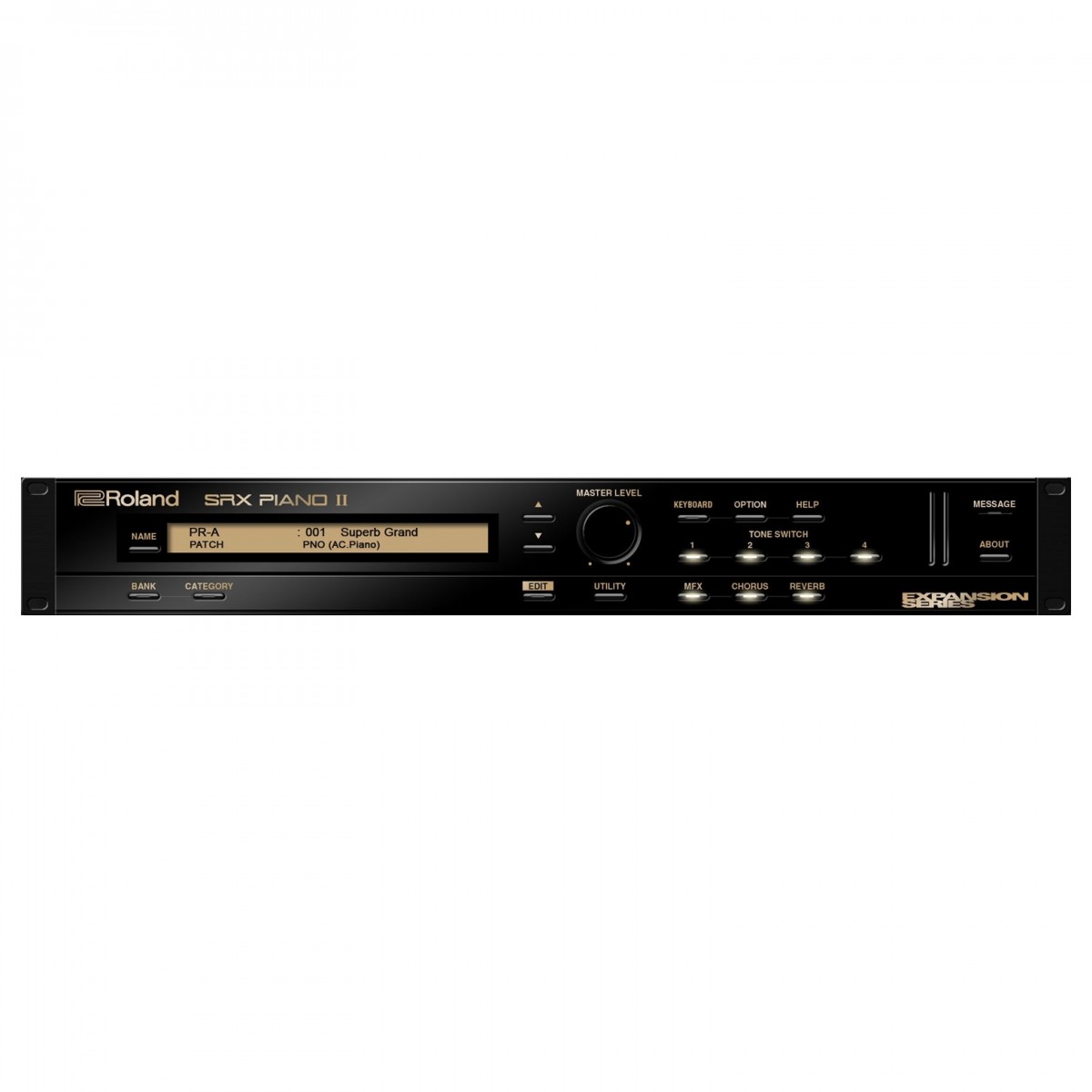
Roland Cloud SRX Piano 2 Virtual Instrument
 £143.75 ($183)
Roland
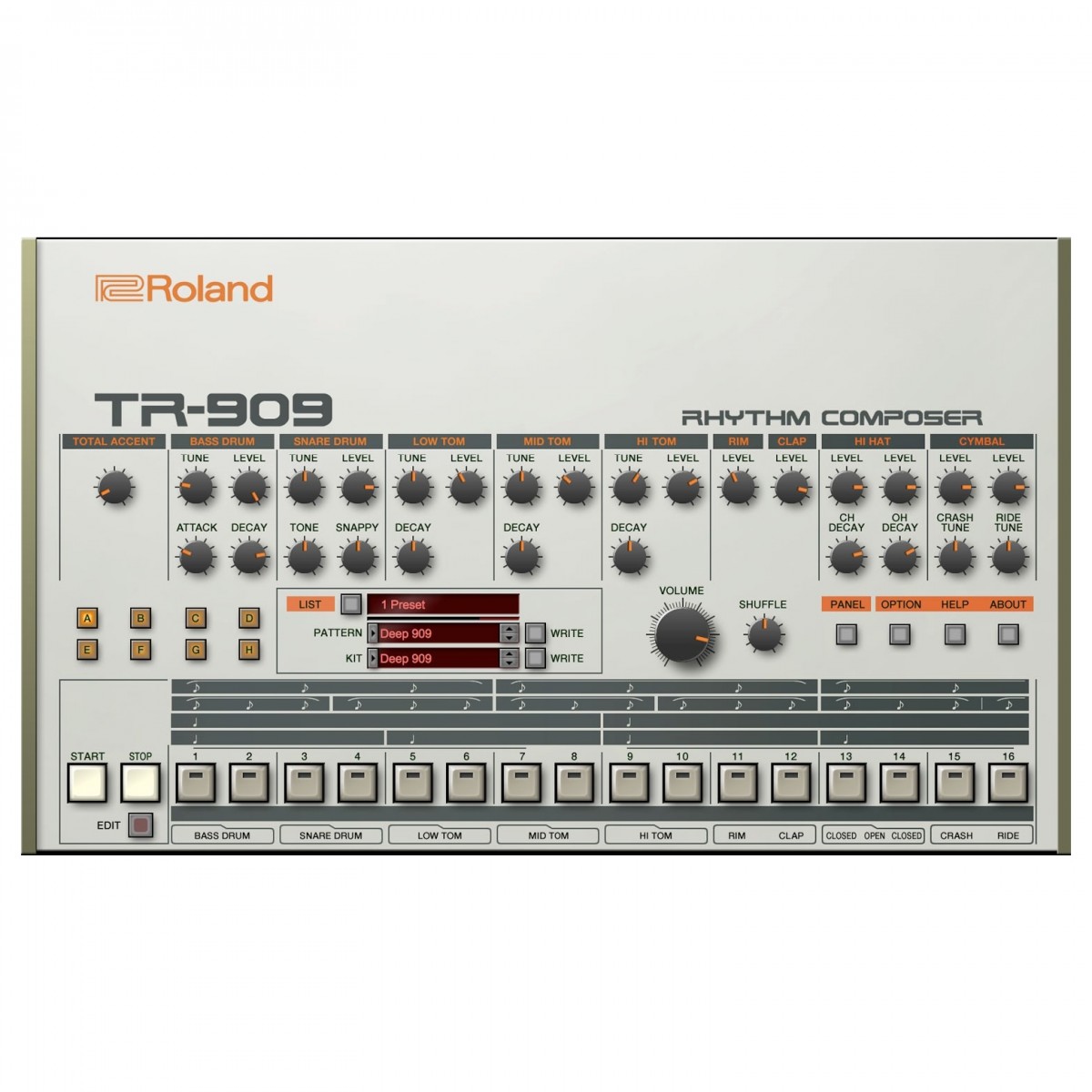
Roland Cloud TR-909 Virtual Instrument
 £218.50 ($278)
Roland
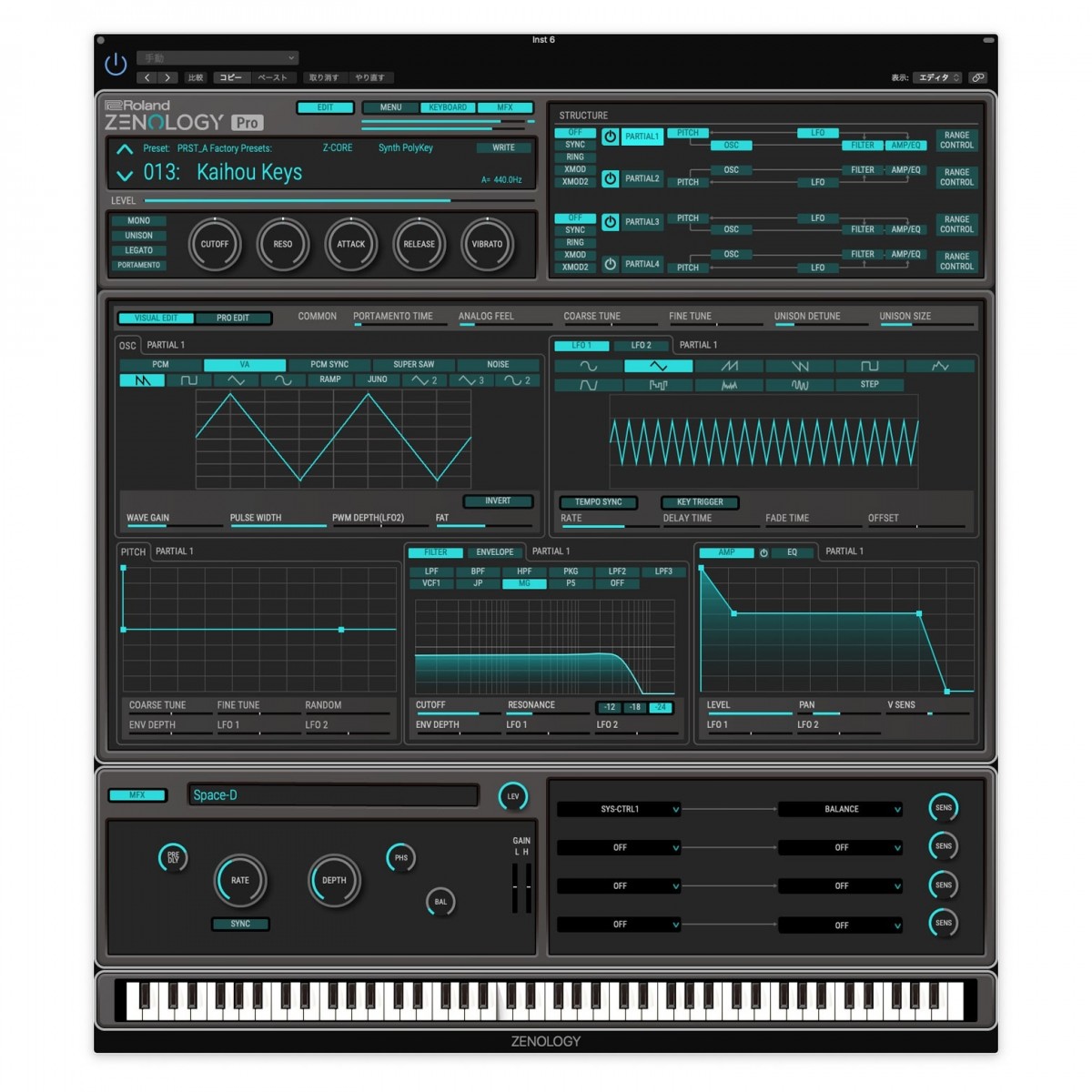
Roland Cloud ZENOLOGY Pro Virtual Instrument
 £95.40 ($121)
Roland
Roland Cloud SH-2 Virtual Instrument
 £66.50 ($84)
Roland
Roland Cloud SRX Piano 1 Virtual Instrument
 £143.00 ($182)
Roland
Roland Cloud TB-303 Virtual Instrument
 £154.00 ($196)
Roland
Roland Cloud Juno-106 Virtual Instrument
Frequently asked questions
- What is the Roland Cloud Jupiter-8 Virtual Instrument?
- It is a software-based recreation of the original 1981 Roland Jupiter-8 analogue synthesiser. It allows users to access the sounds and controls of the flagship hardware within a digital audio workstation (DAW).
- What synthesis features are included?
- The instrument features two discrete VCOs, cross-modulation, an LFO, and two envelope generators. These components work together to provide the deep programmability for which the original was famous.
- Does it include the original filters?
- Yes, it replicates the musical HP and LP filters. The low-pass filter specifically includes both two-pole and four-pole settings to mimic the hardware's tonal flexibility.
- What makes the Jupiter-8 sound unique?
- Its reputation is built on a rich, 'other-worldly' sound palette enabled by its dual-oscillator architecture and sophisticated modulation options. It is widely considered one of the most versatile polysynths of the early 1980s.
- How does it compare to the Roland Cloud Juno-106?
- The Jupiter-8 is a more complex instrument with two VCOs and cross-modulation, whereas the Juno-106 is a single-oscillator design known for its ease of use and signature chorus. The Jupiter-8 is typically preferred for more intricate sound design.
- Is the Jupiter-8 included in Roland Cloud?
- Yes, it is a key part of the Roland Cloud collection, sitting alongside other classic emulations like the TB-303, TR-909, and SH-2.
- Can I use it for live performances?
- Yes, the software is designed for both studio sound design and live performance use. It provides the stability of a digital instrument while offering the aesthetic and sound of an analogue classic.
- What is the typical price for the standalone software?
- The typical price range for the Jupiter-8 Virtual Instrument is approximately GBP 200. It is also available via various Roland Cloud subscription tiers.
- How does this relate to ZENOLOGY Pro?
- While ZENOLOGY Pro is a multi-engine synthesiser that covers a wide range of Roland sounds, the Jupiter-8 Virtual Instrument is a dedicated, high-fidelity model of that specific hardware unit.
- What kind of sounds is the Jupiter-8 best at creating?
- It excels at creating lush pads, complex leads, and evolving textures. Its dual oscillators allow for thick, detuned sounds that single-oscillator synths cannot easily replicate.
- Does it support cross-modulation?
- Yes, cross-modulation is a primary feature of the Jupiter-8, allowing one oscillator to modulate the other for metallic or aggressive timbres. This was a standout feature of the original hardware.
- Are there other Roland Cloud instruments similar to this?
- Related products include the SH-2, Juno-106, and various SRX expansion plug-ins like SRX Dance Trax and SRX Piano. These provide a broad palette of historical Roland sounds.