
Gear article
TritonAudio FetHead Germanium In-line Microphone Preamp
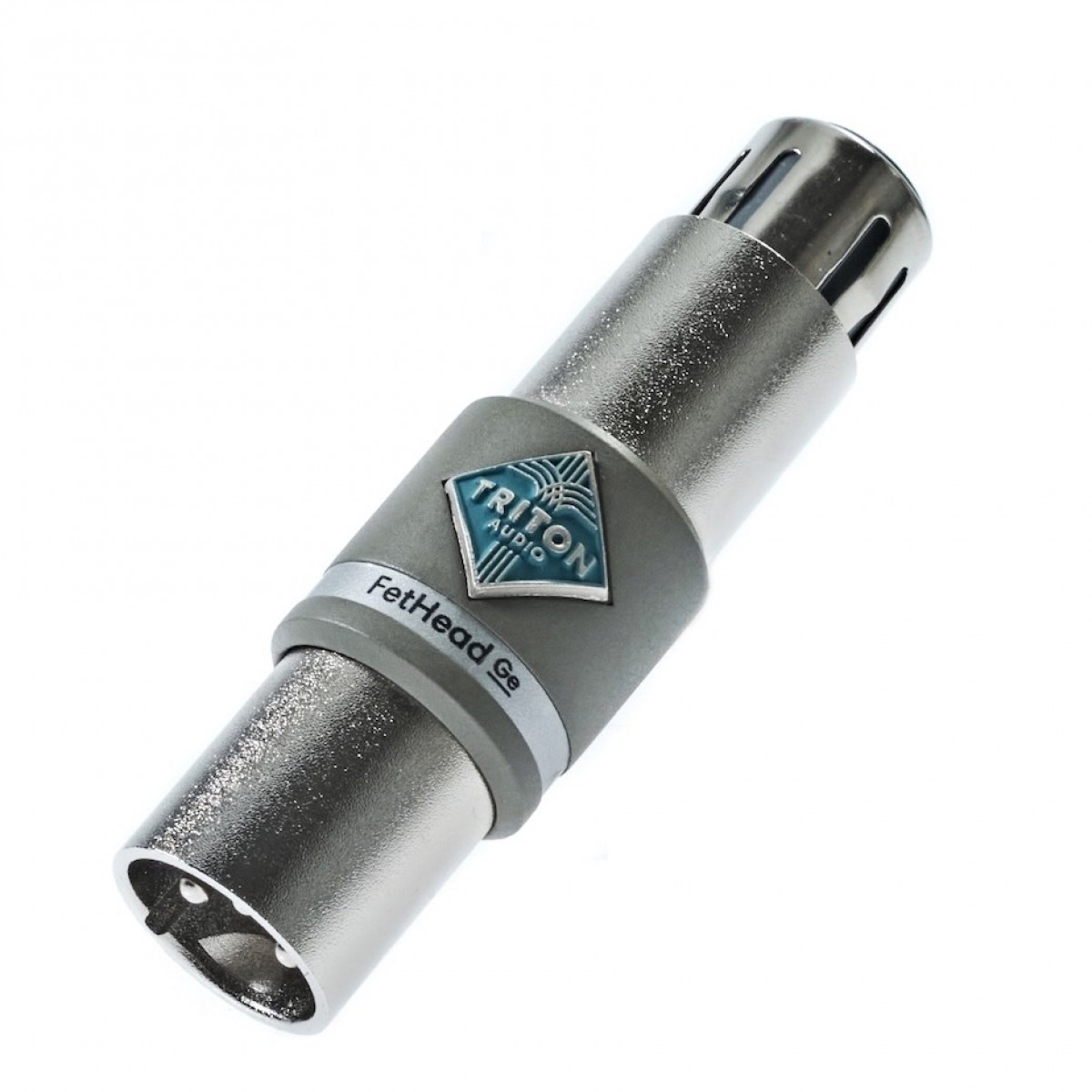
The TritonAudio FetHead Germanium is a high-quality in-line microphone preamplifier designed to provide up to 29dB of clean gain for ribbon and low-output dynamic microphones. It features a germanium transistor to impart a vintage sonic character while reducing noise and hiss during the recording process.
Overview and Design
The TritonAudio FetHead Germanium is a compact, phantom-powered device housed in a rugged metal chassis. It is designed to be connected directly between an XLR-equipped microphone and a standard microphone cable. Its primary function is to provide extra gain before the signal reaches the main audio interface or mixing console, which is particularly beneficial for microphones with low output levels.
The build quality focuses on durability, protecting the internal components from superficial damage and ensuring a long lifespan in both studio and field environments. Unlike standard transparent boosters, this specific model utilises a germanium transistor circuit to influence the signal path.
Technical Operation
The device operates by using 48V phantom power from the mixer or interface to drive its internal amplifier circuit. While it requires phantom power to function, it does not pass that power through to the microphone. This makes it safe for use with vintage ribbon microphones that could otherwise be damaged by direct phantom power.
Key performance features include: * Gain: Provides up to 29dB of additional volume. * Noise Reduction: By boosting the signal at the source, it reduces the need to 'crank' the gain on a primary preamp, which often introduces unwanted hiss. * Ease of Use: Plug-and-play operation with no buttons or configuration required.
Sound Character
The defining characteristic of the FetHead Germanium is its 'vintage mojo'. While many in-line preamps strive for complete transparency, the germanium transistor in this model adds a subtle harmonic coloration. This results in a warmer, more classic sound profile that can enhance the mid-range and smooth out the high-frequencies of digital recordings.
Comparison to Alternatives
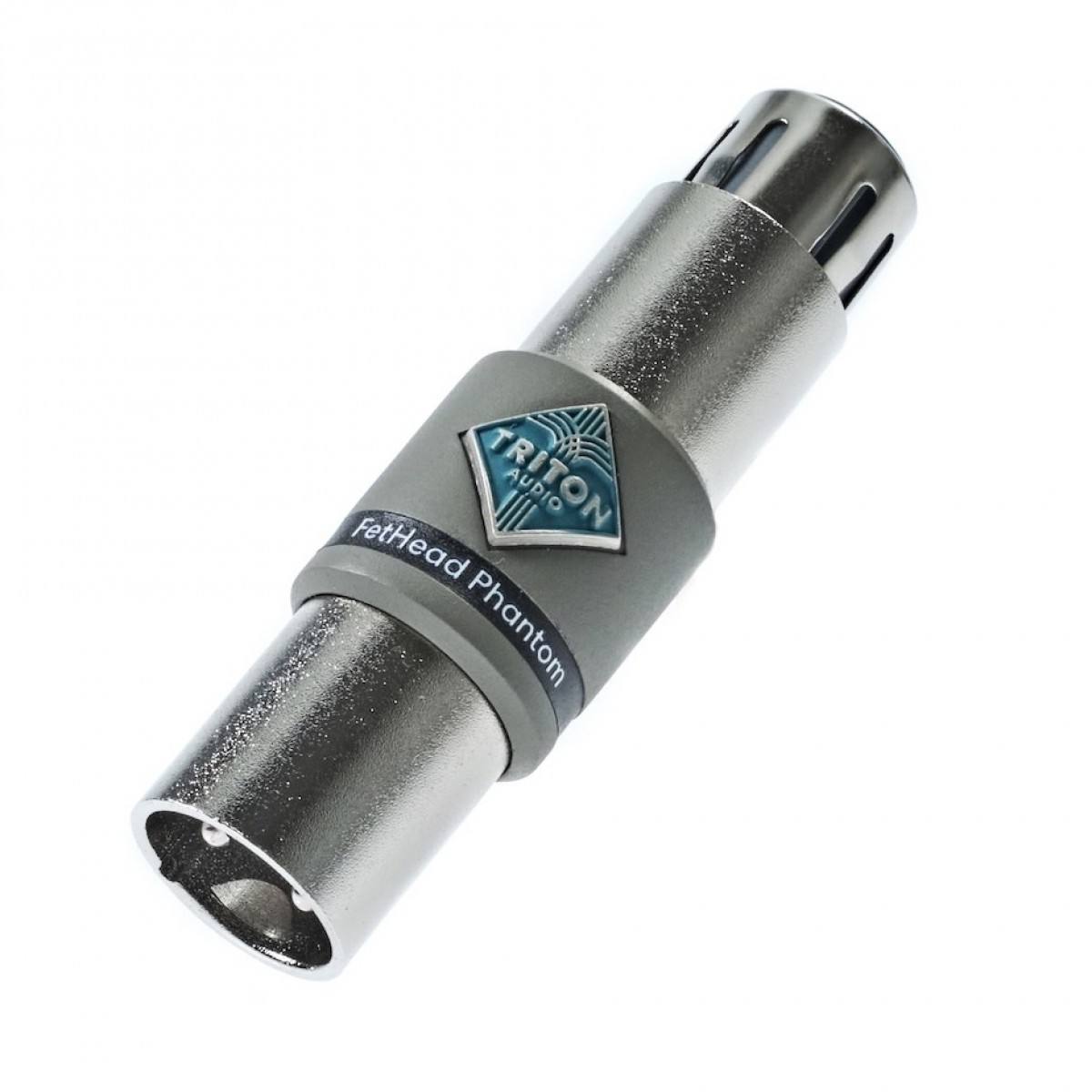
Within the TritonAudio range, the FetHead Germanium differs from the FetHead Phantom, which is intended for condenser microphones and passes phantom power through to the transducer.
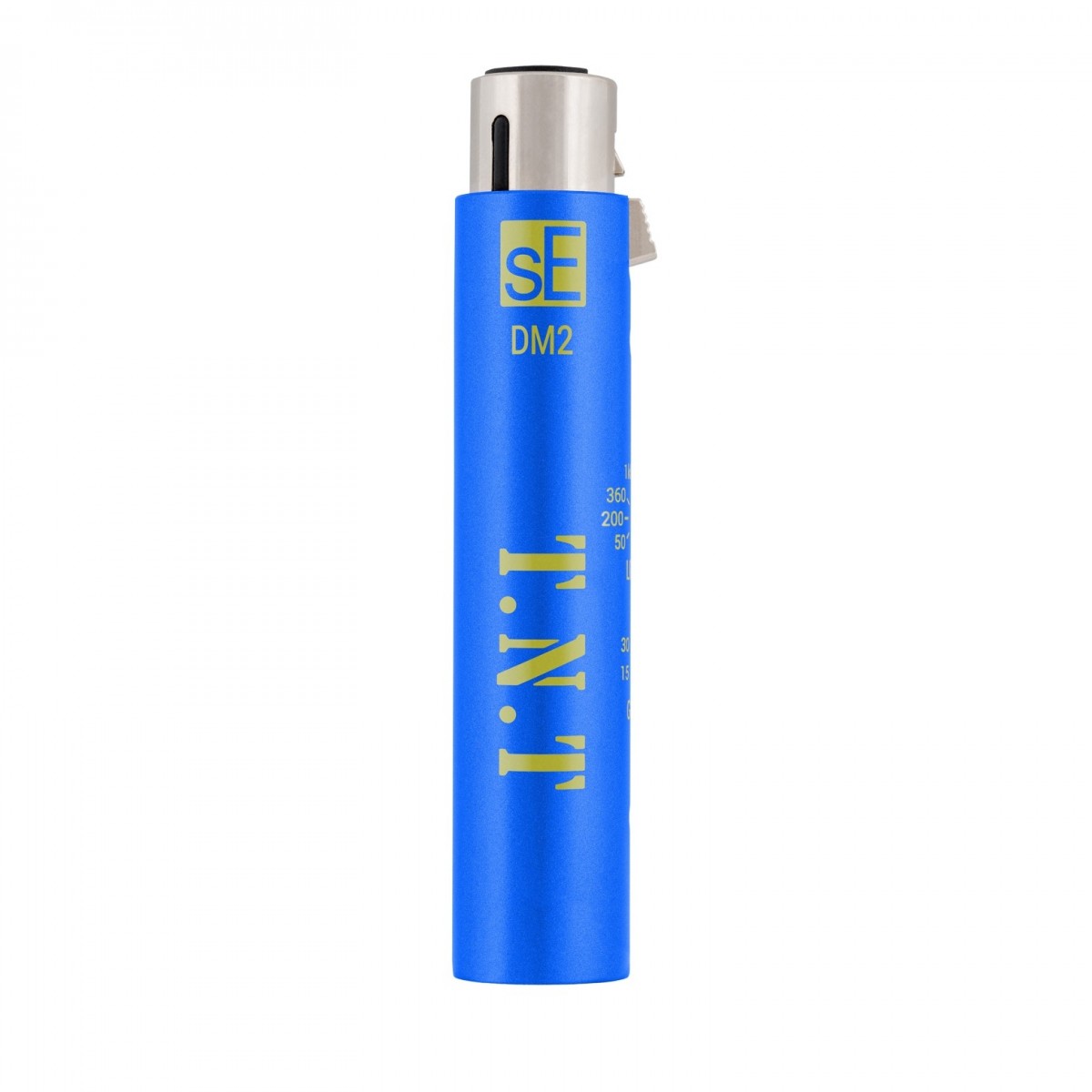
When compared to other active in-line preamps like the sE Electronics DM2 TNT, the FetHead Germanium is distinguished by its specific transistor choice. While the DM2 offers selectable gain levels, the FetHead Germanium focuses on a fixed boost combined with a specific tonal footprint. It serves as a more affordable, portable alternative to full-sized units like the Warm Audio WA273-EQ for users who specifically need a gain lift and character rather than a full channel strip.
Related gear
- £379.00 ($481)
Fortin
Fortin Meshuggah Signature Pre-Amp Distortion
 £1,165.00 ($1,480)
Warm Audio
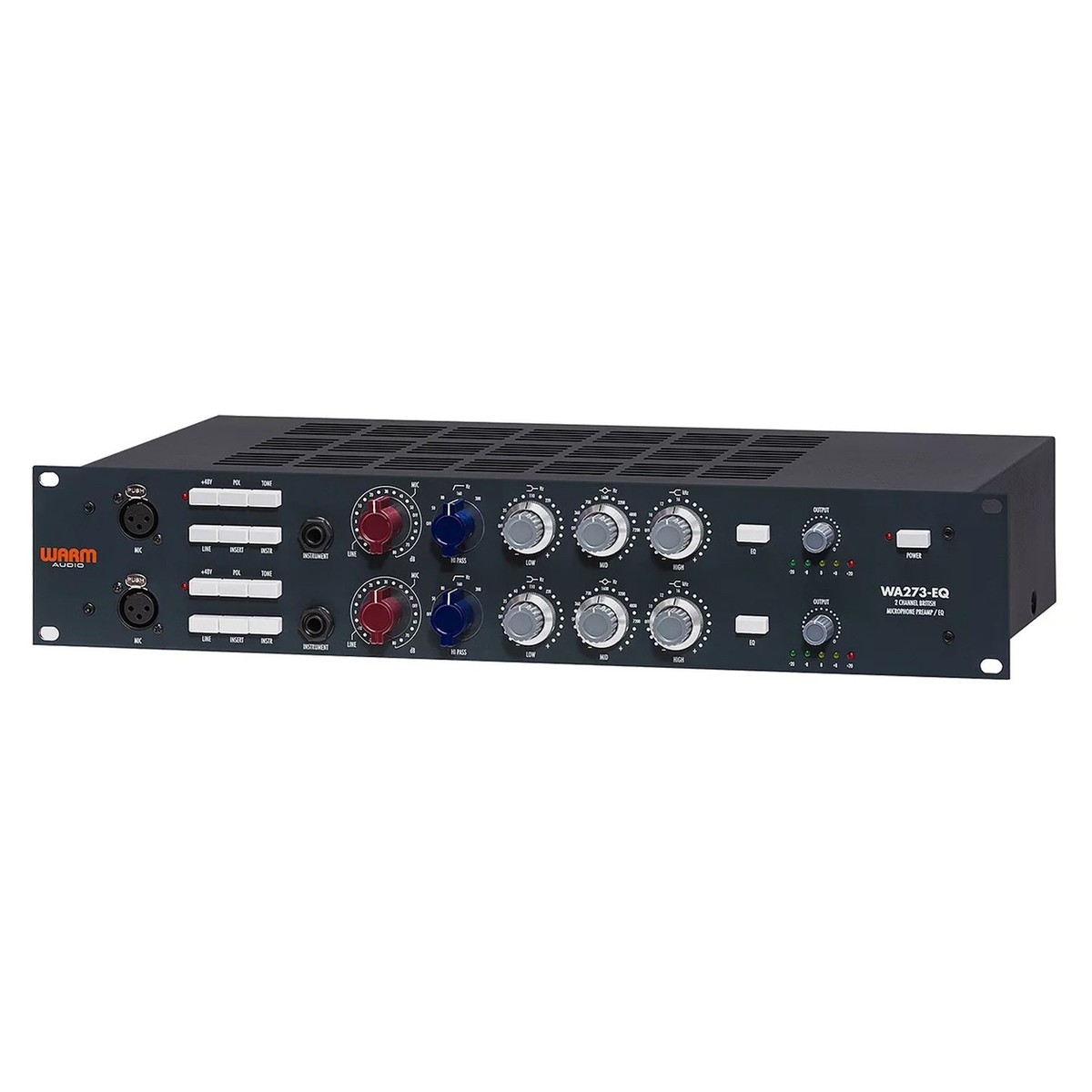
Warm Audio WA273-EQ 2-Channel Microphone Preamp with EQ
 £129.00 ($164)
Vox
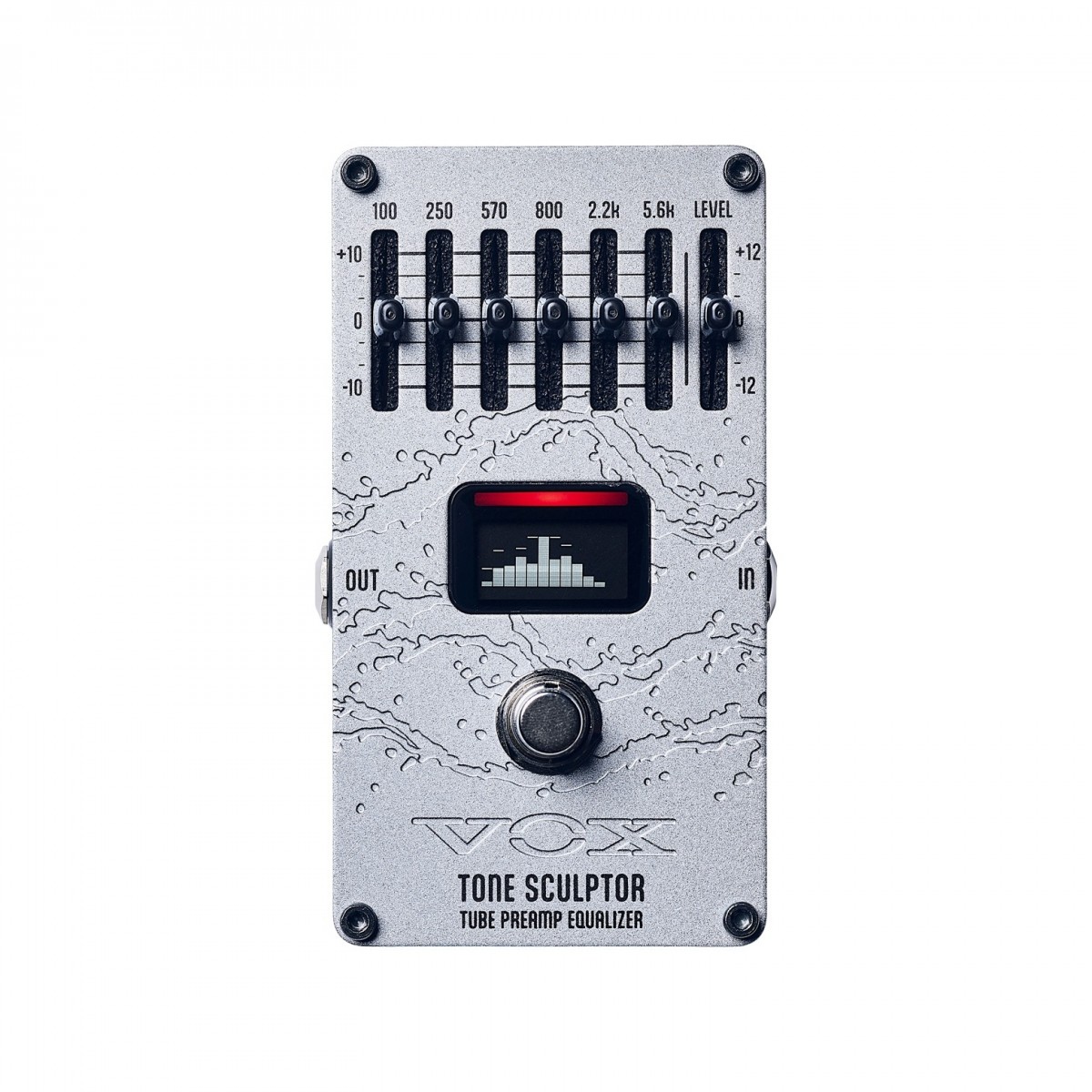
Vox Valvenergy Tone Sculptor Tube Preamp Equalizer Pedal
 £11.84 ($15)
Behringer
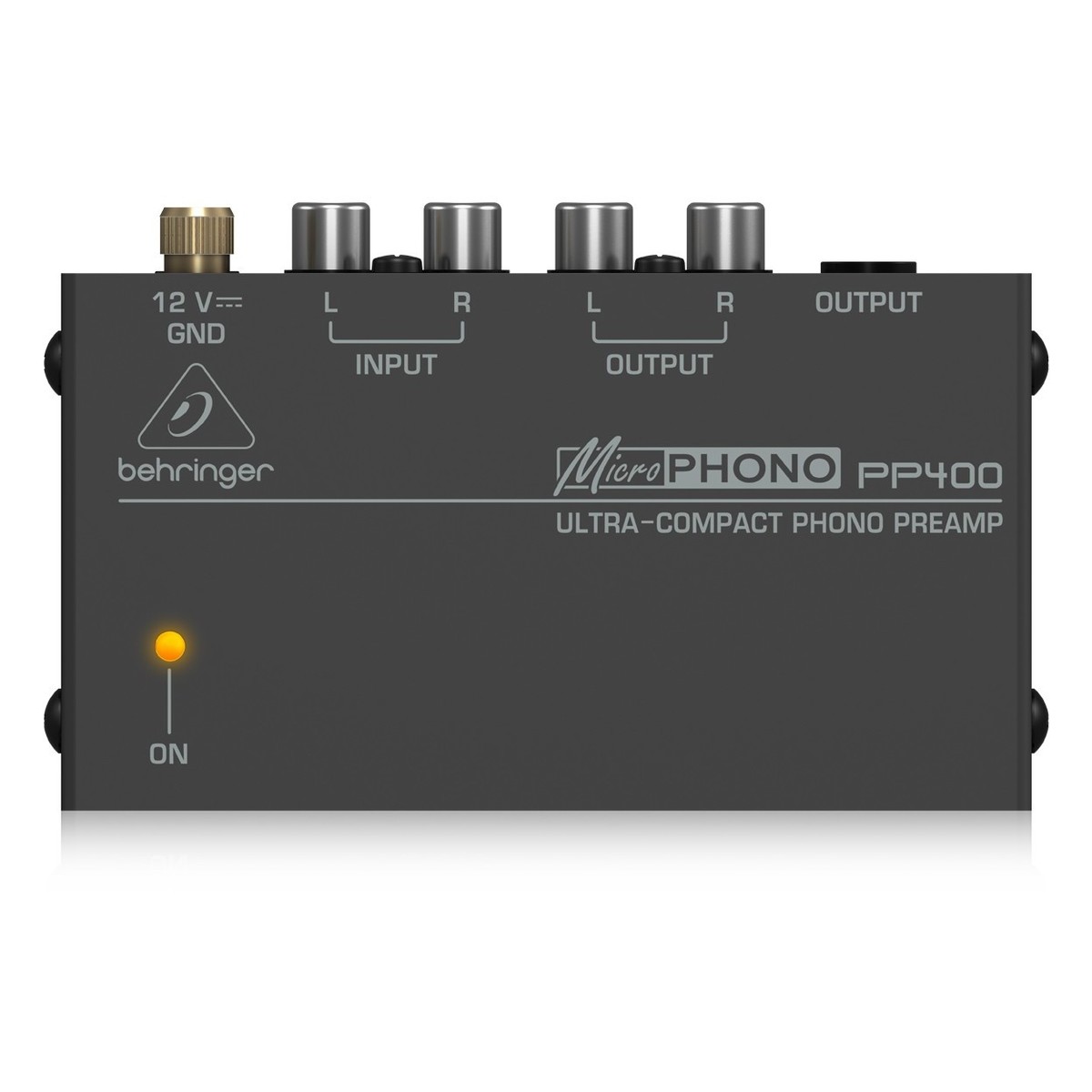
Behringer PP400 Microphono Phono Preamp
 £64.99 ($83)
TritonAudio
TritonAudio FetHead Phantom Preamp for Condenser Microphones
 £159.00 ($202)
Peavey
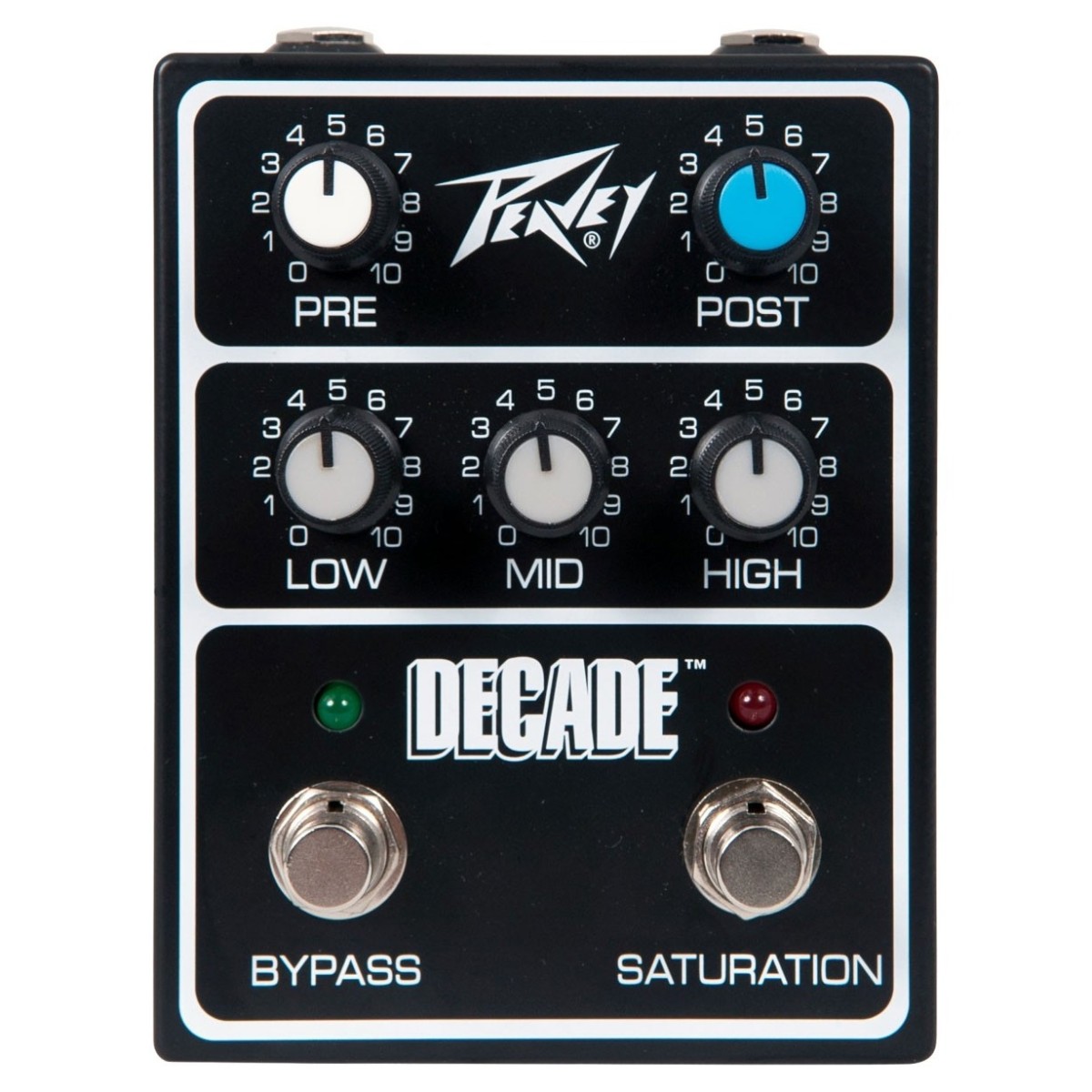
Peavey Decade Preamp Pedal
 £90.10 ($114)
sE Electronics
sE Electronics DM2 TNT Active Inline Preamp
 £149.00 ($189)
Boss
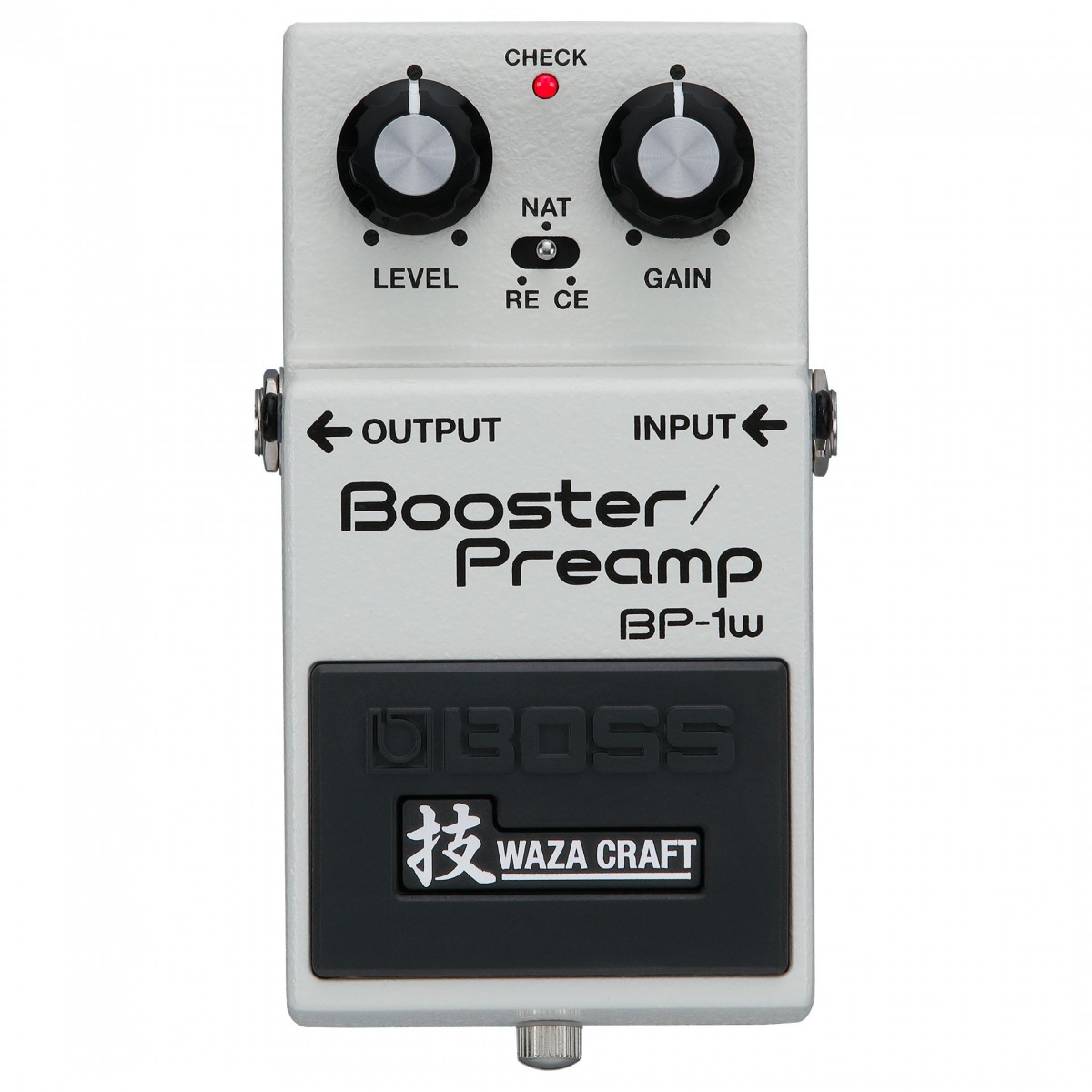
Boss BP-1W Waza Craft Booster/Preamp Pedal
Frequently asked questions
- What microphones are compatible with the FetHead Germanium?
- It is designed for ribbon and low-output dynamic microphones. It is not suitable for condenser microphones that require phantom power to operate.
- Does the FetHead Germanium pass phantom power to the microphone?
- No, it uses phantom power for its own circuit but does not pass it through to the microphone. This protects sensitive ribbon microphones from potential damage.
- How much gain does it provide?
- The device provides a clean boost of up to 29dB. This allows users to achieve a healthy recording level without overworking their audio interface's built-in preamps.
- What is the benefit of a germanium transistor?
- Germanium transistors are known for providing a 'vintage' sound character. They add a specific harmonic saturation and warmth that is often described as 'mojo' in professional audio.
- Where should the FetHead be placed in the signal chain?
- It should be connected directly to the microphone or between the microphone and the XLR cable. Shorter cable runs between the mic and the FetHead generally yield the best noise performance.
- Is the FetHead Germanium durable?
- Yes, it is housed in a rugged, durable chassis. This design is intended to protect the internal components from superficial damage during regular use.
- Does this preamp require batteries?
- No, it does not require batteries. It is powered solely by 48V phantom power provided by your mixing console or audio interface.
- Can it be used for live sound?
- Yes, its compact size and rugged construction make it suitable for live sound applications. It is particularly useful for quiet sources where the console preamps are struggling with noise.
- Will it eliminate hiss from my recordings?
- It helps reduce hiss by providing clean gain at the start of the chain. This prevents the need to use high gain settings on lower-quality interface preamps which are often the source of noise.
- How does it compare to the standard TritonAudio FetHead?
- The standard FetHead is designed for transparency. The Germanium version is designed to add a specific vintage sonic character while providing the same gain-boosting function.
- Is it compatible with all XLR cables?
- Yes, it uses standard 3-pin XLR connectors. It can be used with any standard balanced XLR microphone and cable setup.
- What is the typical price for this unit?
- The typical price for the TritonAudio FetHead Germanium is approximately £70. This makes it an affordable upgrade for users of ribbon or dynamic microphones.