
Gear article
TritonAudio FetHead Phantom In-Line Preamp
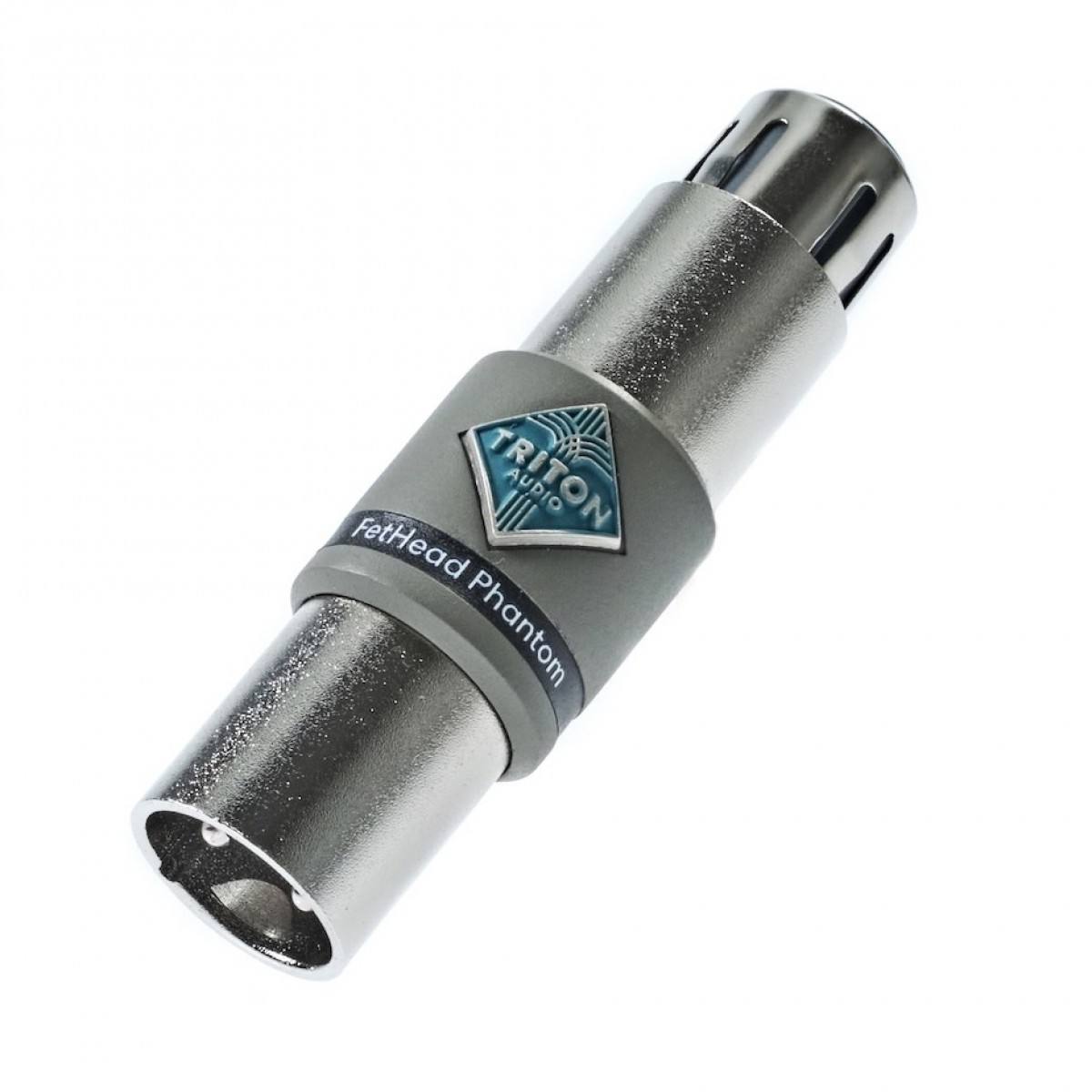
The TritonAudio FetHead Phantom is a compact in-line preamplifier designed specifically for condenser microphones, providing an 18dB gain boost. It utilizes phantom power to operate and features a rugged chassis suitable for both studio and live environments.
Overview
The TritonAudio FetHead Phantom is an active in-line microphone preamplifier. Unlike the standard FetHead designed for ribbon and dynamic microphones, the Phantom version is engineered specifically to work with condenser microphones that require phantom power. It sits between the microphone and the XLR cable, providing a clean boost to the signal before it reaches the primary mixing console or audio interface.
Design and Build
The device is housed in a durable, compact metal chassis, designed for longevity and protection against superficial damage. Its small form factor allows it to be plugged directly into the back of a microphone or used at any point in the signal chain before the cable. Its simple 'plug-and-play' configuration requires no external power source other than the 48V phantom power provided by the main preamp or interface.
Technical Operation
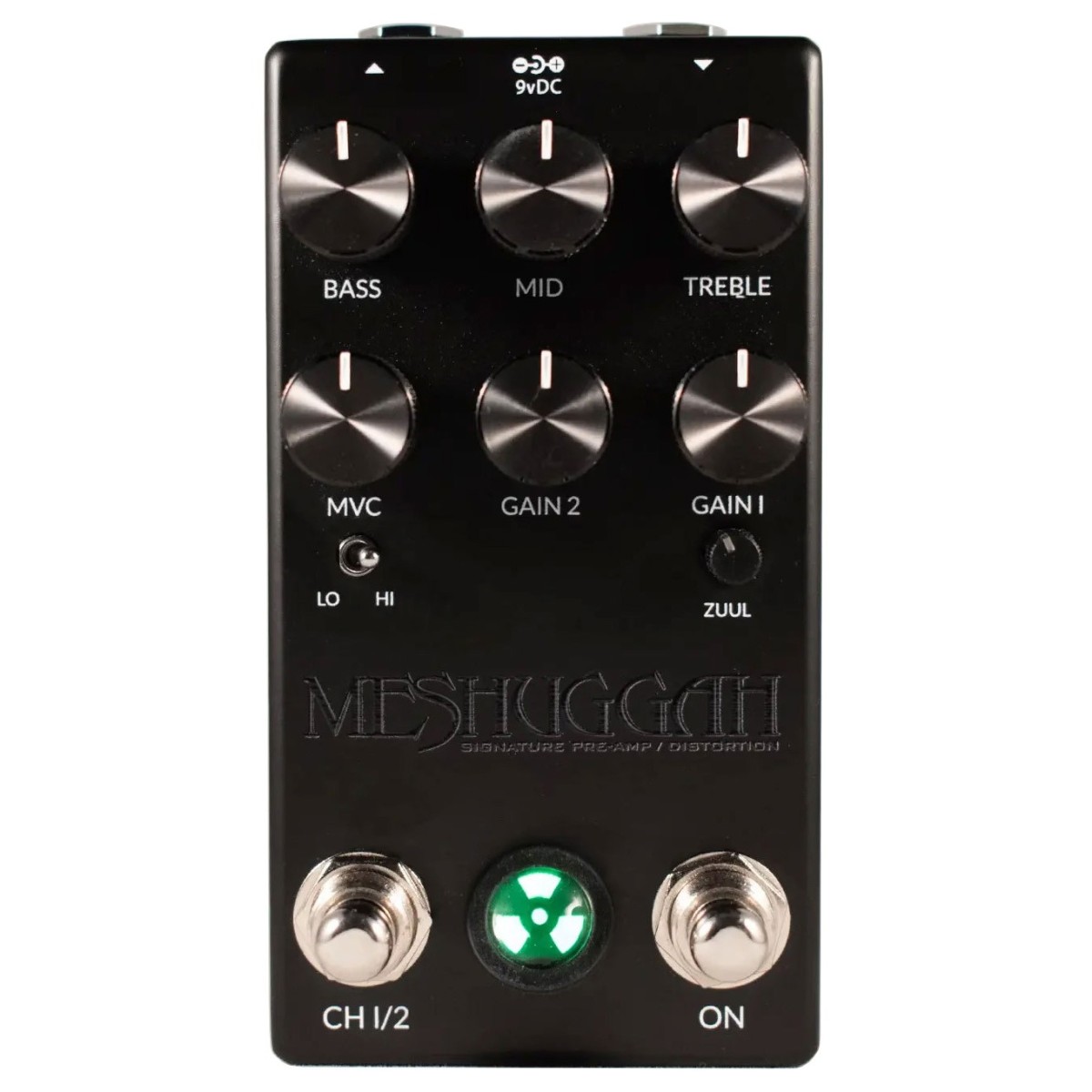
When connected, the FetHead Phantom draws 48V phantom power from the mixer and delivers a clean 18dB boost to the microphone signal. Crucially, it pass through 48V phantom power to the microphone itself, ensuring the condenser capsule remains operational. This allows users to achieve higher recording levels without having to 'crank' their primary preamp, which often introduces unwanted noise, hiss, or electrical interference at higher gain settings.
Comparison to Alternatives
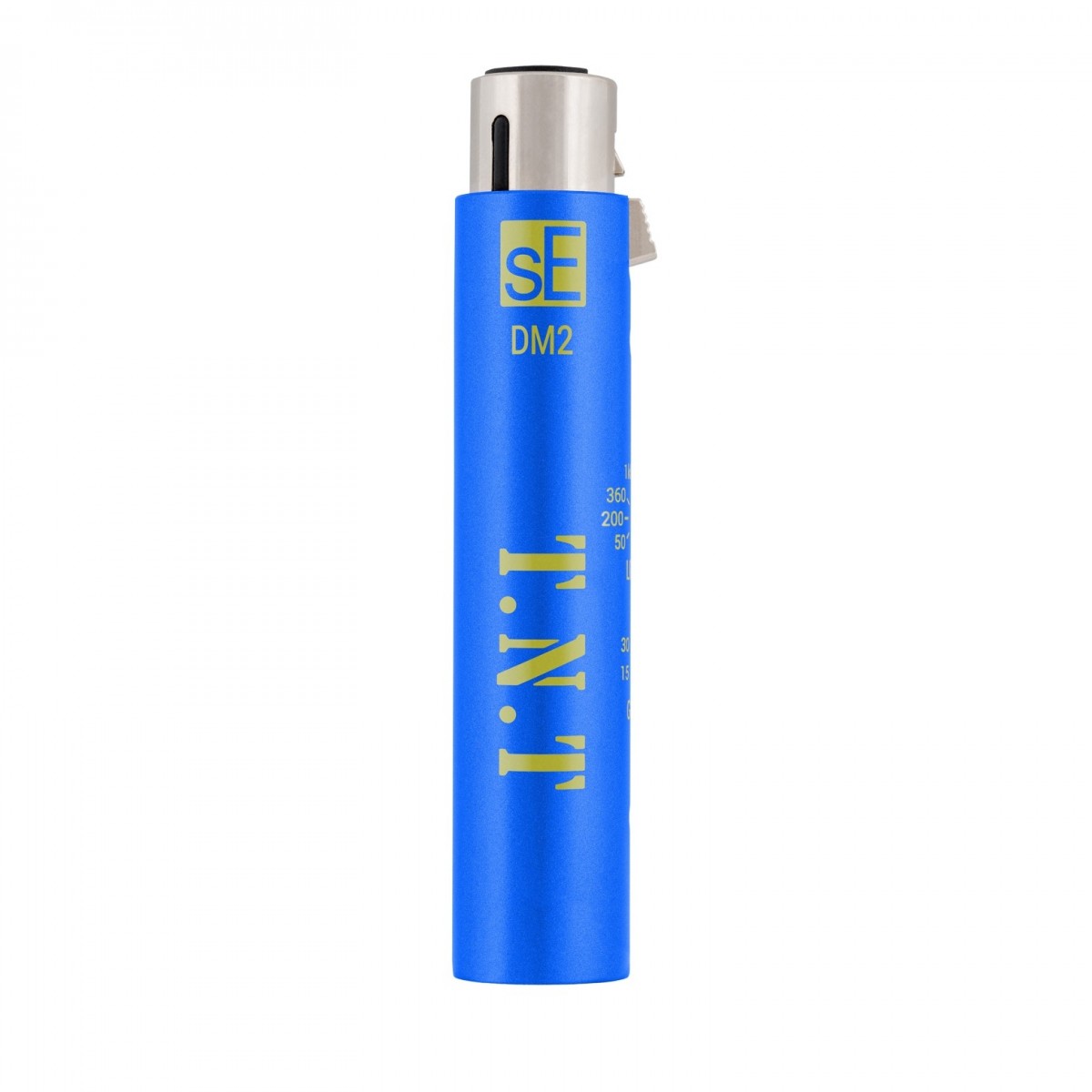
In the market for in-line preamps, the FetHead Phantom competes with units like the sE Electronics DM2 TNT. While many boosters, such as the standard Cloudlifter or regular FetHead, are designed to block phantom power for ribbon mics, the FetHead Phantom is distinct for its ability to pass power through. This makes it a specialized tool compared to more general-purpose rack-mount units like the Warm Audio WA273-EQ or the Behringer 1273, which occupy more space and cost significantly more.
Related gear
- £379.00 ($481)
Fortin
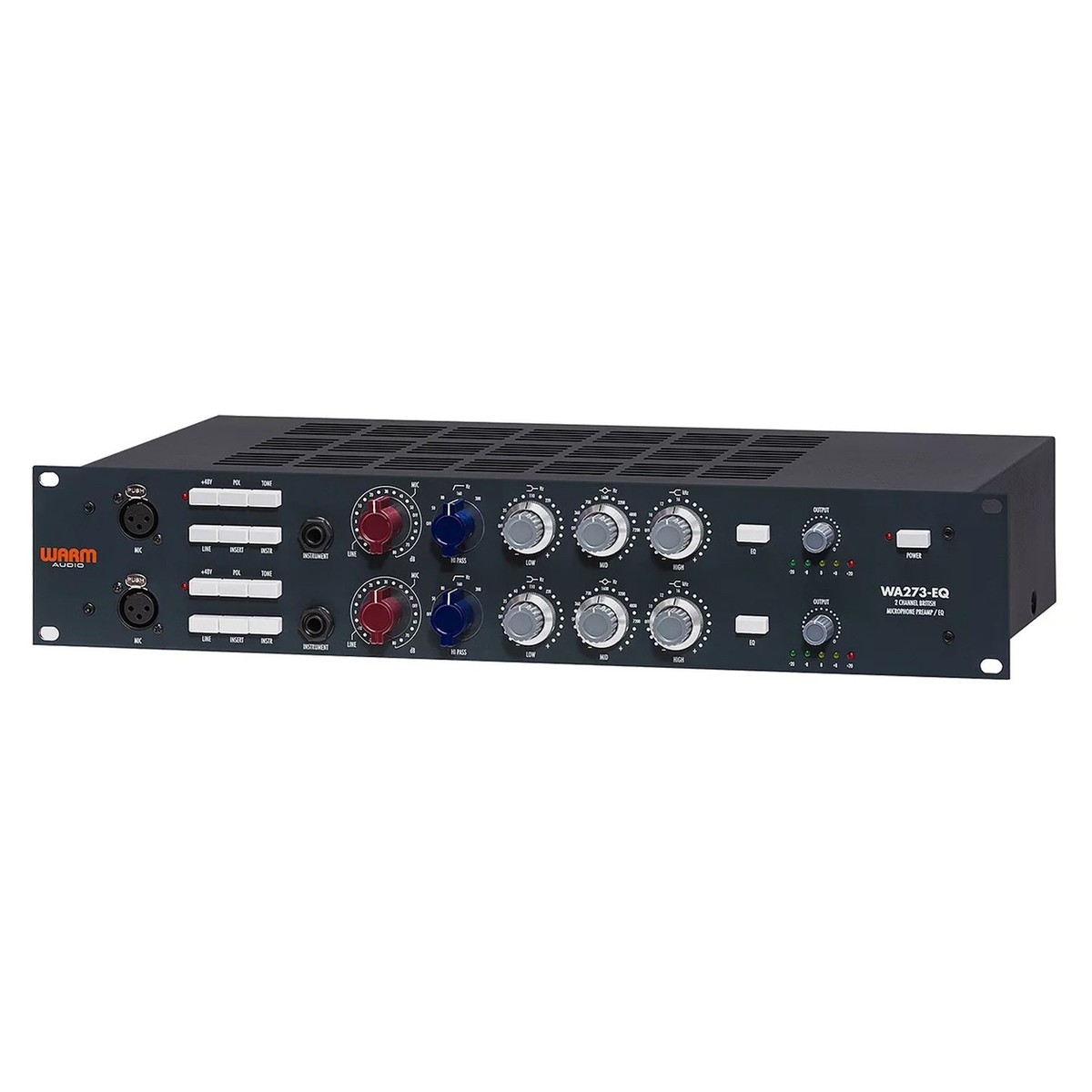
Fortin Meshuggah Signature Pre-Amp Distortion
 £1,165.00 ($1,480)
Warm Audio
Warm Audio WA273-EQ 2-Channel Microphone Preamp with EQ
 £129.00 ($164)
Vox
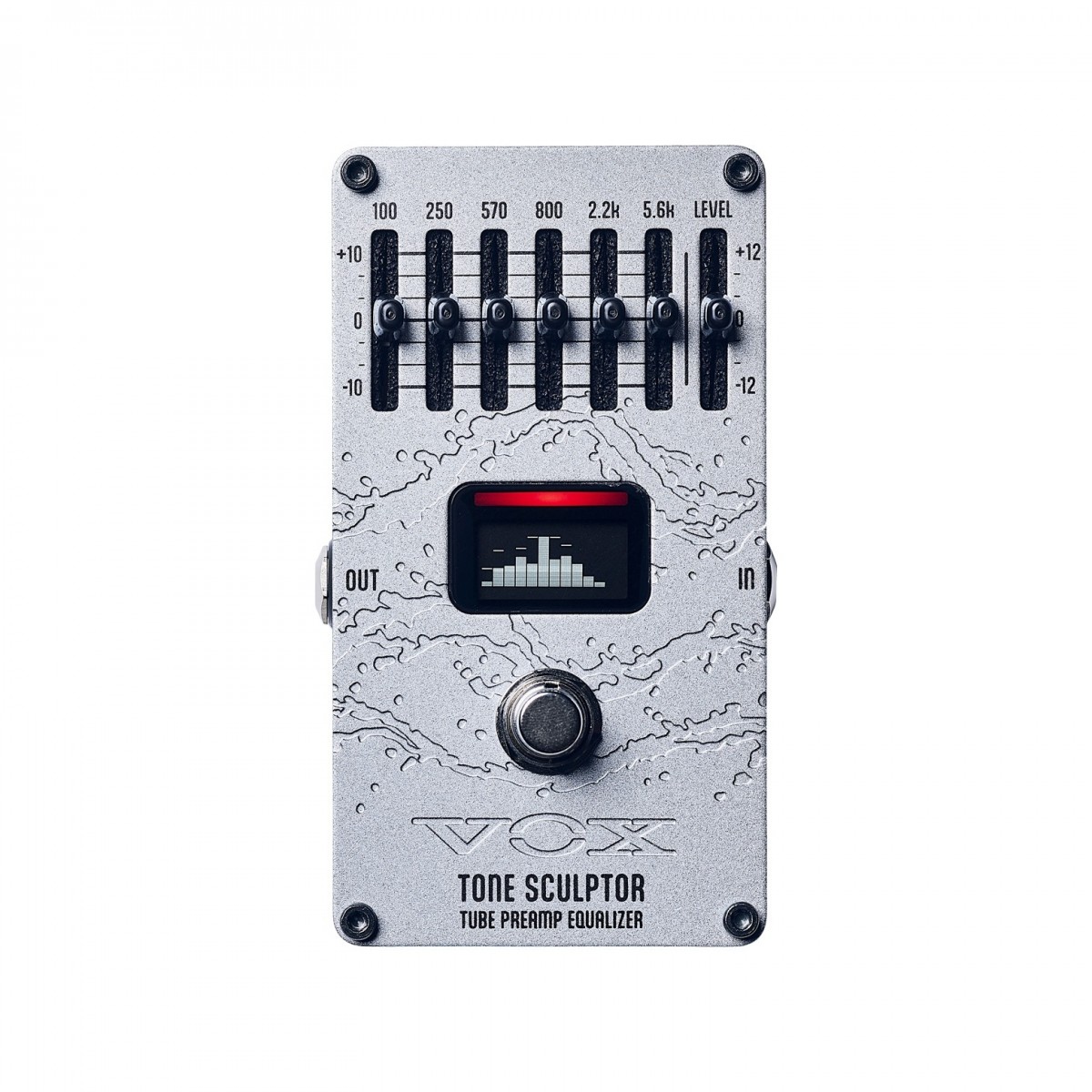
Vox Valvenergy Tone Sculptor Tube Preamp Equalizer Pedal
 £11.84 ($15)
Behringer
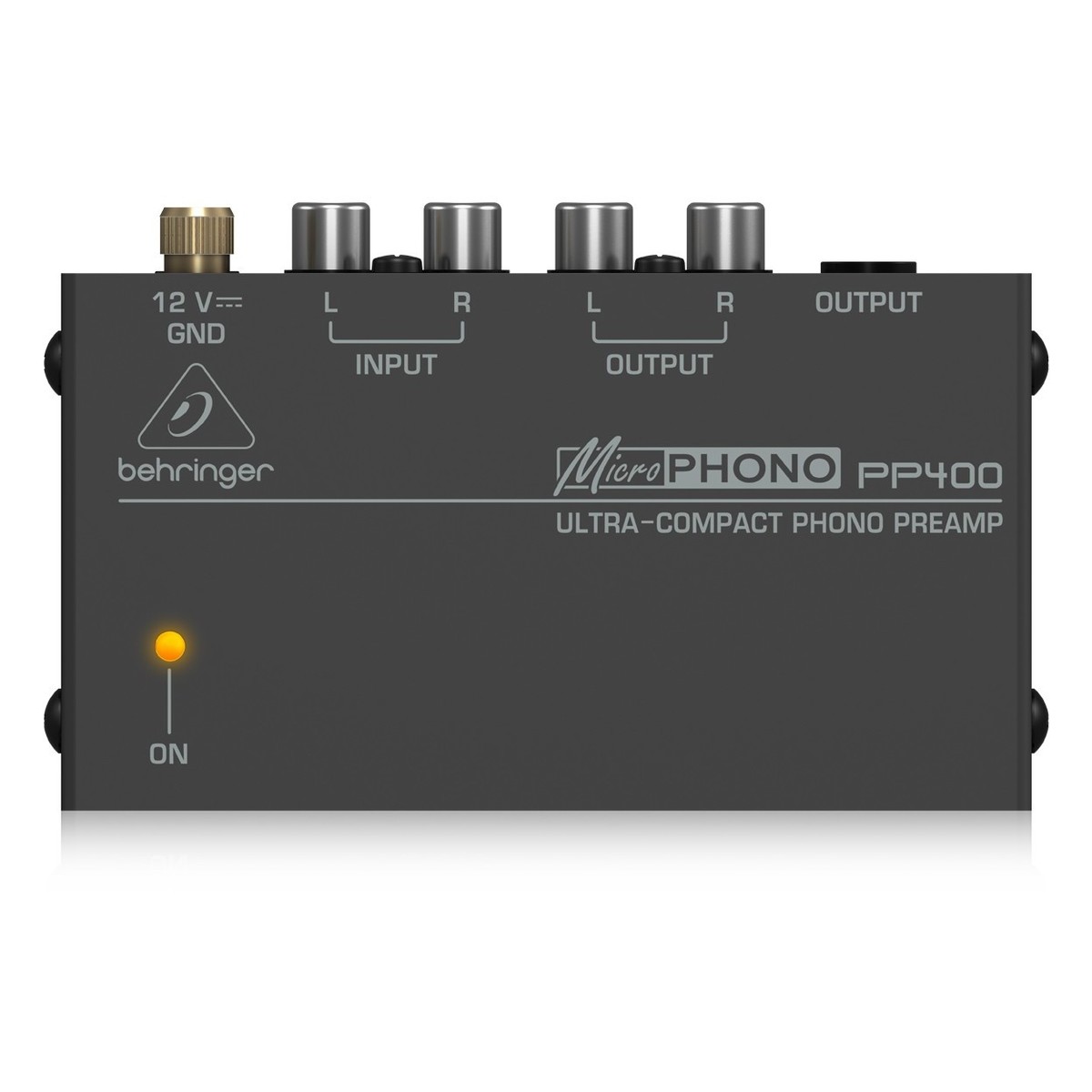
Behringer PP400 Microphono Phono Preamp
 £159.00 ($202)
Peavey
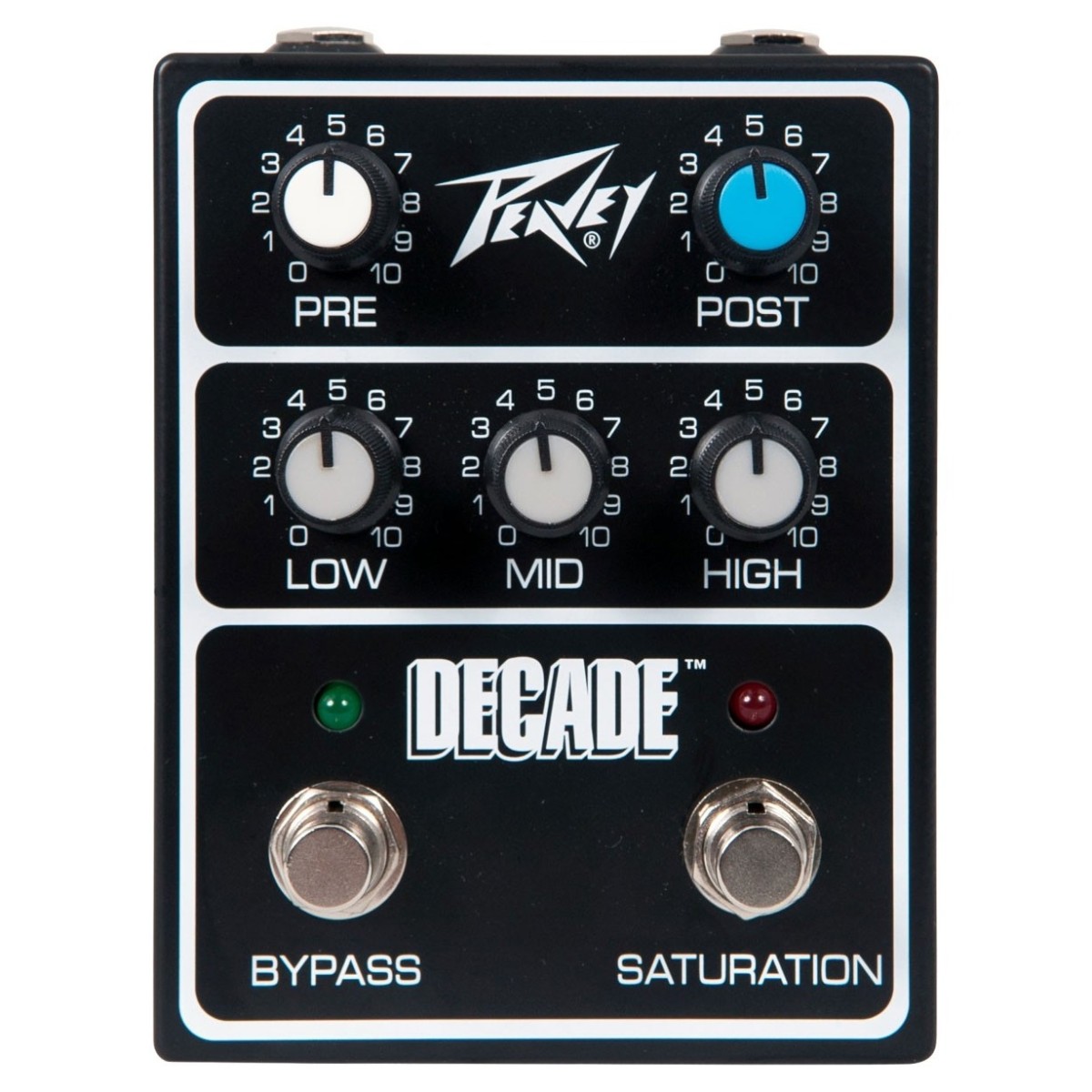
Peavey Decade Preamp Pedal
 £90.10 ($114)
sE Electronics
sE Electronics DM2 TNT Active Inline Preamp
 £149.00 ($189)
Boss
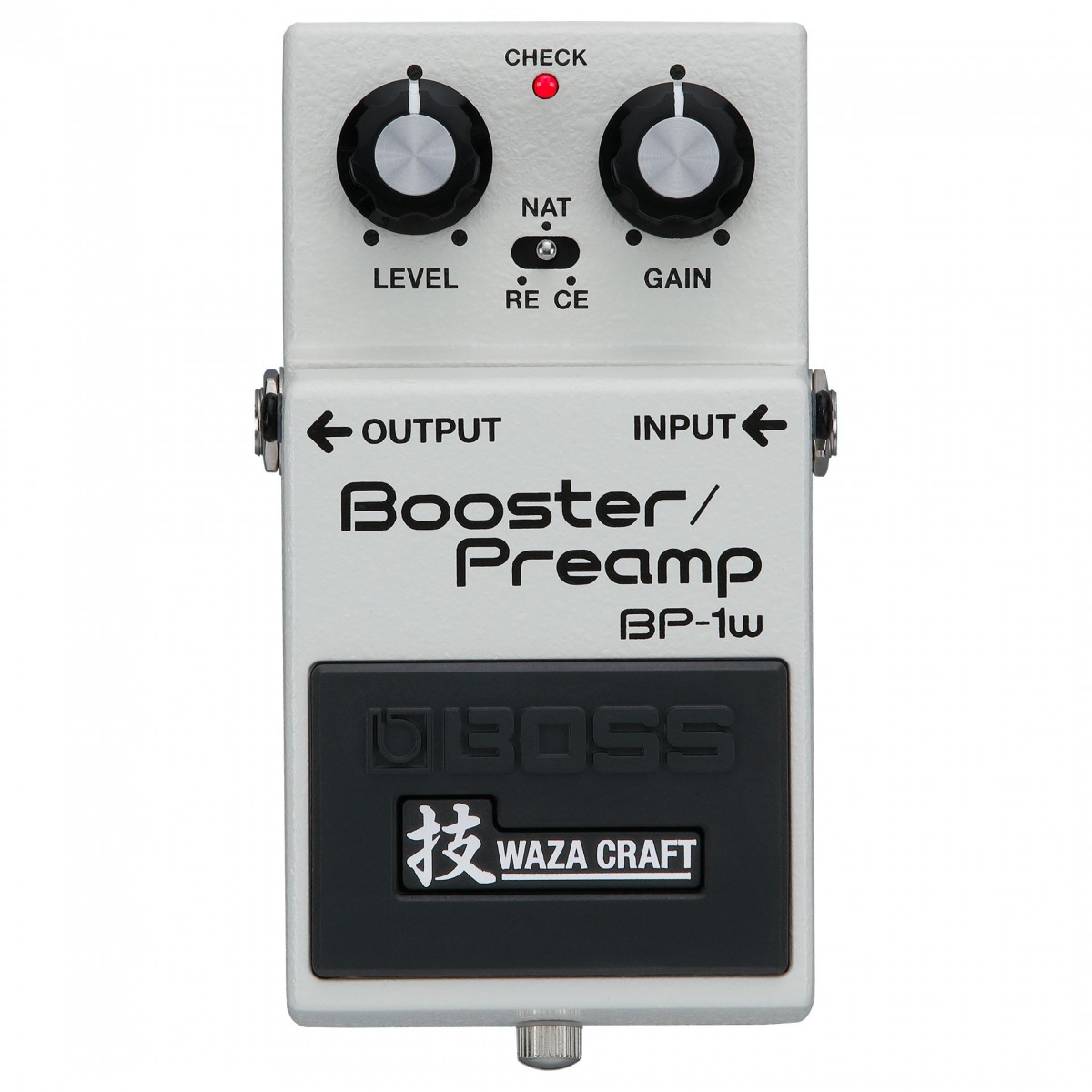
Boss BP-1W Waza Craft Booster/Preamp Pedal
Frequently asked questions
- What is the primary function of the FetHead Phantom?
- It provides a clean 18dB gain boost to condenser microphones, allowing for higher signal levels without the noise associated with gain-heavy preamps.
- Does this device require a battery?
- No, it is powered by standard 48V phantom power from your audio interface or mixing console.
- Can it be used with dynamic microphones?
- While it can provide gain, it is specifically designed to pass through phantom power to condenser microphones; for dynamic or ribbon mics, the standard FetHead is usually preferred.
- Will the FetHead Phantom damage my microphone?
- No, it is designed to safely pass through phantom power to microphones that require it while protecting the signal path.
- How much gain does the FetHead Phantom provide?
- It provides a fixed boost of approximately 18 decibels (dB) of clean gain.
- Is the device suitable for live performance?
- Yes, its rugged chassis is built to withstand the rigours of stage use as well as studio recording.
- Where should the FetHead be placed in the signal chain?
- It should be connected between the microphone and the XLR cable, or directly into the microphone's XLR output.
- Does it improve the sound quality of a microphone?
- It helps maintain signal purity by preventing the need for high gain settings on lower-quality preamps, which reduces hiss and noise floor issues.
- How does it compare to the sE Electronics DM2 TNT?
- Both serve as in-line active preamps, but the FetHead Phantom focuses on a specific 18dB lift and 48V pass-through specifically for condenser mics.
- Is the FetHead Phantom compatible with all XLR cables?
- Yes, it uses standard 3-pin XLR connectors found in professional audio equipment.
- Does it require any software for operation?
- No, it is a hardware-only device that functions entirely through analogue circuitry.
- What is the typical price for a FetHead Phantom?
- The typical price is approximately GBP 65, making it a cost-effective alternative to purchasing a new high-end preamp.