
John Lee Hooker
John Lee Hooker
1948–2001 · In memoriam
John Lee Hooker's distinctive boogie-woogie blues became a cornerstone of American music. Born in Coahoma County, Mississippi, in 1917, he emerged from the Delta blues tradition, shaped by his stepfather, William Moore, a local bluesman. Hooker moved to Detroit in the 1940s, and his recording career began in 1948 with the seminal hit "Boogie Chillen'," which showcased his hypnotic, rhythmic guitar playing and guttural vocals. He quickly established himself as a singular force in blues, bridging the raw earthiness of Delta blues with the amplified energy of electric blues. His sound was characterized by its driving, percussive guitar riffs, often played on his trusty Epiphone or Gibson electric guitars, which he used to create a raw, unpolished, and deeply personal sonic landscape. Hooker's improvisational style and refusal to adhere to conventional song structures made his music instantly recognizable. Throughout his prolific career, which spanned over five decades until his passing in 2001, he released numerous influential albums like *Boogie Chillen'* and *The Healer*, collaborating with a diverse range of artists and earning a place in the Rock and Roll Hall of Fame.
Gear
Epiphone
The Boogie Man Sheraton JLH Model
guitar
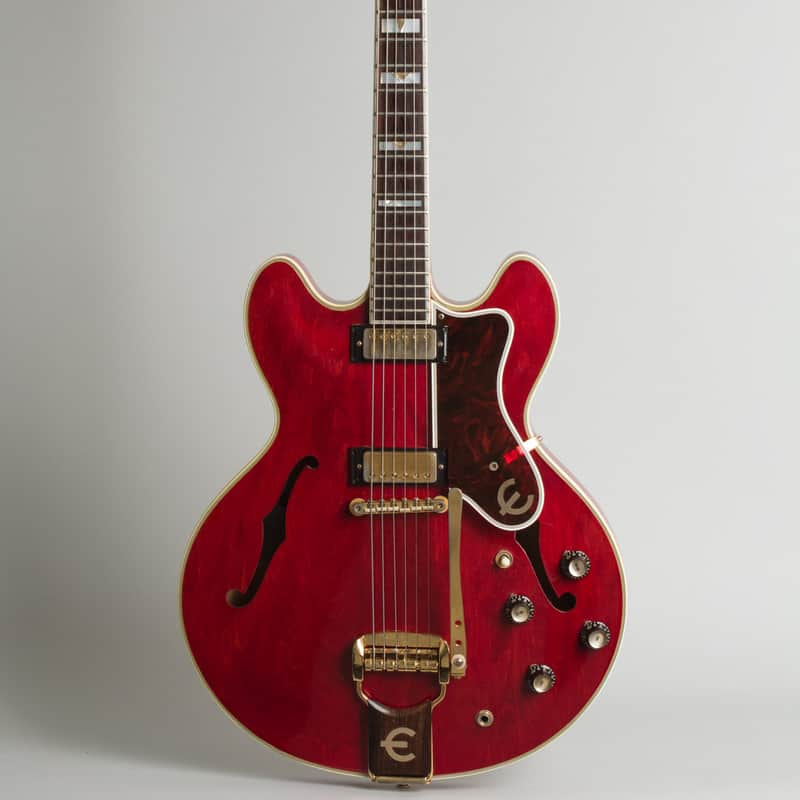
Epiphone
Sheraton E212T
guitar
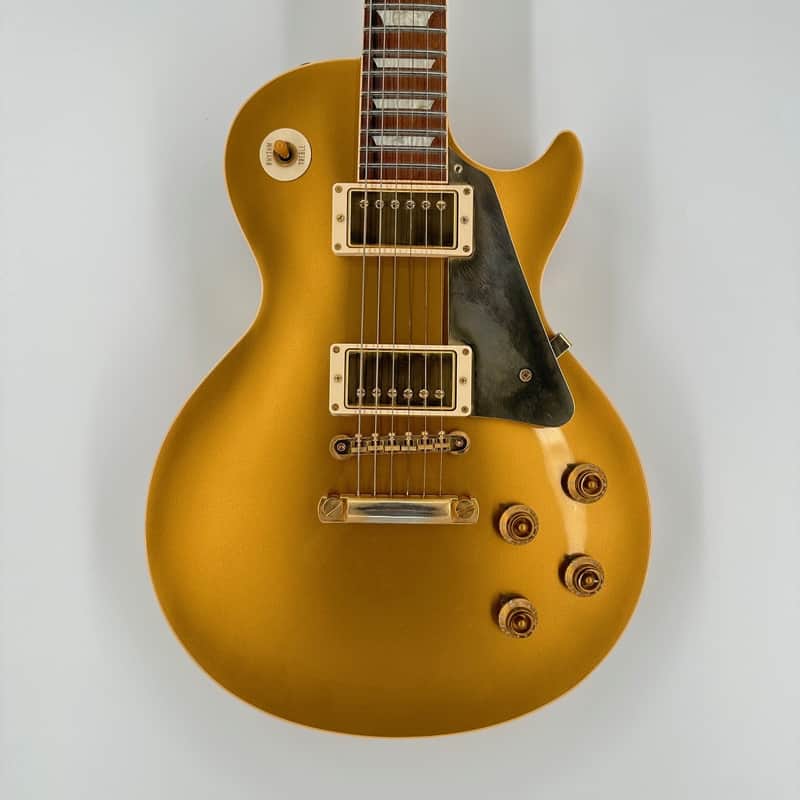
Gibson
Les Paul Goldtop
guitar
Gibson
ES-330 Electric Guitar
guitar
Fender
Silverface Twin Reverb (1972-1976)
amp
Gibson
GA-25RVT Hawk Amplifier
amp
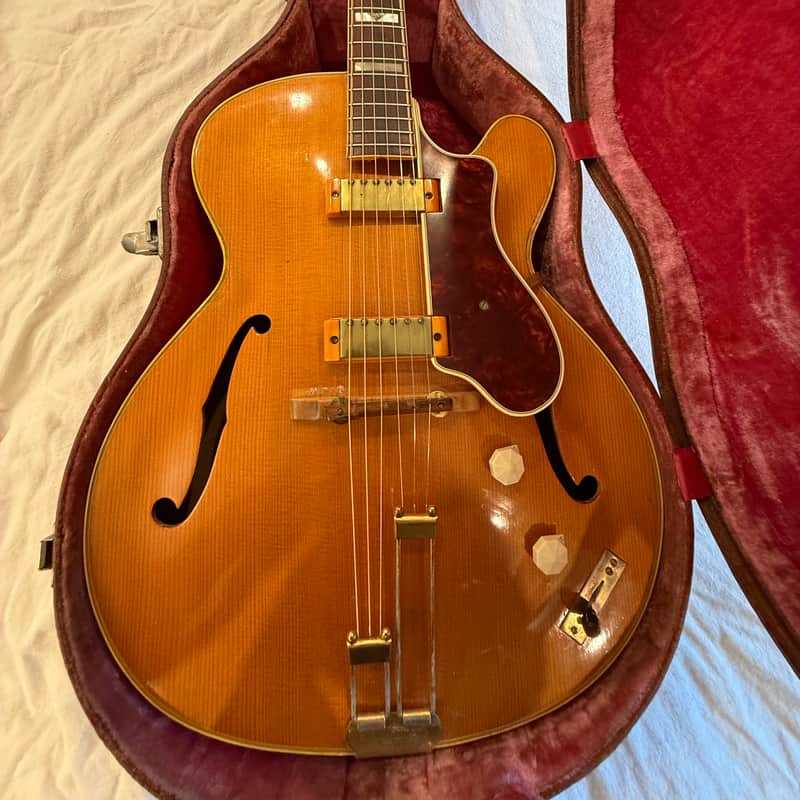
Epiphone
Zephyr
guitar
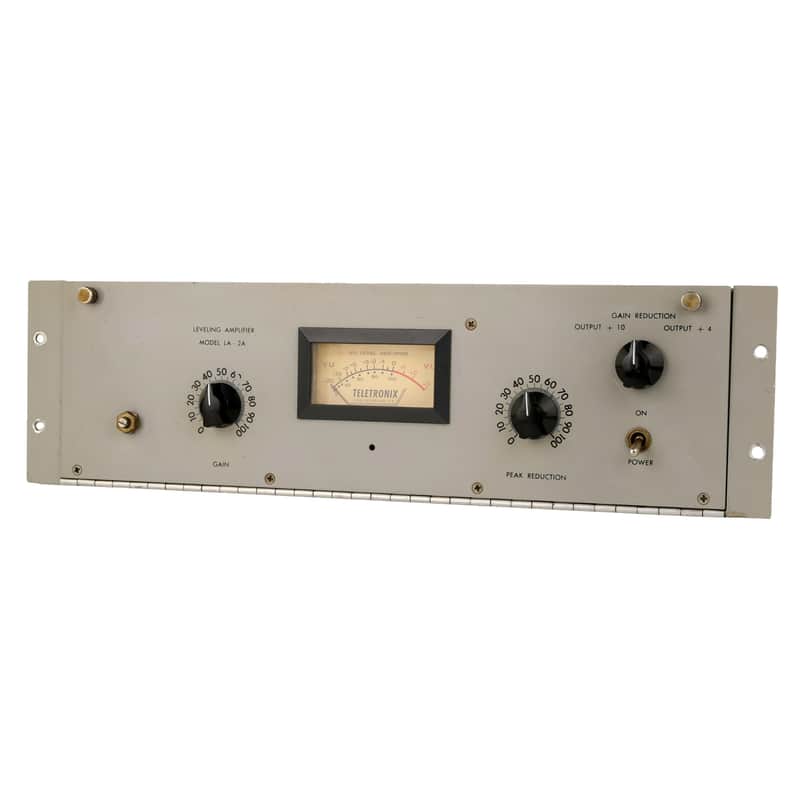
Teletronix
LA-2A Leveling Amplifier
studio
Gibson
B.B. King Lucille Semi-Hollow Guitar
guitar

Goya
Goya
guitar

Harmony
Monterey
guitar