
Article
David Gilmour's gear: the instruments behind their career
David Gilmour is a pivotal figure in Progressive Rock and Psychedelic Rock, known for his atmospheric textures and expressive soloing. His sound is defined by a meticulous combination of high-gain sustain and precise signal capture, shaping the sonic landscape of Pink Floyd.
Joining Pink Floyd
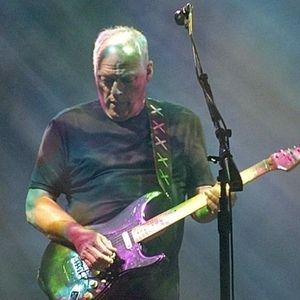
David Gilmour joined Pink Floyd in 1968, stepping into the role of guitarist and co-lead vocalist just before the departure of Syd Barrett. As the band transitioned from early Psychedelic Rock toward more complex Progressive Rock and Art Rock structures, Gilmour's approach to gear became central to their evolving sound. His technique relies on a specific tactile response, often facilitated by Dunlop Herco Flex 75 Nylon 1.01mm Guitar Picks, which provide the necessary grip and flexibility for his nuanced lead lines.
Saturation and Sustain
A cornerstone of the Gilmour sound is his use of heavy saturation to achieve long, singing sustain during solos. The Electro-Harmonix Big Muff [pedal] is perhaps his most iconic effect, used to create the thick, violin-like distortion heard on numerous classic recordings. In addition to this vintage fuzz, Gilmour has utilised the Boss HM-2 Heavy Metal pedal. While often associated with heavier genres, in Gilmour's rig, it provides a unique mid-range texture and compression that complements his Blues Rock influences.
Studio and Capture
To translate his elaborate guitar tones to tape, the choice of microphone is critical. The Sennheiser MD 409 N has been a recurring tool in his setup for capturing amplifier cabinets. This microphone is valued for its ability to handle high sound pressure levels while maintaining a natural, smooth frequency response, ensuring the detail of his effects chain is preserved in the mix.
Production and Electronic Elements
Beyond his work as a guitarist, Gilmour's role as a record producer has seen him incorporate various electronic tools into the studio environment. Though primarily a guitarist, his explorations into Electronic and Pop genres have involved the use of rhythm modules like the Alesis D4 [drums]. This rack-mounted unit allowed for the integration of digital percussion sounds, reflecting the broader experimentation found in the band's later Progressive Rock outputs.
Artists who have used this item
Frequently asked questions
- When did David Gilmour join Pink Floyd?
- He joined the band in 1968 as a guitarist and co-lead vocalist.
- Which plectrum does David Gilmour use?
- He uses **Dunlop Herco Flex 75 Nylon 1.01mm Guitar Picks**.
- What is David Gilmour's primary distortion pedal?
- He is well known for using the **Electro-Harmonix Big Muff [pedal]** to achieve his signature sustain.
- Has David Gilmour used gear typically associated with Metal?
- Yes, he has used the **Boss HM-2 Heavy Metal** pedal to shape his guitar tones.
- What microphone is used to record David Gilmour's guitar cabinets?
- The **Sennheiser MD 409 N** is a notable microphone used for capturing his guitar sound.
- Does David Gilmour use any electronic drum modules?
- Yes, the **Alesis D4 [drums]** has been part of his gear repertoire.
- What genres is David Gilmour associated with?
- His work spans Rock, Progressive Rock, Psychedelic Rock, Art Rock, Blues Rock, Folk, World, & Country, and Electronic music.
- Whom did David Gilmour replace in Pink Floyd?
- He joined shortly before the departure of founding member Syd Barrett.
- Is David Gilmour still active in the music industry?
- Yes, his status is currently listed as active.
- What roles did David Gilmour hold in Pink Floyd?
- He was a member, guitarist, co-lead vocalist, and record producer.
Last updated: