
Gear article
Strymon Deco Plugin
The Strymon Deco Plugin is a high-fidelity digital emulation of vintage studio tape machines, designed to recreate the specific workflow and sonic characteristics of open-reel recording. It is unique for its accurate replication of the speed and timing relationship between two tape decks working in tandem, enabling authentic double-tracking, flanging, and chorus effects.

Overview
The Strymon Deco Plugin is a software recreation of the brand's popular hardware pedal, designed to bring the warmth and versatility of vintage tape decks to the Digital Audio Workstation (DAW). Unlike standard tape emulations that focus solely on harmonic saturation, the Deco focuses on the 'forgotten art' of tape manipulation. It operates by simulating two distinct tape decks working together, allowing users to achieve mechanical-based effects that defined the sound of early recording studios like Abbey Road and Sun Studios.
History and Background
Strymon originally established the Deco as a hardware effects pedal, gaining widespread acclaim for its ability to produce transparent saturation and authentic double-tracking. The software plugin version was developed to provide these specific studio workflows directly within a mixing environment. The development focus remained on the physics of tape speed and the interactive relationship between a 'Reference' deck and a 'Lag' deck, a technique pioneered in the mid-20th century to create spatial and temporal modulation.
Technical Features and Workflow
The Deco plugin is divided into two distinct sides that interact with one another:
- Tape Saturation: This side provides the smooth, compressed, and harmonically rich sound associated with driving tape. It increases volume and adds grit while maintaining a natural, musical response.
- Doubletracker: This side introduces a second virtual tape deck. By adjusting the 'Lag Time,' the user can control the offset between the two decks. This creates a range of effects based on timing: at very short intervals, it produces phasing and flanging; at medium intervals, it creates chorus; and at longer intervals, it results in slapback echo and discrete double-tracking.
Sound Character
The sonic signature of the Deco is defined by its authenticity to mechanical tape movement. Because it simulates the physical relationship between two reels, the resulting flanging and chorus effects feel organic rather than synthetic. The saturation is described as transparent and warm, suitable for gluing a mix together or adding weight to individual tracks without the harshness often found in digital clipping.
Comparison to Alternatives
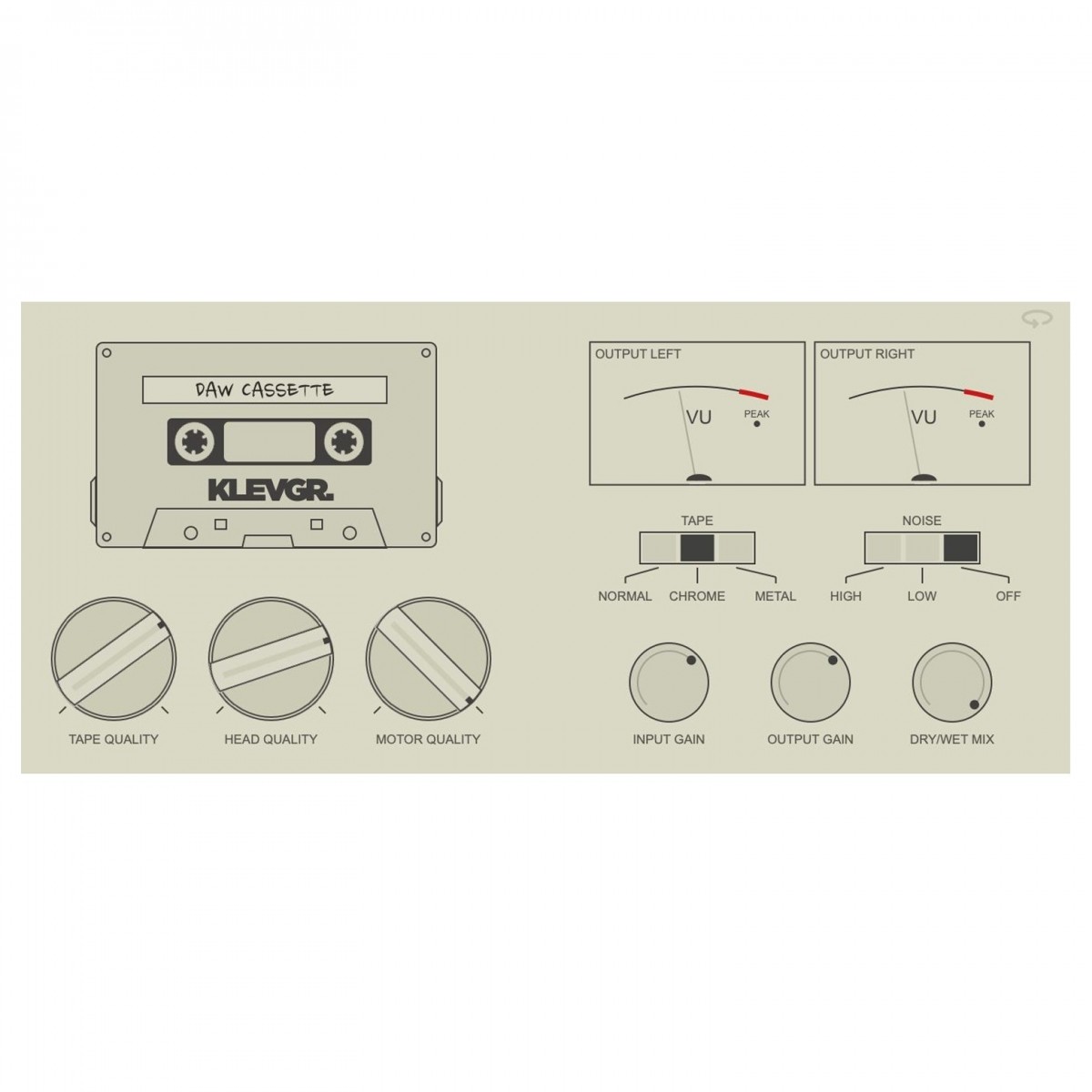
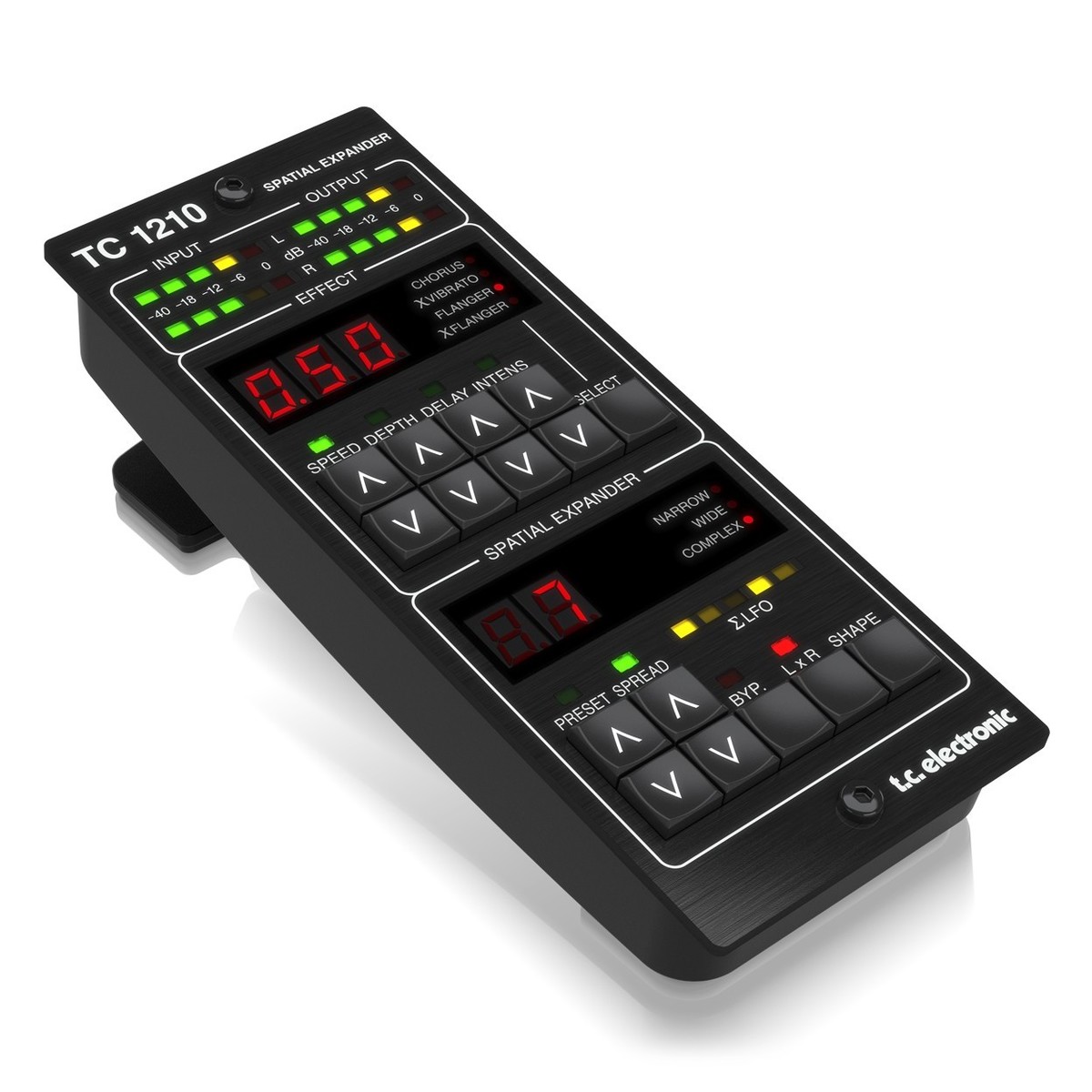
In the market of tape-based software, the Strymon Deco occupies a specific niche. While plugins like the Klevgrand DAW Cassette focus on the lo-fi aesthetic of consumer tape decks, and the EastWest The Dark Side provides broader sound design tools, the Deco is dedicated to professional open-reel studio techniques. Other spatial tools like the TC Electronic TC1210-DT offer modulation, but the Deco remains unique as the only software that specifically replicates the timed/speed relationship between dual decks to generate its effects.
Related gear
 €93.58
Hitnmix
RipX DAW
 €570.32
ICON
iCon P1-M USB MIDI DAW Controller
 €79.96
Eastwest
EastWest The Dark Side Plugin
 €64.66
Klevgrand
Klevgrand DAW Cassette - Tape Deck Emulation
 €222.25
LANDR
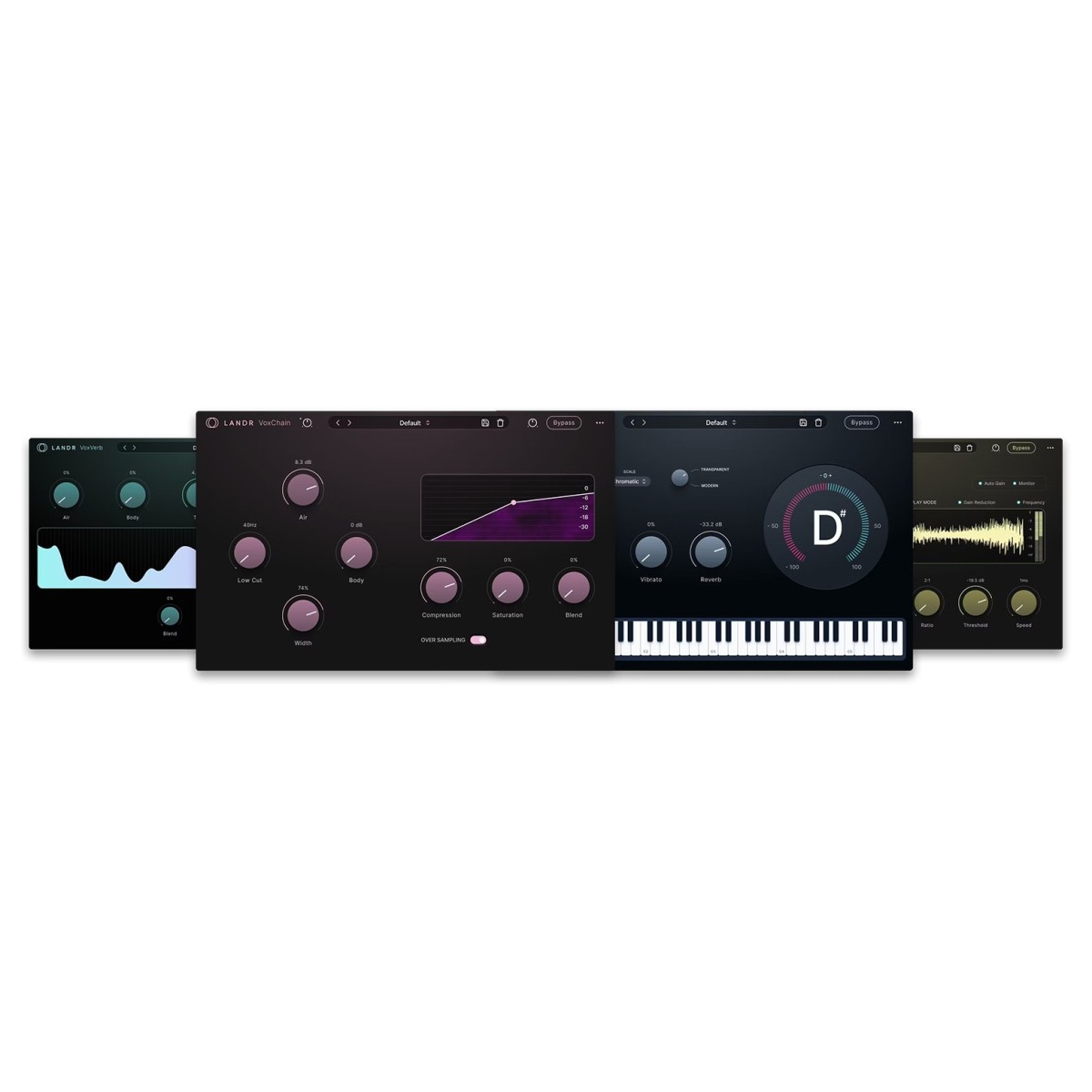
LANDR Vocal Plugin Bundle
 €85.84
TC Electronic
TC Electronic TC1210-DT Spatial Expander Plug-in with Controller
 €87.02
Garritan
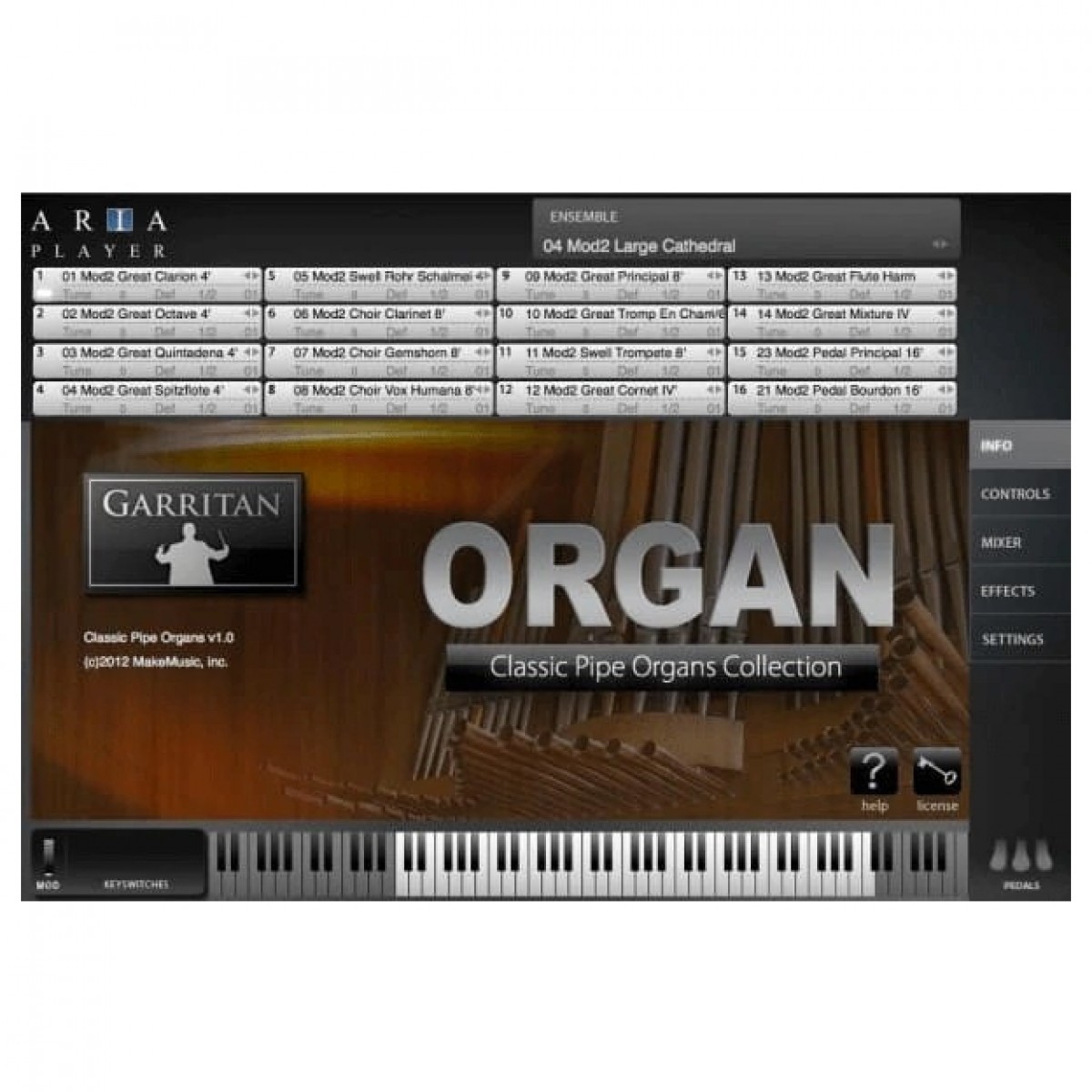
Garritan Classic Pipe Organs Plug-In
 €176.33
Rhodes
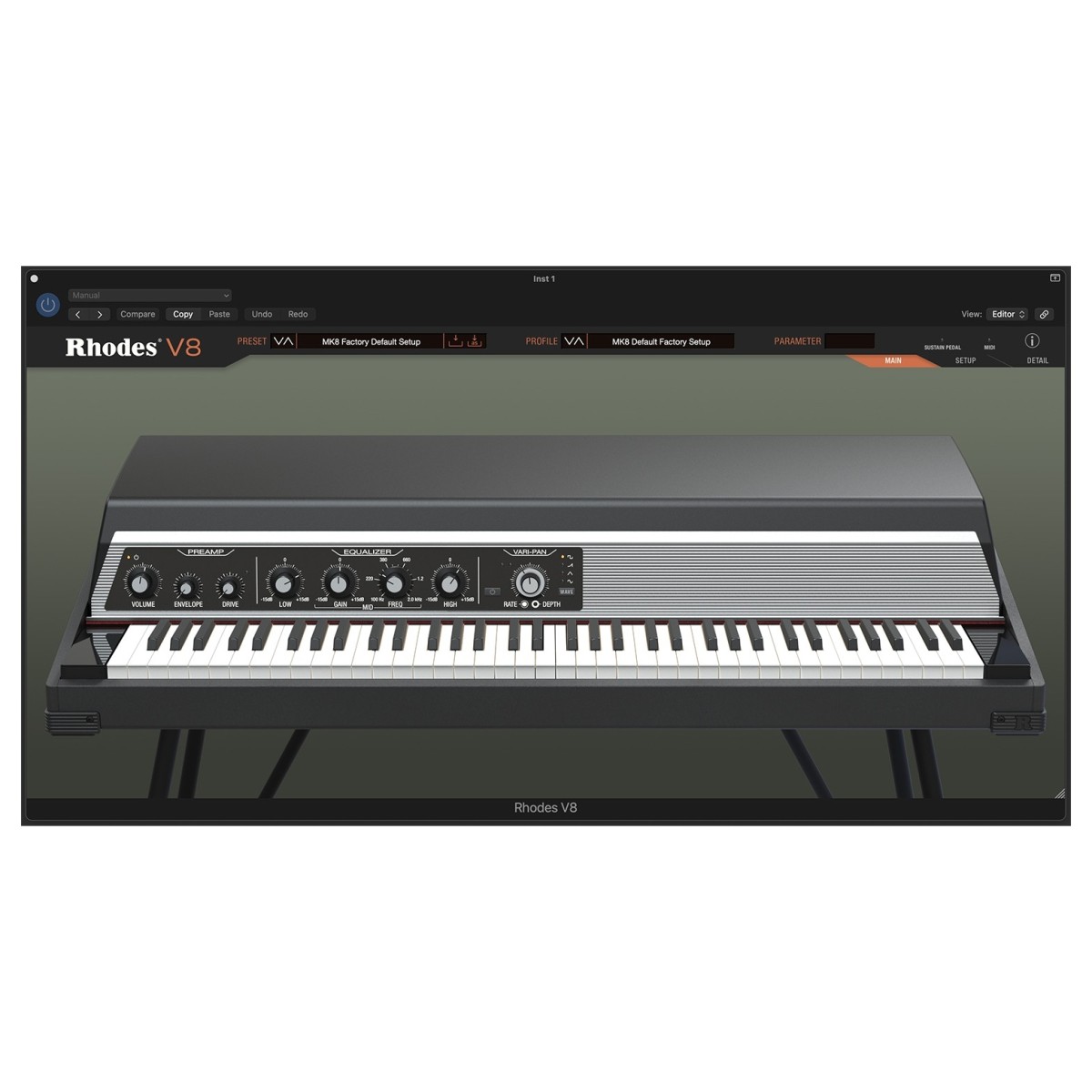
Rhodes V8 Plugin
Frequently asked questions
- What is the primary purpose of the Strymon Deco Plugin?
- The plugin is designed to emulate the sound and workflow of vintage studio tape machines. It specifically focuses on tape saturation and the interaction between two tape decks to create modulation effects.
- How does the Deco differ from standard tape saturation plugins?
- While most tape plugins only emulate the harmonic distortion of a single deck, the Deco replicates the speed relationship between two decks. This allows it to create authentic flanging, chorus, and echo through mechanical timing offsets.
- What are the two main sections of the plugin interface?
- The interface is divided into the Tape Saturation side and the Doubletracker side. These can be used independently or combined to process the audio signal.
- What kind of effects can the Doubletracker side produce?
- Depending on the 'Lag Time' setting, the Doubletracker can produce tape phasing, zero-through flanging, lush chorus, slapback echo, and double-tracking.
- Which famous studios influenced the design of the Deco?
- The plugin's effects are inspired by the early recording techniques used at iconic locations such as Sun Studios and Abbey Road. These studios were pioneers in using multiple tape decks for creative effects.
- Is the Strymon Deco suitable for mixing and mastering?
- Yes, its transparent tape saturation is often used on the master bus to 'glue' a mix together. The Doubletracker side is also highly effective for adding width and character to individual vocal or instrument tracks.
- What is the typical price for the Strymon Deco Plugin?
- The plugin typically retails for approximately £67.00. This price point makes it an accessible entry into the Strymon ecosystem for DAW users.
- Can the Deco plugin achieve 'Zero-Through' flanging?
- Yes, because it emulates two tape decks, it can accurately replicate the effect where the lag deck 'crosses over' the reference deck. This results in the classic 'zero-through' flanging sound found on vintage recordings.
- Does the plugin require specific hardware controllers?
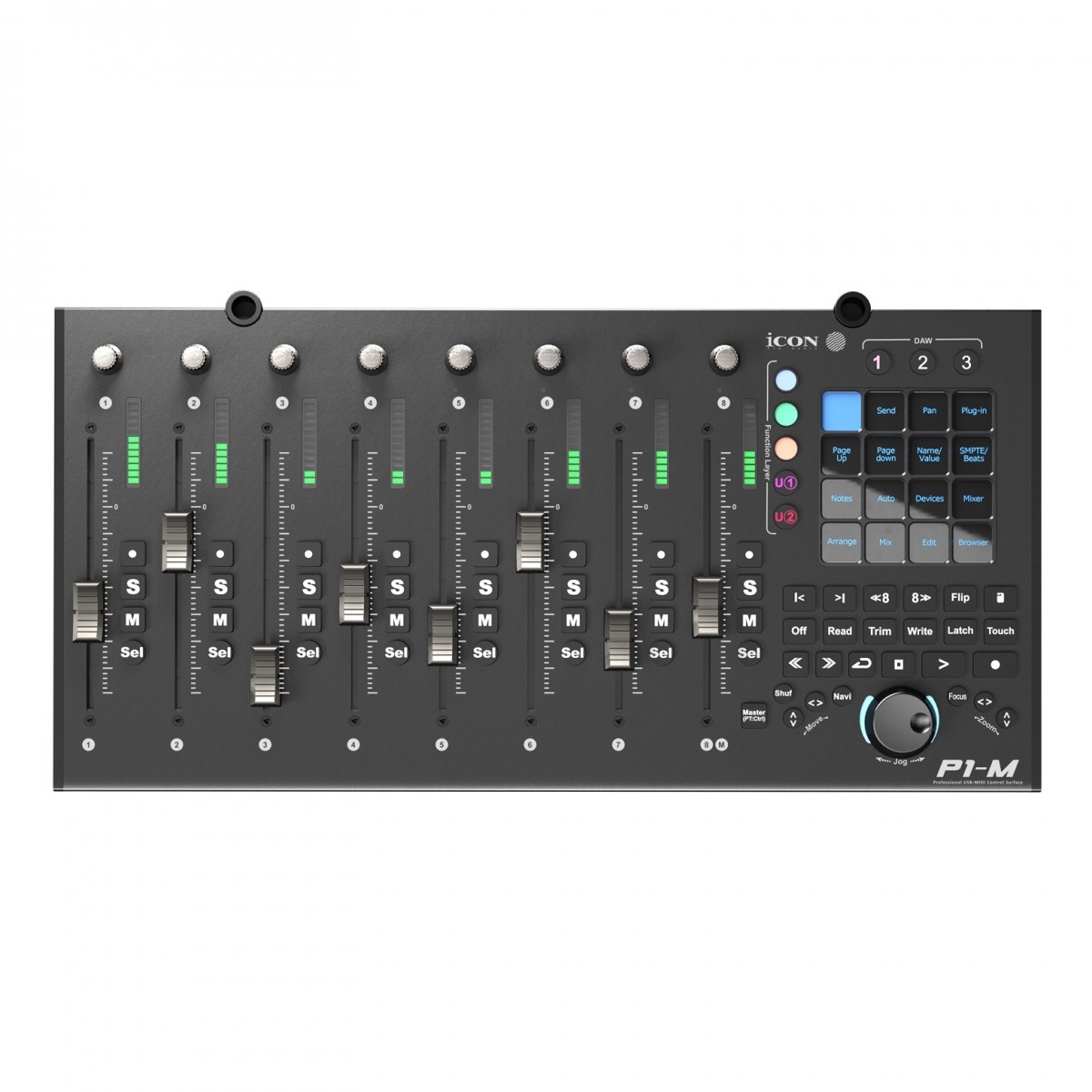
- No, the Deco is a standalone software plugin that can be controlled via a mouse or standard MIDI controllers. However, users of devices like the ICON P1-M can map the plugin parameters for tactile control.
- How does the saturation character change as you increase the gain?
- The saturation starts as a subtle warmth and thickening of the signal. As the control is turned up, it moves into a rich, compressed distortion that remains musical and reminiscent of overdriven tape heads.
- Who is the ideal user for the Strymon Deco Plugin?
- It is ideal for producers and engineers seeking vintage warmth and authentic modulation. It suits those who prefer a streamlined, intuitive interface over complex, menu-heavy tape simulations.
- How does it compare to the Rhodes V8 or Garritan plugins?
- The Rhodes V8 and Garritan Classic Pipe Organs are instrument emulations, whereas the Deco is a signal processor. The Deco is used to treat the sound of such instruments by adding tape-based texture and spatial depth.
Sources
Last updated: