
Article
The Weeknd's gear: the instruments behind their career
The Weeknd utilizes a sophisticated blend of vintage synthesis and modern digital production to craft his distinct fusion of alternative R&B and new wave. As a singer, keyboardist, and producer, his sound relies on high-end vocal chains and complex textural layering.

Vocal Recording and Processing
Central to The Weeknd's identity as a Canadian R&B singer is his vocal delivery, which is captured using industry-standard microphones. The Shure SM7B is a frequent choice for its ability to handle powerful vocal takes in a studio environment. For more detailed and nuanced recordings, the Neumann U67 condenser microphone provides the classic warm character found across his pop and R&B discography. In the mix stage, these vocals are often refined using Antares AutoTune EFX+ 10 for pitch correction and stylistic effects, while the API 560 graphic EQ is employed for precise tonal shaping.
Synthesizers and Sound Design
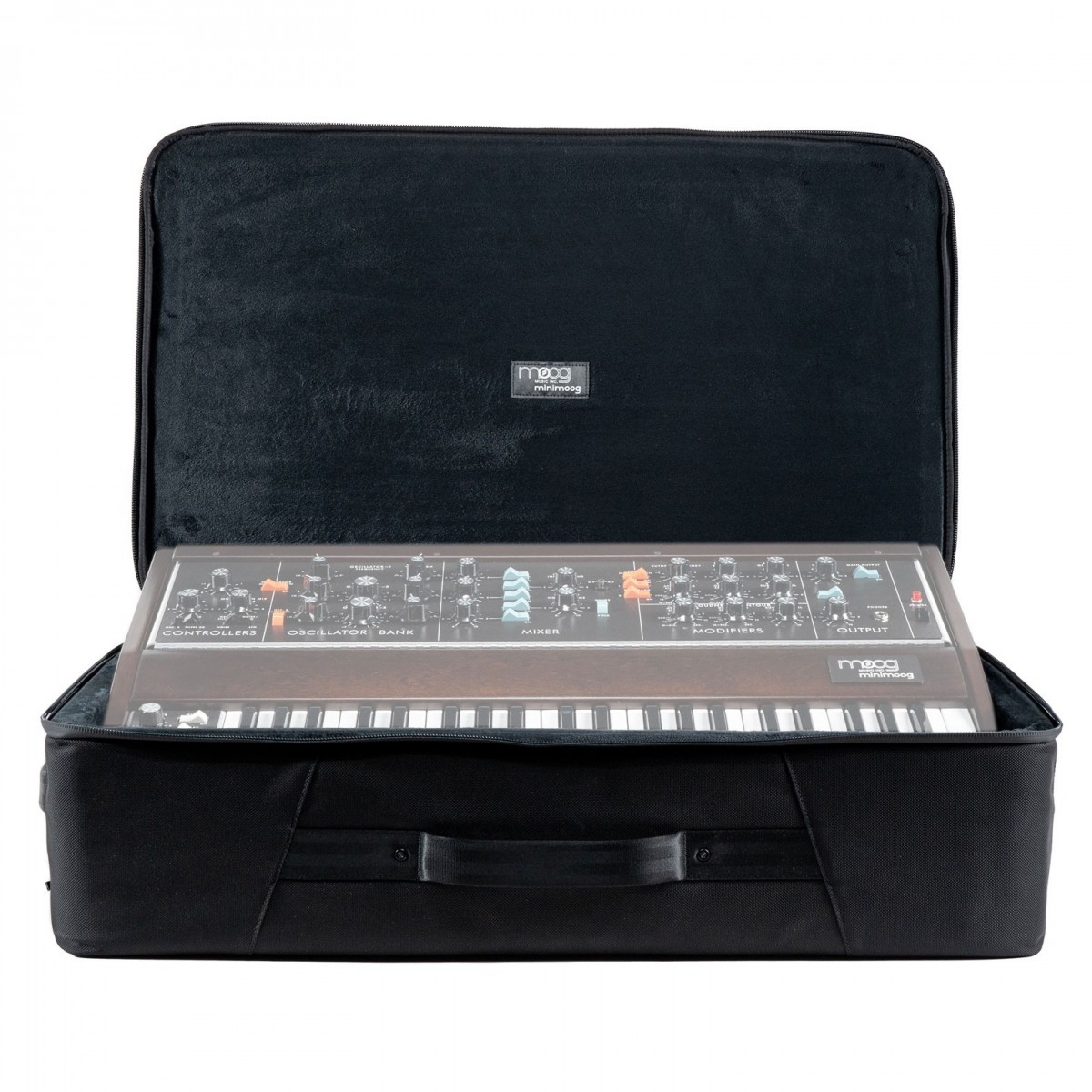
The Weeknd’s transition into electronic and new wave territories is supported by a collection of versatile hardware synthesizers. He utilizes the Moog Minimoog Model D, a staple for creating the deep, thick basslines and leads characteristic of alternative R&B. To bridge the gap between classic and modern sounds, he employs the Roland JD-XA Analog/Digital Crossover Synthesizer and the Roland System-8 Plug-Out Synthesizer, both of which allow for expansive sound design that defines his dream pop aesthetic.
Production Software and DAWs
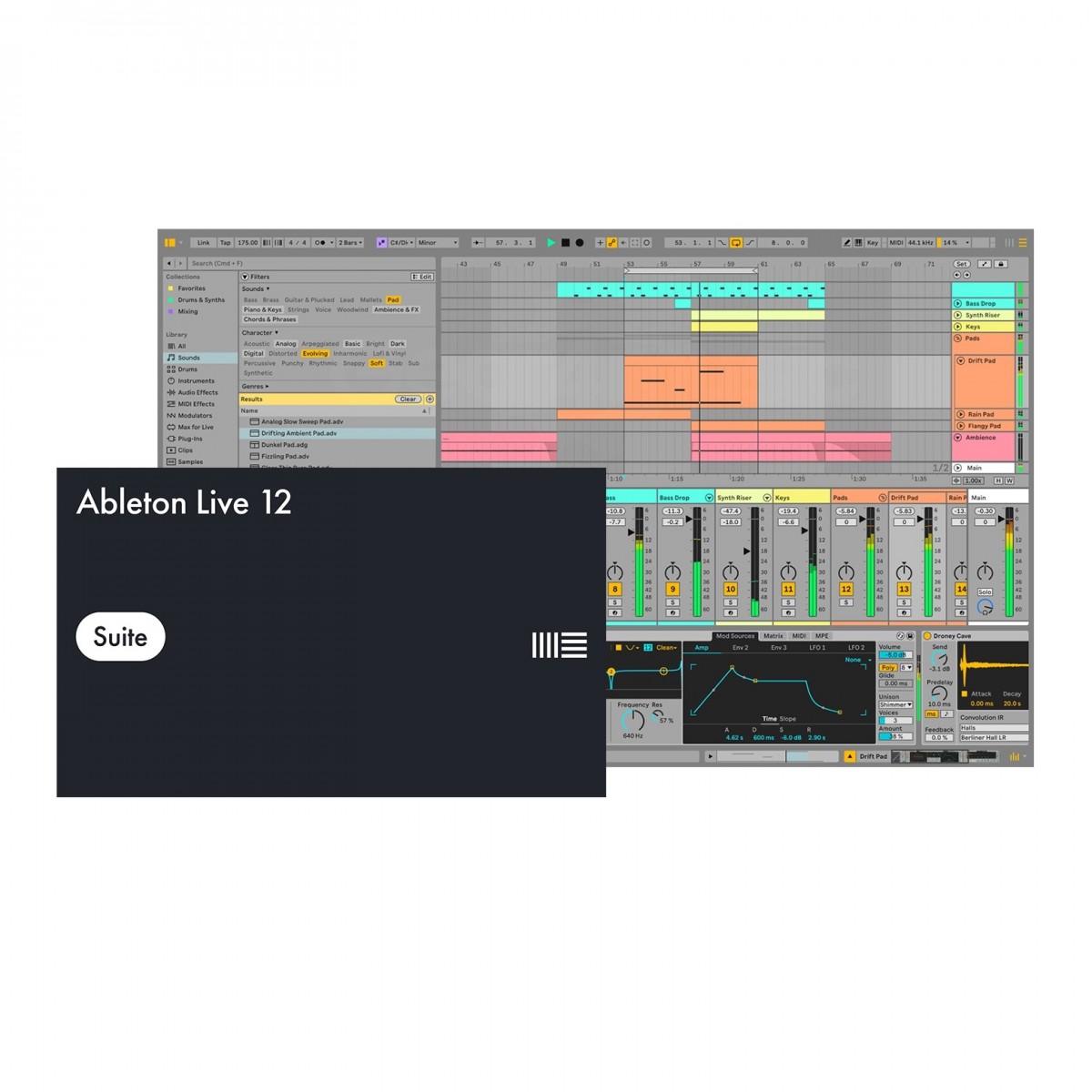
As a music producer and composer, The Weeknd manages his projects across multiple digital audio workstations. Ableton Live and its latest iteration, Ableton Live 12, are used for their flexible sequencing capabilities, essential for his electronic-leaning tracks. Additionally, Steinberg Cubase 15 is featured in his production workflow for comprehensive arrangement and recording tasks.
Effects and Textural Layers
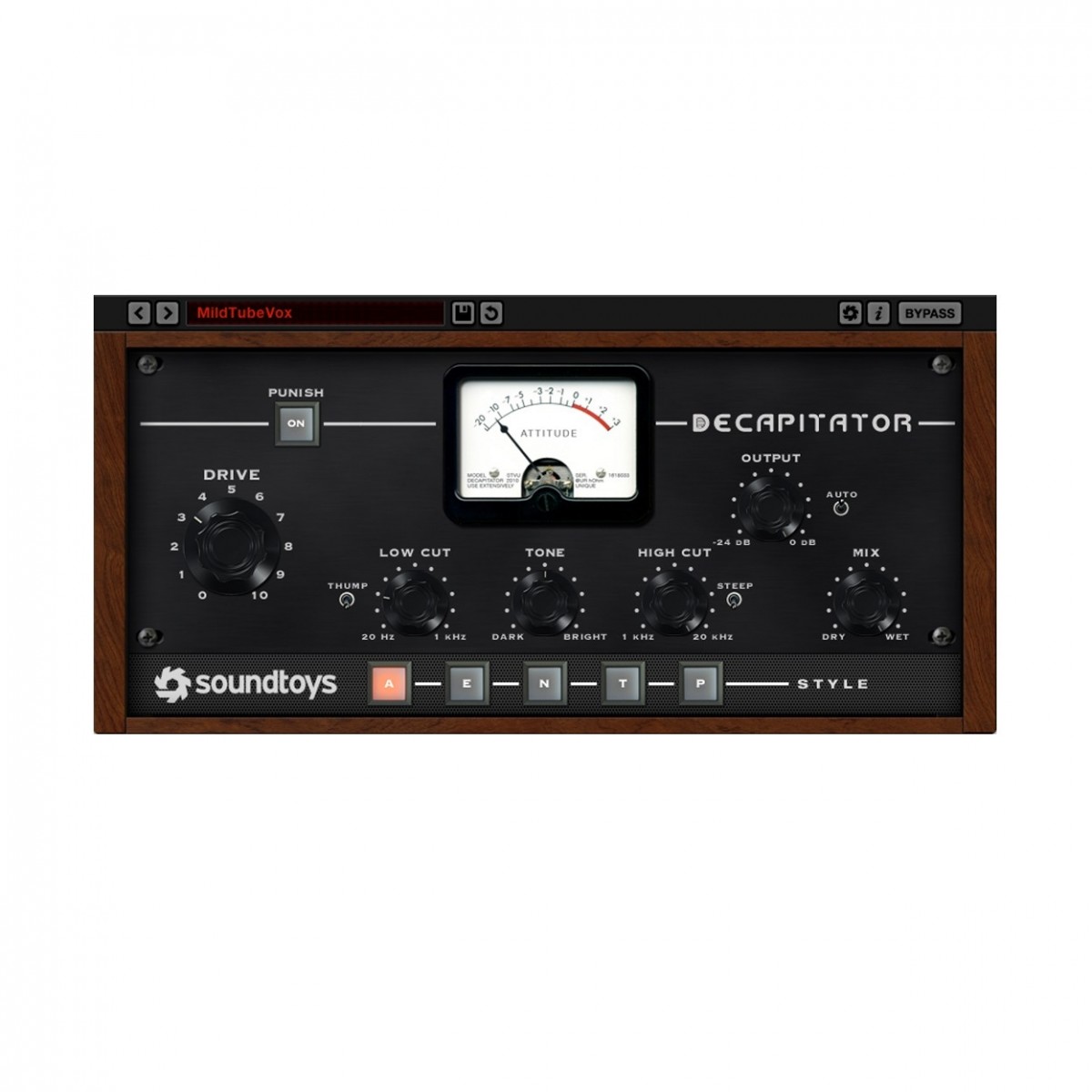
To achieve the gritty, atmospheric textures found in his more experimental tracks, The Weeknd incorporates software saturation tools. The Soundtoys Decapitator is used to add harmonic distortion and character to various instruments and vocal stems, helping to create the dark, moody ambiance synonymous with his brand of R&B.
Artists who have used this item
Related gear
Frequently asked questions
- What microphones does The Weeknd use for his vocals?
- The Weeknd uses the **Shure SM7B** and the **Neumann U67** to record his vocals.
- Which DAW does The Weeknd use for production?
- He uses **Ableton Live**, **Ableton Live 12**, and **Steinberg Cubase 15**.
- What synthesizer does The Weeknd use for bass and leads?
- He utilizes the **Moog Minimoog Model D** for these purposes.
- Does The Weeknd use any hardware by Roland?
- Yes, he uses the **Roland JD-XA Analog/Digital Crossover Synthesizer** and the **Roland System-8 Plug-Out Synthesizer**.
- How does The Weeknd achieve distortion in his mixes?
- He uses the **Soundtoys Decapitator** software plugin.
- What EQ hardware or software is mentioned in his setup?
- The **API 560** is used for equalisation.
- What software does The Weeknd use for vocal tuning?
- He uses **Antares AutoTune EFX+ 10**.
- Is The Weeknd involved in the production of his music?
- Yes, he is credited as a music producer and composer, using tools like **Ableton Live**.
- What genres is The Weeknd known for?
- His work spans R&B, Pop, Electronic, Alternative R&B, Dream Pop, and New Wave.
- What is the primary role of the Neumann U67 in his setup?
- The **Neumann U67** serves as a high-quality studio microphone for capturing his singing.
Last updated: