Gear article
Gibson Les Paul Standard 60s Double Trouble
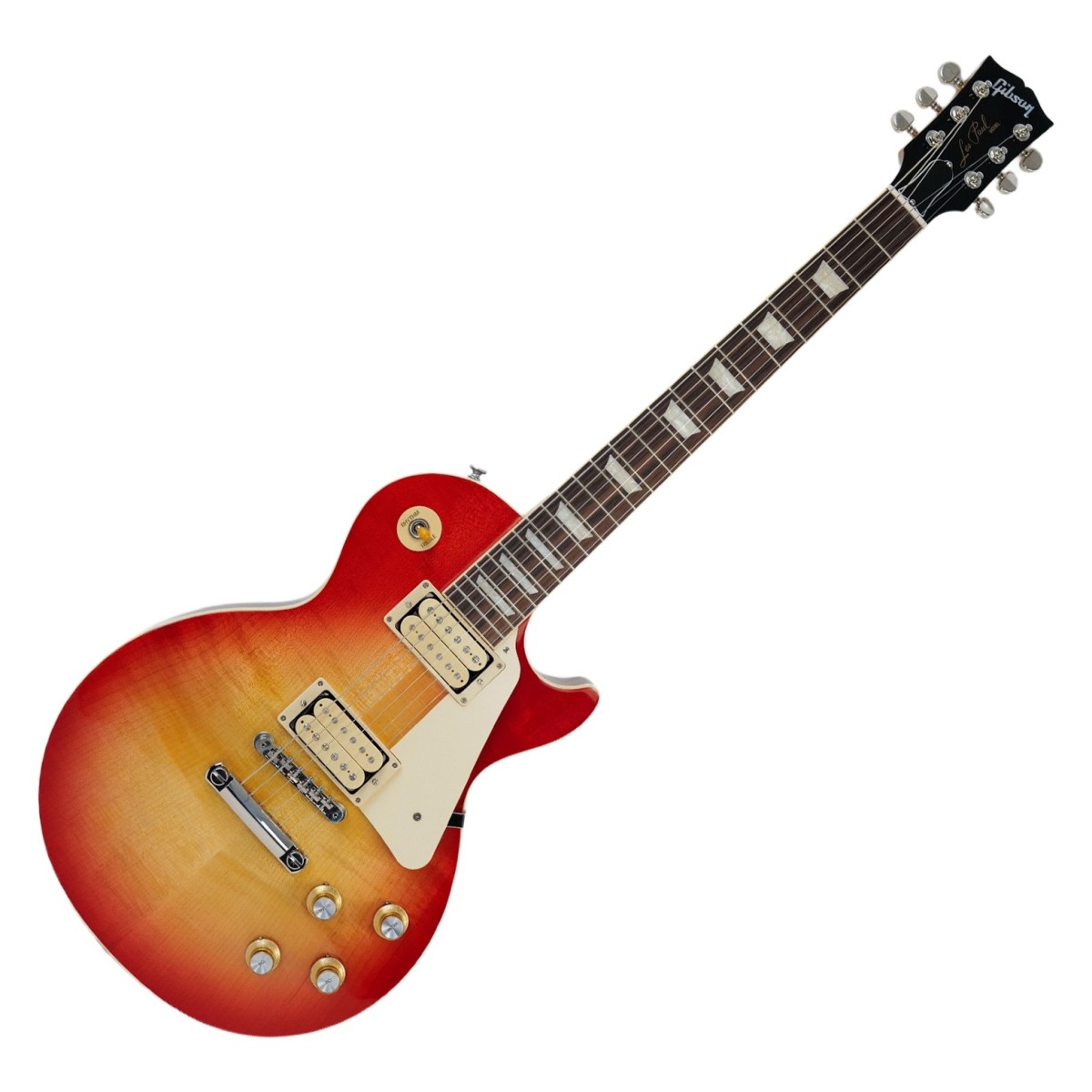
The Gibson Les Paul Standard 60s Double Trouble is a limited-edition electric guitar featuring a solid mahogany body, an AA figured maple top, and distinct 'Double Classic White' Burstbucker bobbins. Restricted to a production run of 500 units per finish, this model combines traditional 1960s specifications with a hand-sprayed Vintage Cherry Sunburst gloss finish designed to evoke natural ageing.
Background and Design
The Gibson Les Paul Standard 60s Double Trouble is a specialised iteration of the iconic Standard 60s platform. This limited-edition model, restricted to 500 units, is distinguished by its 'Double Trouble' visual theme, most notably the 'Double Classic White' exposed pickup bobbins. Unlike contemporary weight-relieved models, this guitar utilises a solid mahogany body to maintain historical resonance and sustain, topped with an AA figured maple cap.
The finish is a Vintage Cherry Sunburst applied in a high-gloss nitrocellulose lacquer. Each instrument is hand-sprayed, ensuring that the burst pattern is unique to the individual unit, specifically intended to mimic the appearance of vintage instruments that have undergone decades of natural wear.
Technical Specifications
Built to the specifications of the early 1960s era, the guitar features a mahogany neck with a SlimTaper profile. This neck shape provides a faster, thinner feel compared to the chunkier profiles found on 1950s-style Les Pauls. The electronics consist of hand-wired Burstbucker 61R and 61T humbucking pickups. These pickups are designed to replicate the Patent Applied For (PAF) tones of the era, offering a balanced output with a focus on clarity and vintage character.
Tonal Character
The combination of a non-weight-relieved mahogany body and Burstbucker 61 pickups results in a sound that is rich in sustain and harmonic depth. The 61R in the neck provides a warm, creamy response suitable for blues and jazz, while the 61T in the bridge offers a sharper, more aggressive bite for rock and lead playing. The hand-wired assembly ensures that the tonal nuances of the 'Double Classic White' pickups are preserved throughout the signal path.
Comparison to Alternatives
Within the Gibson catalogue, the Double Trouble sits alongside the Standard 50s range, such as the Les Paul Standard 50s P90 Tobacco Burst. While the 50s models offer thicker necks and different pickup configurations, the Double Trouble is geared toward players who prefer the ergonomic speed of a 60s SlimTaper neck and the visual flair of a limited-edition finish.
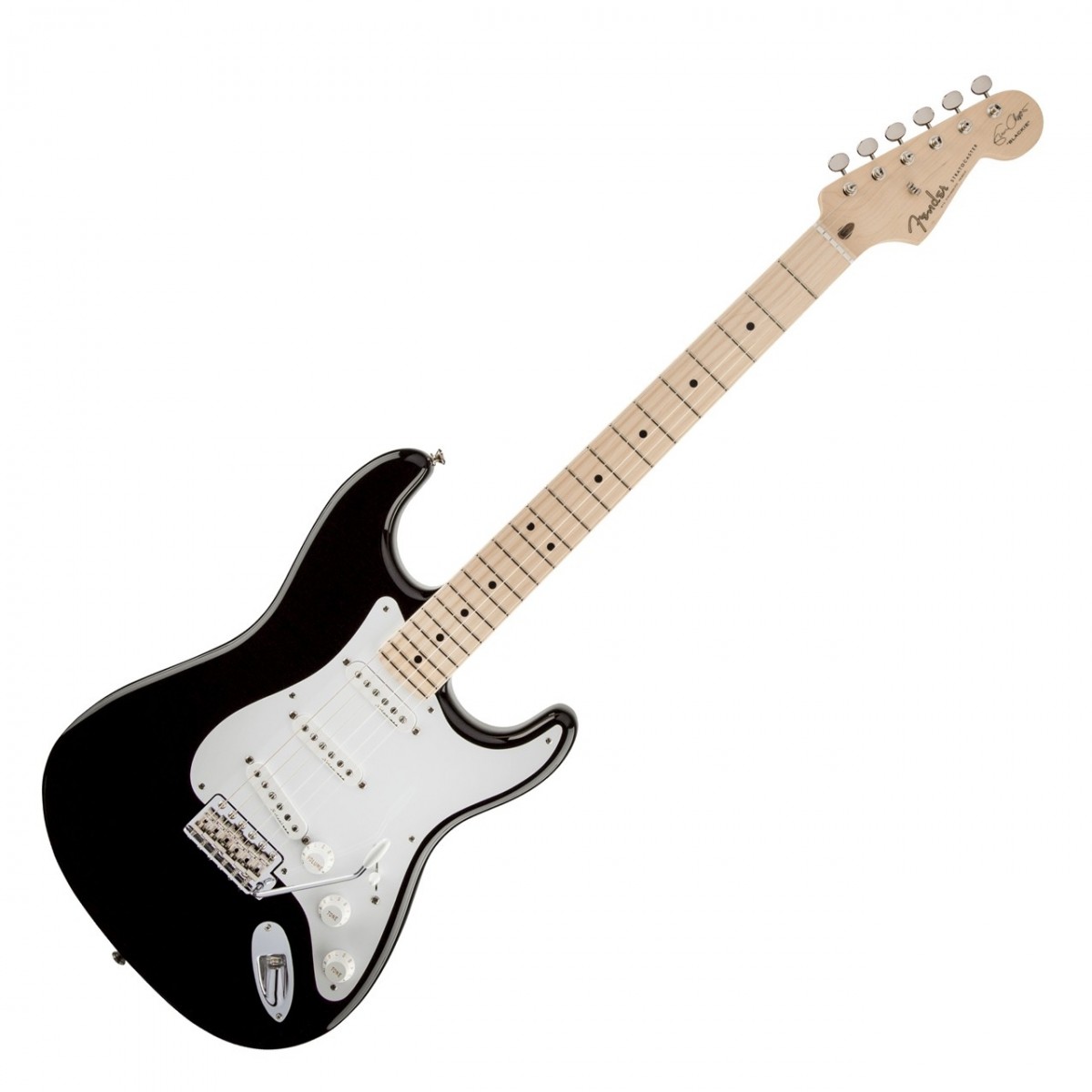
Compared to other high-end electric guitars like the Fender Special Edition Custom Telecaster FMT HH or the Fender Eric Clapton Stratocaster, the Les Paul Double Trouble offers a significantly heavier body and a shorter scale length, resulting in the characteristic 'thick' Les Paul sound that differs from the 'spank' of Fender single-coil instruments.
Artists who play it

Les Paul
Guitarist

John Lee Hooker
electric guitar

Mick Jagger
Singer

Taylor Swift
Singer

Guus Meeuwis
Guitarist
Paul McCartney
Singer
Andrew Taylor
Singer
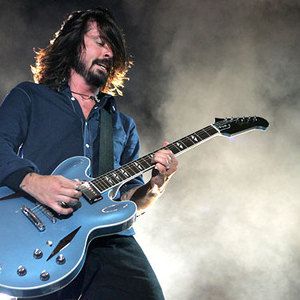
Dave Grohl
Guitarist
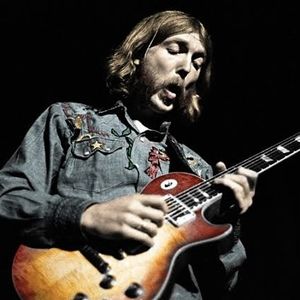
Duane Allman
Guitarist
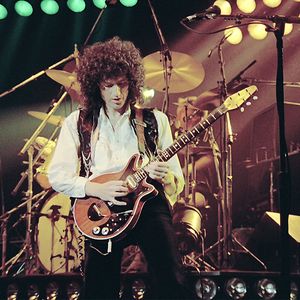
Brian May
Singer
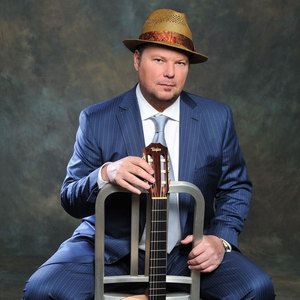
Christopher Cross
Singer-songwriter

Tom Morello
Guitarist

Eddie Vedder
Singer
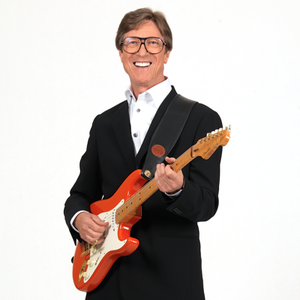
Hank Marvin
lead guitarist of The Shadows
Falco
vocals
Related gear
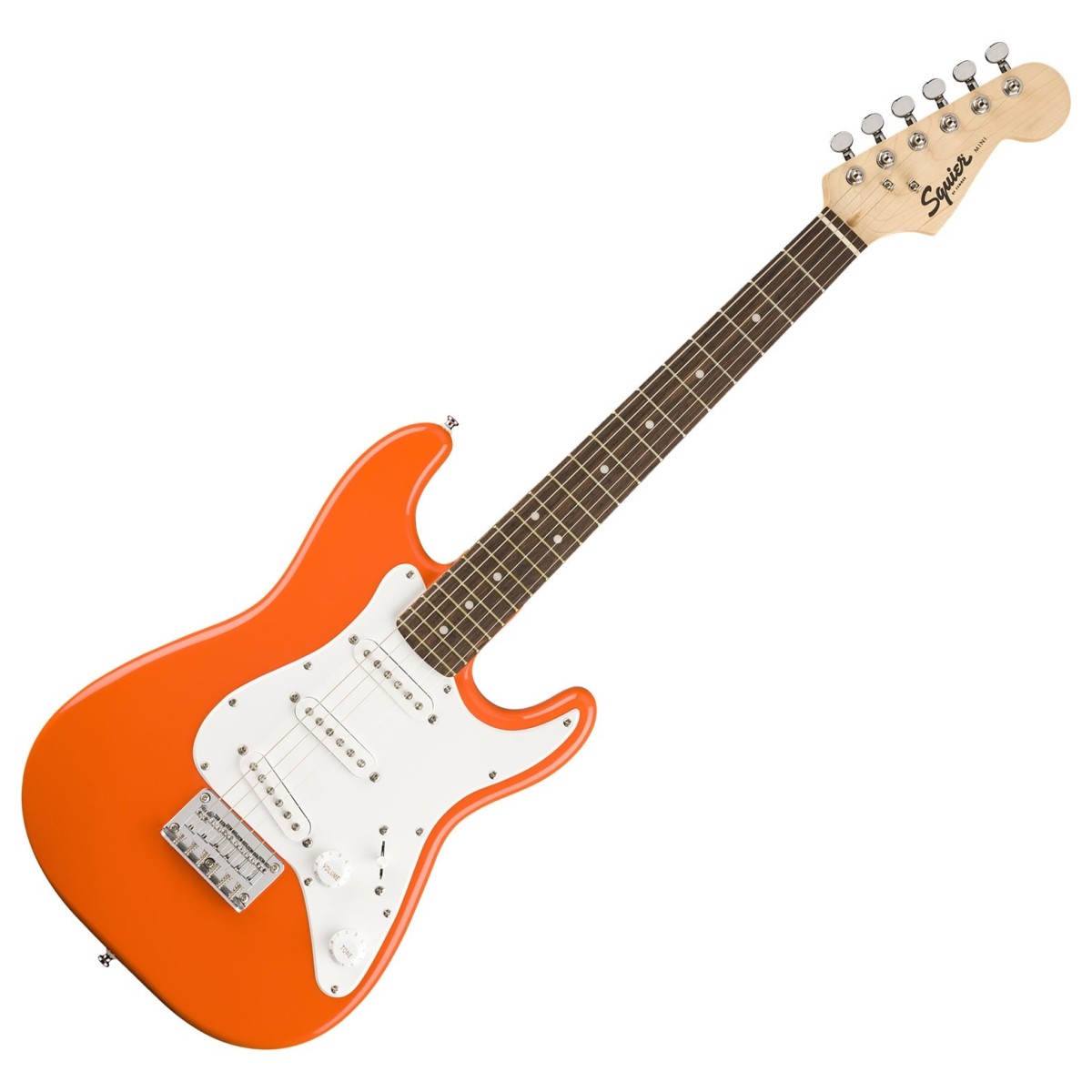 £159.00 ($202)
Squier
Squier Limited Edition Mini Stratocaster Competition Orange
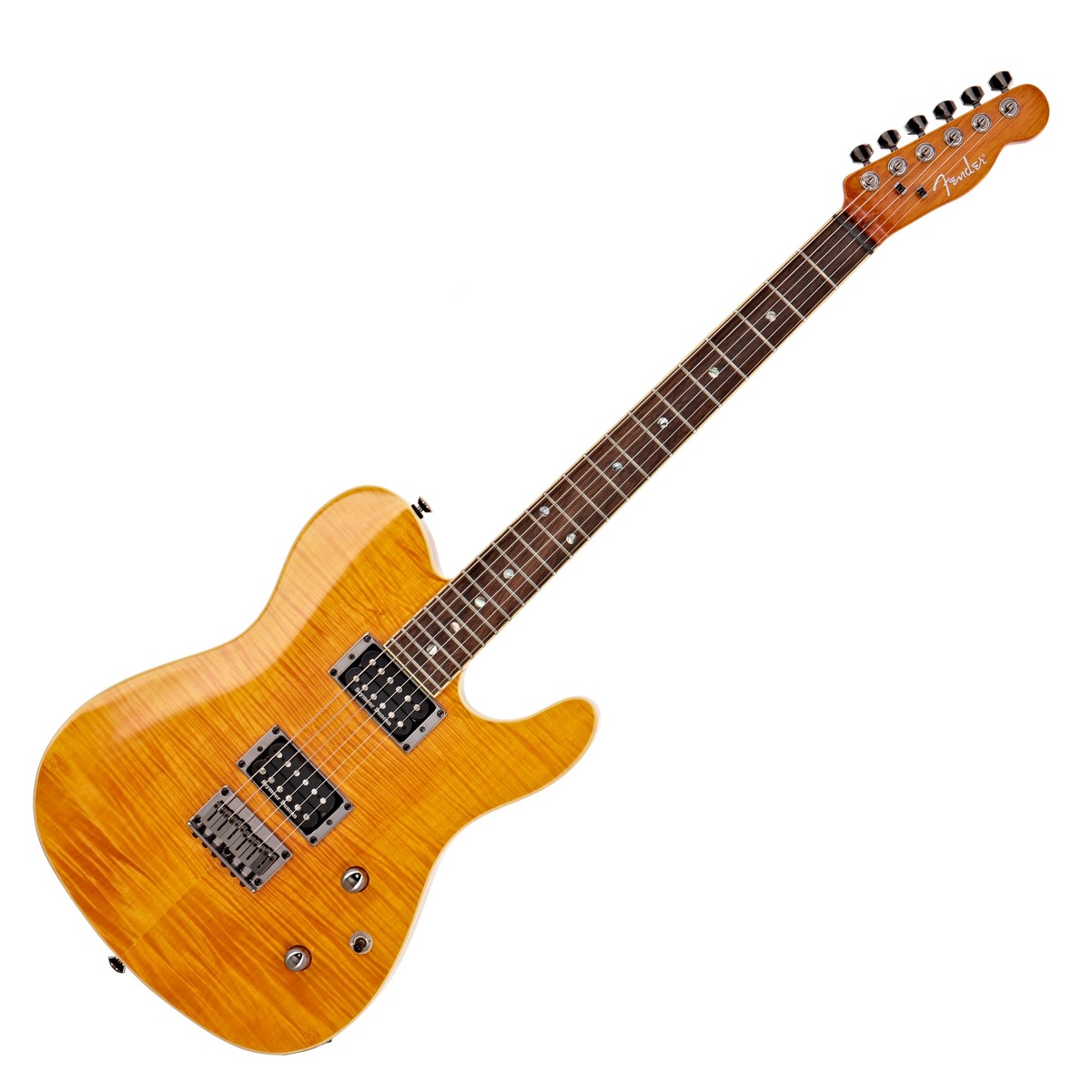 £999.00 ($1,269)
Fender
Fender Special Edition Custom Telecaster FMT HH Amber
 £2,199.00 ($2,793)
Gibson
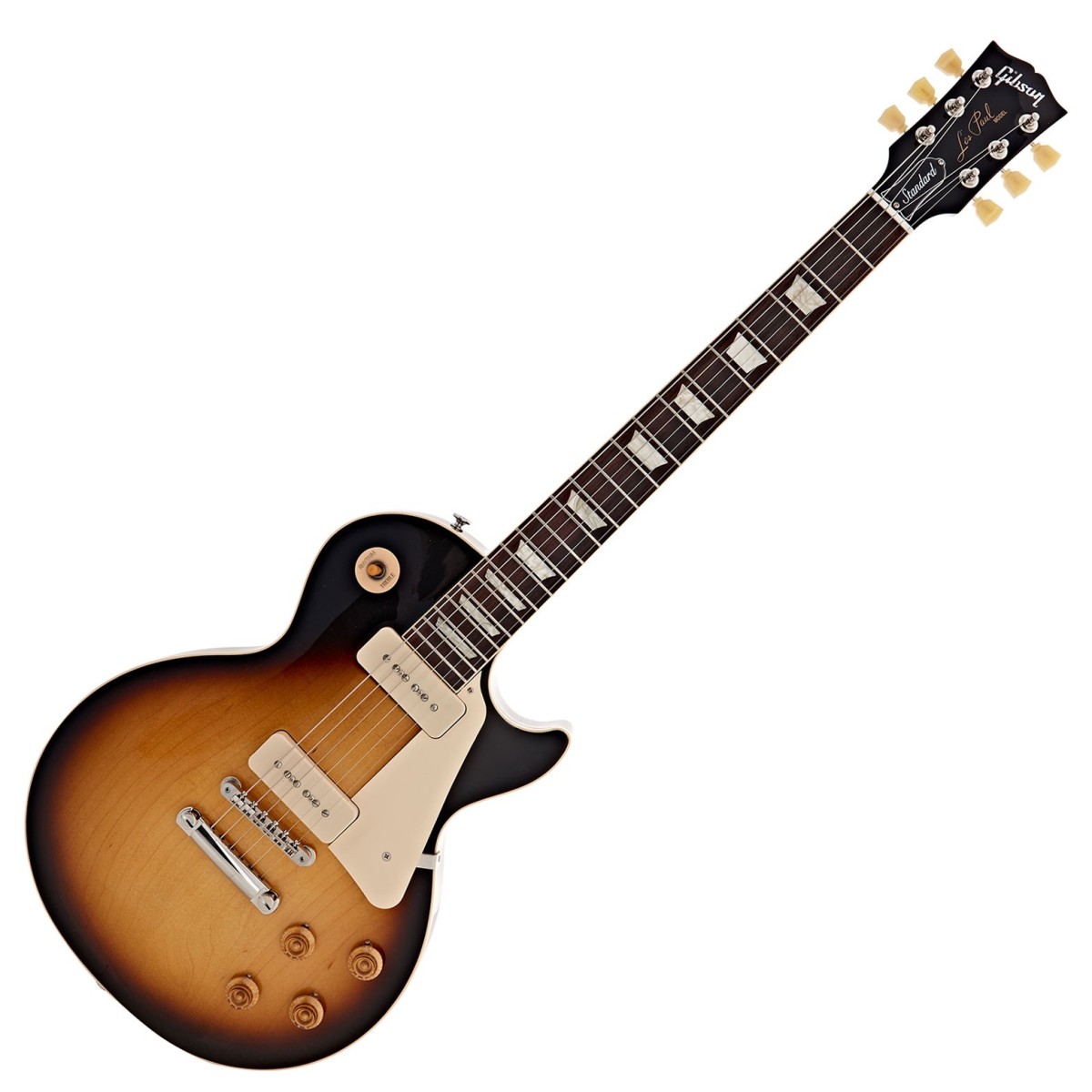
Gibson Les Paul Standard 50s P90 Tobacco Burst #208240297
 £89.99 ($114)
Gear4Music
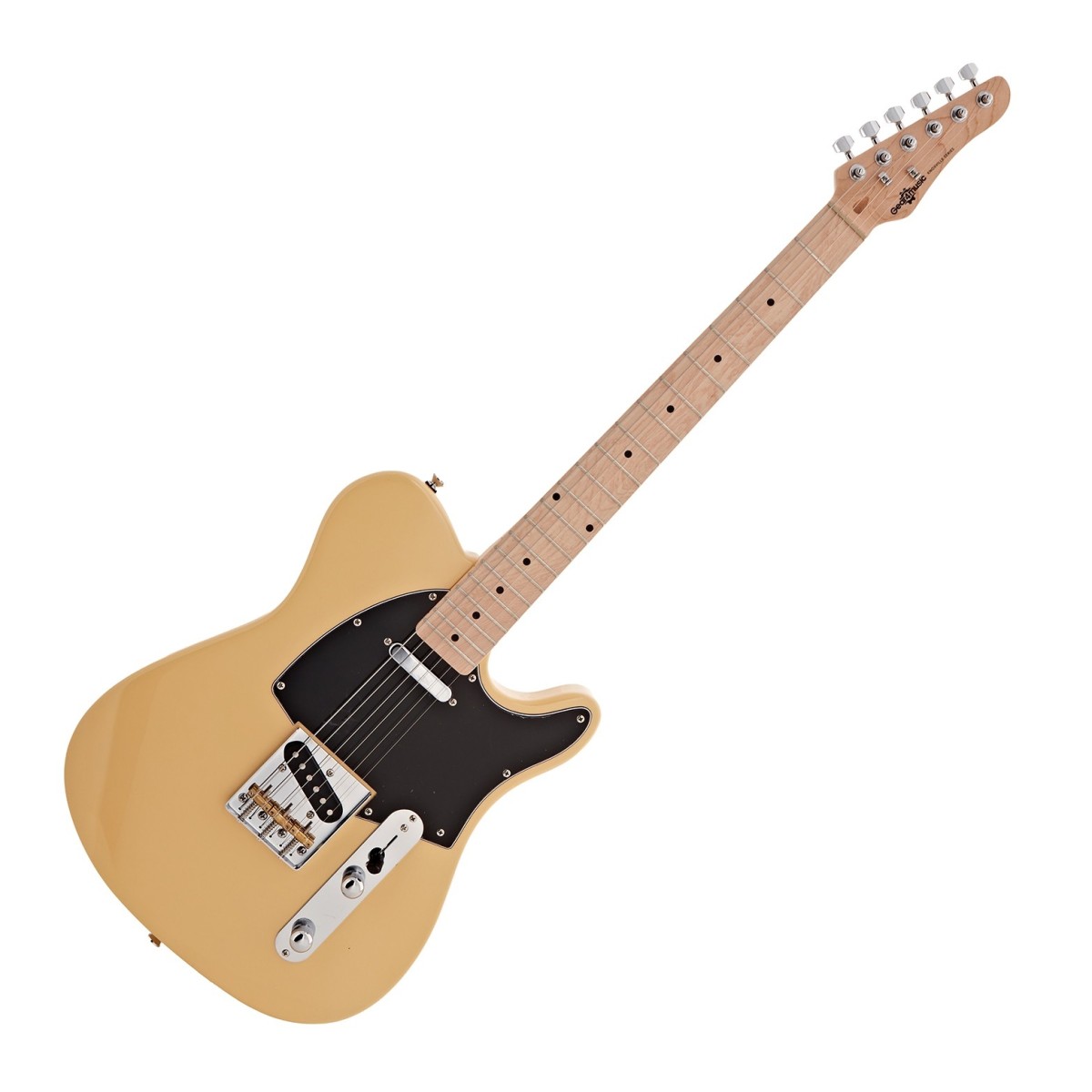
Knoxville Electric Guitar by Gear4music Butterscotch
 £289.03 ($367)
Squier
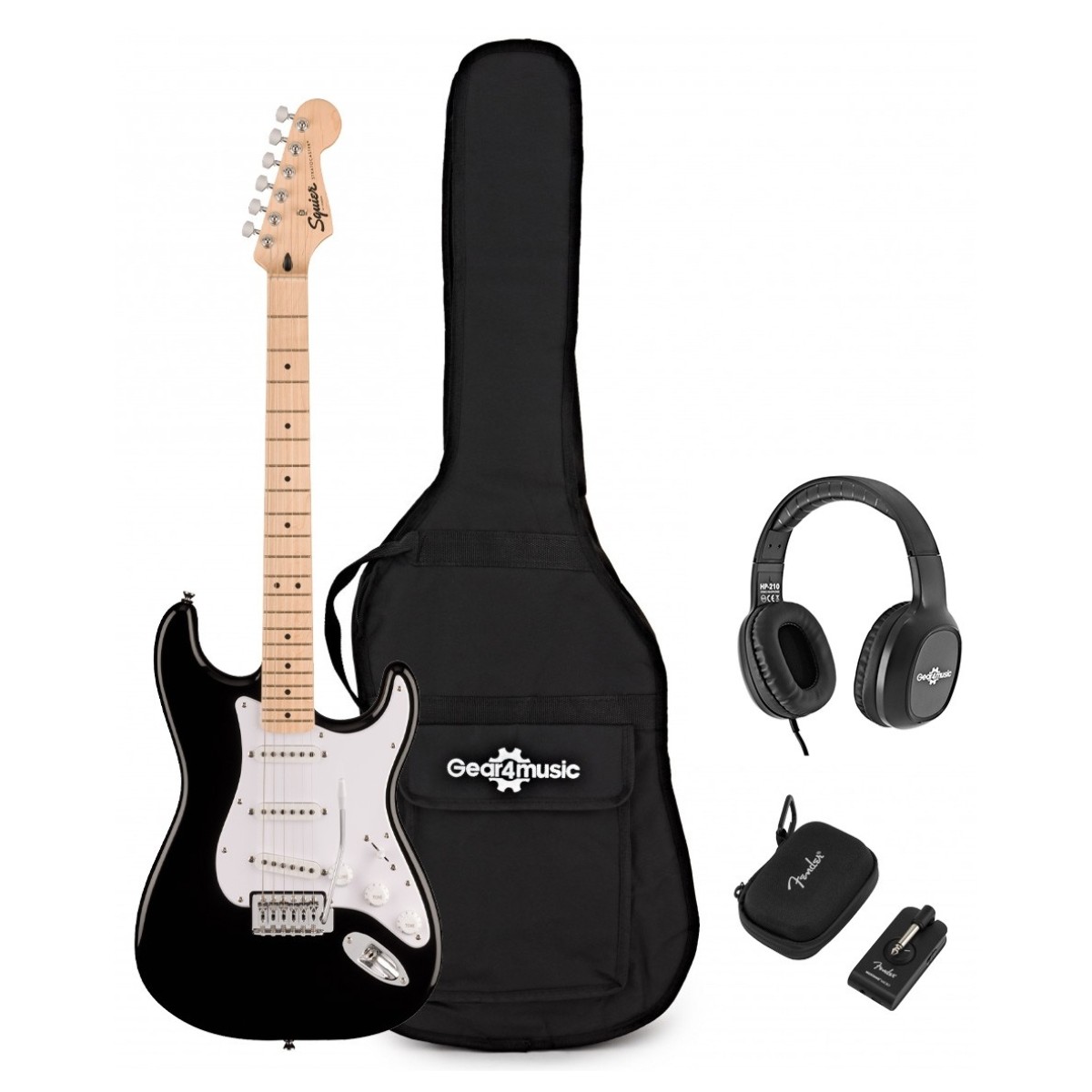
Squier Electric Guitar and Fender Mustang Micro Plus Pack Builder
 £1,599.00 ($2,031)
Fender
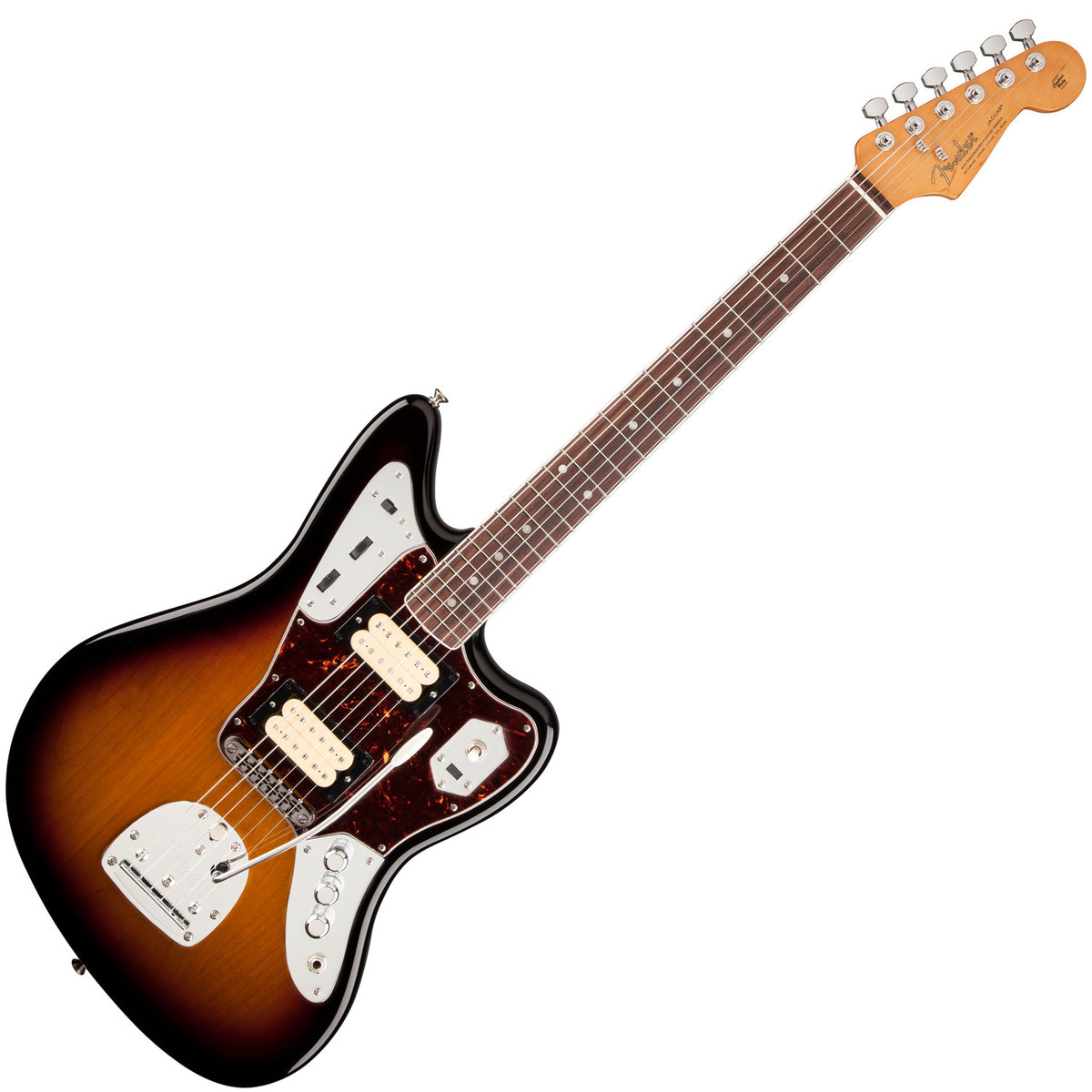
Fender Kurt Cobain Jaguar NOS 3-Tone Sunburst
 £1,499.00 ($1,904)
Fender
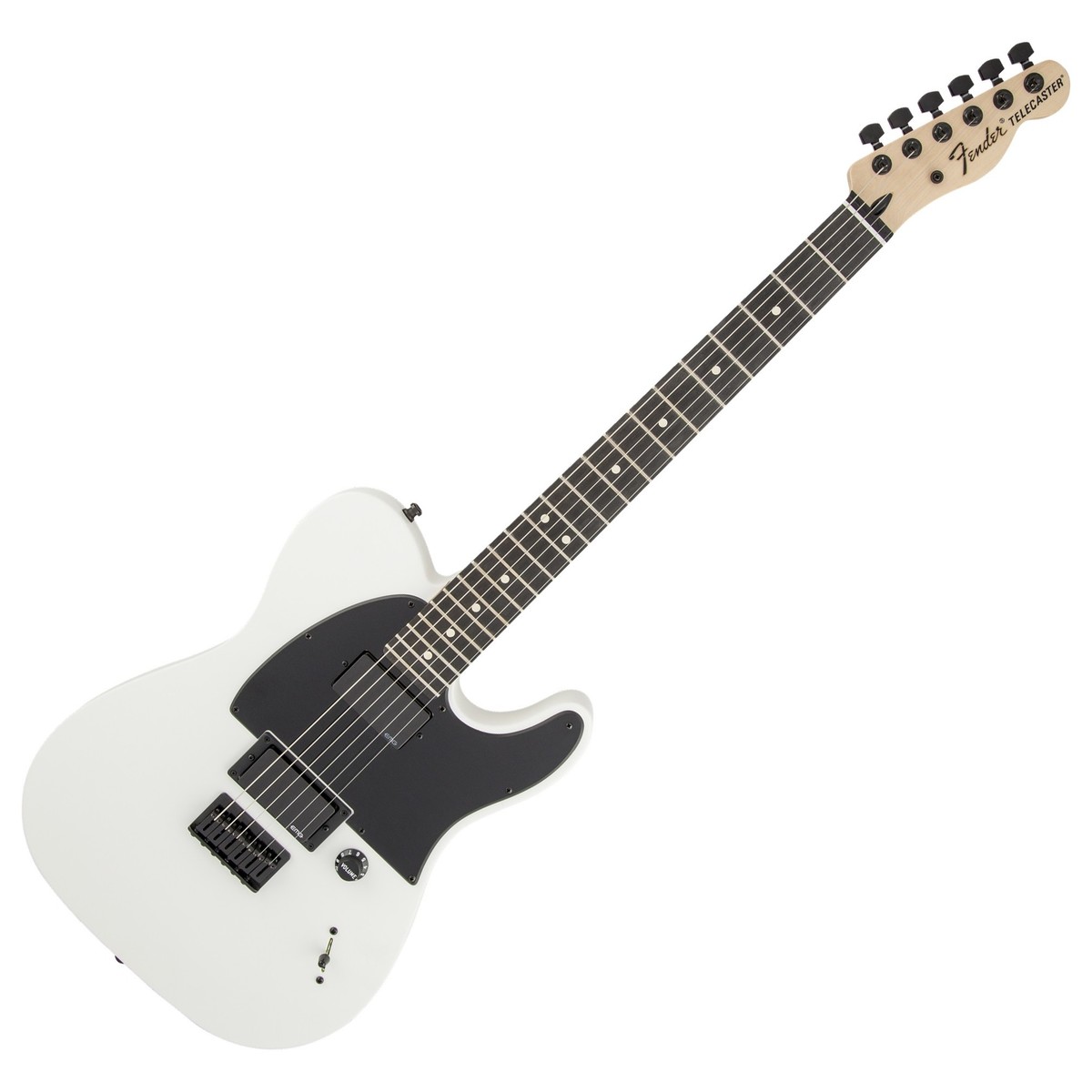
Fender Jim Root Telecaster Flat White
 £2,566.00 ($3,259)
Fender
Fender Eric Clapton Stratocaster Black
Frequently asked questions
- What makes the Double Trouble model different from a regular Standard 60s Les Paul?
- The Double Trouble is a limited-edition model featuring unique 'Double Classic White' pickup bobbins and a hand-sprayed Vintage Cherry Sunburst finish that mimics natural wear. It is limited to only 500 units per finish, giving it a more exclusive status than the standard production line.
- Does this guitar feature weight relief?
- No, this model features a solid, non-weight-relieved mahogany body. This construction is preferred by purists who seek the traditional heavy feel and maximum sustain associated with vintage Les Pauls.
- What is the neck profile of the Gibson Les Paul Standard 60s Double Trouble?
- It features a SlimTaper mahogany neck. This profile is thinner and faster than the rounded 50s profiles, making it popular among players who prefer a modern, agile feel.
- Which pickups are installed in this model?
- The guitar is equipped with hand-wired Burstbucker 61R (neck) and 61T (bridge) pickups. These pickups are notable for their 'Double Classic White' bobbins and are designed to deliver vintage PAF-style tones.
- How many units of this specific model were produced?
- Gibson produced only 500 units of this model in each finish. This limited production run targets collectors and players looking for a standout piece within the Standard 60s range.
- What is the typical price range for this guitar in the UK?
- The typical retail price for the Gibson Les Paul Standard 60s Double Trouble is approximately £2,099. Prices may vary slightly depending on the retailer and specific unit condition.
- What kind of wood is used for the top of the guitar?
- The guitar features an AA figured maple top. This provides a striking visual grain pattern that is enhanced by the hand-sprayed Vintage Cherry Sunburst gloss finish.
- Are the electronics hand-wired?
- Yes, the Burstbucker pickups in this model are hand-wired. This attention to detail in the circuitry is a hallmark of Gibson's higher-tier Standard models to ensure premium signal quality.
- What finish is used on the Double Trouble Les Paul?
- It uses a Vintage Cherry Sunburst gloss finish. Each unit is hand-sprayed, resulting in a unique burst pattern that echoes the look of an instrument that has aged naturally over time.
- How does the sound compare to a 1950s Les Paul reissue?
- While both use humbuckers, the 60s Double Trouble uses Burstbucker 61 pickups which are often perceived as having a bit more 'cut' and brightness compared to the warmer, smoother Alnico II pickups frequently found in 50s-style models.
- Is this guitar suitable for professional touring?
- Yes, the combination of solid mahogany construction, reliable hand-wired electronics, and high-quality hardware makes it a professional-grade instrument used by artists across various genres.
- What notable artists are associated with the Gibson Les Paul brand?
- The Les Paul has been used by a diverse range of legends including Les Paul himself, Duane Allman, Paul McCartney, Dave Grohl, and Tom Morello. Its versatility allows it to fit into everything from blues and jazz to heavy rock.